Vijayaraghavan Ponnuswamy, Arun Arumugaperumal, Vincent Samuel Gnana Prakash, Arasu Mariadhas Valan, Al-Dhabi Naif Abdullah
International Centre for Nanobiotechnology, Centre for Marine Science and Technology, Manonmaniam Sundaranar University Rajakkamangalam, India.
Department of Biotechnology, Kalasalingam University Srivilliputtur, India.
Front Microbiol. 2016 Mar 29;7:361. doi: 10.3389/fmicb.2016.00361. eCollection 2016.
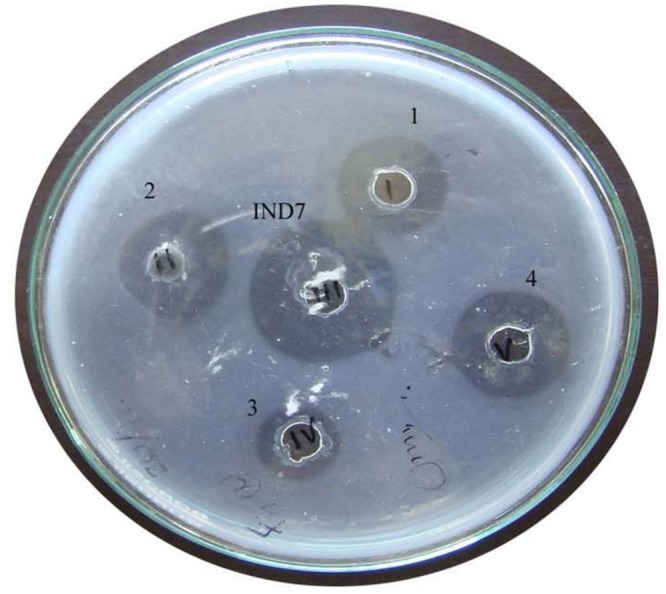
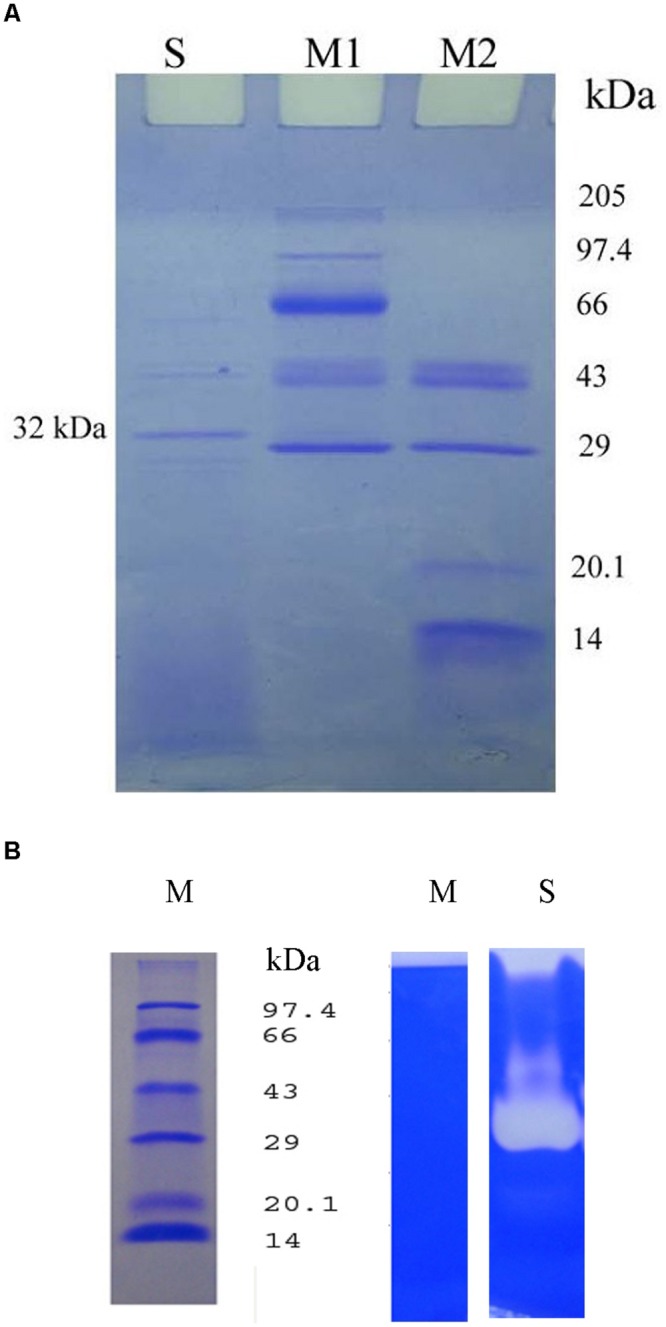
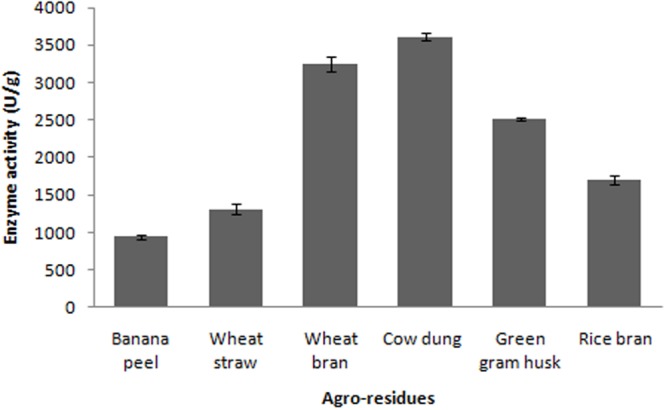
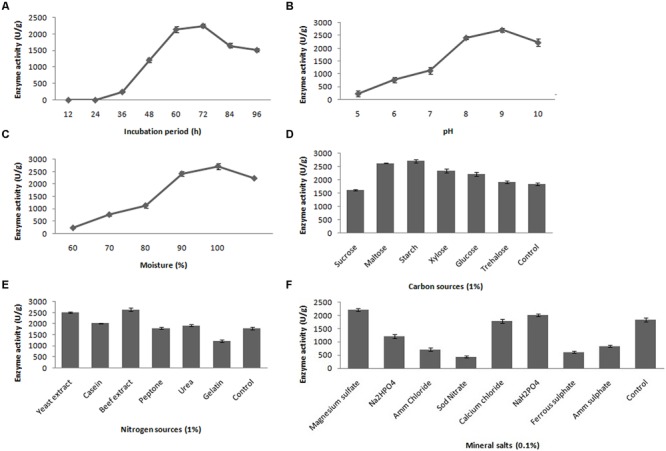
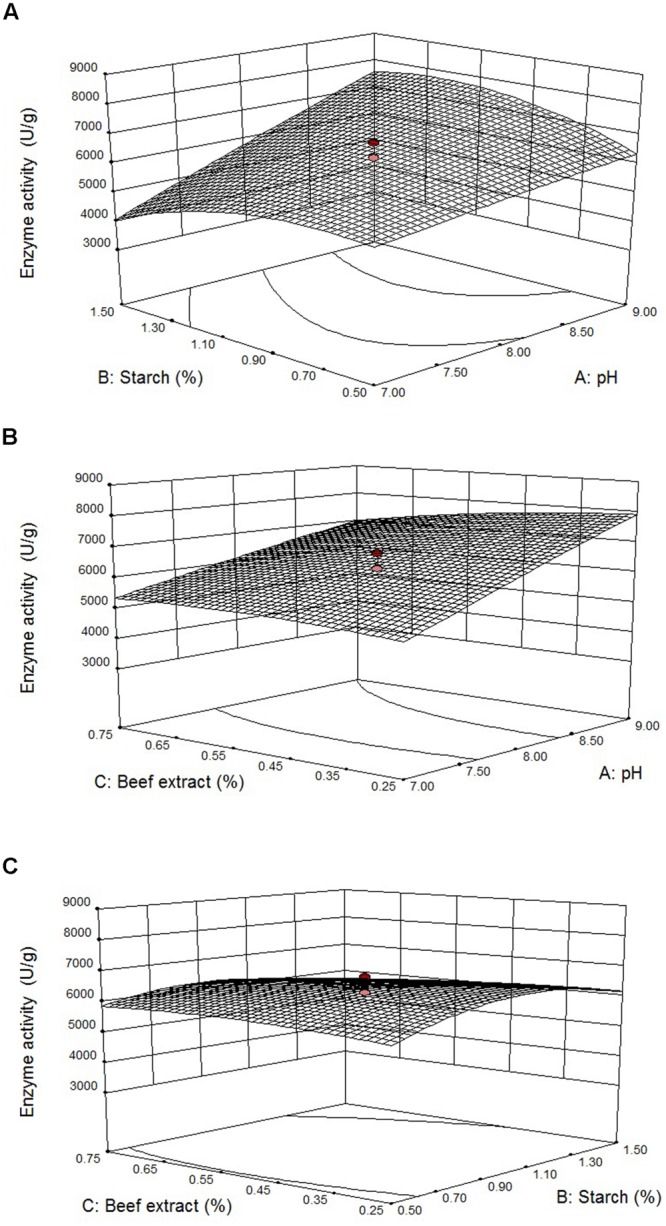
Bacterial fibrinolytic enzymes find great applications to treat and prevent cardiovascular diseases. The novel fibrinolytic enzymes from food grade organisms are useful for thrombolytic therapy. This study reports fibrinolytic enzyme production by Bacillus sp. IND7 in solid-state fermentation (SSF). In this study, cow dung was used as the cheap substrate for the production of fibrinolytic enzyme. Enzyme production was primarily improved by optimizing the nutrient and physical factors by one-variable-at-a-time approach. A statistical method (two-level full factorial design) was applied to investigate the significant variables. Of the different variables, pH, starch, and beef extract significantly influenced on the production of fibrinolytic enzyme (p < 0.05). The optimum levels of these significant factors were further investigated using response surface methodology. The optimum conditions for enhanced fibrinolytic enzyme production were 1.23% (w/w) starch and 0.3% (w/w) beef extract with initial medium pH 9.0. Under the optimized conditions, cow dung substrate yielded 8,345 U/g substrate, and an overall 2.5-fold improvement in fibrinolytic enzyme production was achieved due to its optimization. This is the first report of fibrinolytic enzyme production using cow dung substrate from Bacillus sp. in SSF. The crude enzyme displayed potent activity on zymography and digested goat blood clot completely in in vitro condition.
细菌纤溶酶在治疗和预防心血管疾病方面有广泛应用。来自食品级生物的新型纤溶酶可用于溶栓治疗。本研究报道了芽孢杆菌属IND7在固态发酵(SSF)中产生纤溶酶的情况。在本研究中,牛粪被用作生产纤溶酶的廉价底物。通过一次改变一个变量的方法优化营养和物理因素,初步提高了酶的产量。应用一种统计方法(二级全因子设计)来研究显著变量。在不同变量中,pH值、淀粉和牛肉膏对纤溶酶的产生有显著影响(p < 0.05)。使用响应面法进一步研究了这些显著因素的最佳水平。提高纤溶酶产量的最佳条件是淀粉含量为1.23%(w/w)、牛肉膏含量为0.3%(w/w),初始培养基pH值为9.0。在优化条件下,牛粪底物产生的纤溶酶活性为8345 U/g底物,通过优化,纤溶酶产量总体提高了2.5倍。这是关于芽孢杆菌属在固态发酵中使用牛粪底物生产纤溶酶的首次报道。粗酶在酶谱分析中显示出强大的活性,并在体外条件下完全消化了山羊血凝块。