Kowalczyk Anna, Chyc Marek, Ryszka Przemysław, Latowski Dariusz
Department of Plant Physiology and Biochemistry, Faculty of Biochemistry, Biophysics and Biotechnology, Jagiellonian University, Gronostajowa 7, 30-387, Krakow, Poland.
Department of Environment Protection, Faculty of Geology, Geophysics and Environment Protection, University of Science and Technology, Mickiewicza 30, 30-059, Krakow, Poland.
Environ Sci Pollut Res Int. 2016 Jun;23(11):11349-11356. doi: 10.1007/s11356-016-6563-y. Epub 2016 Apr 13.
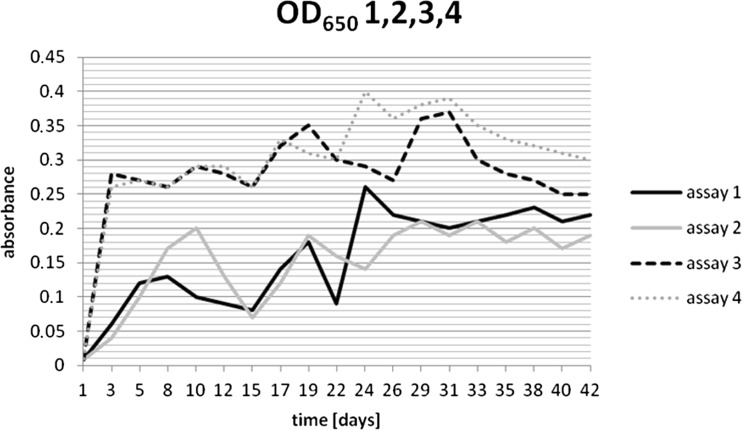
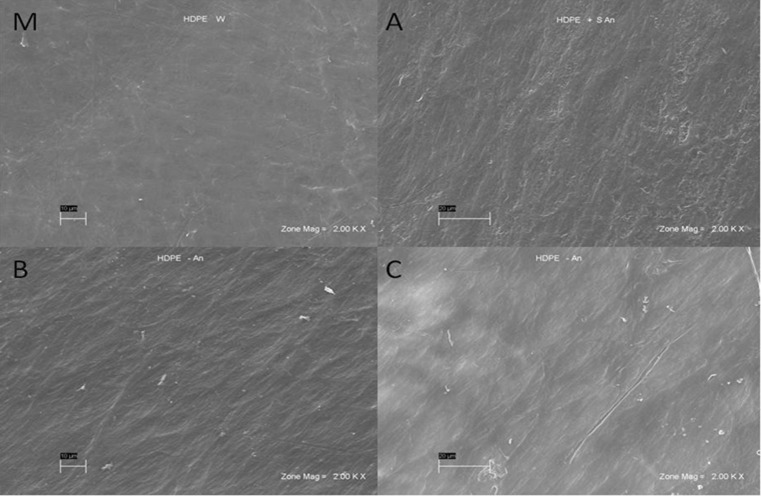
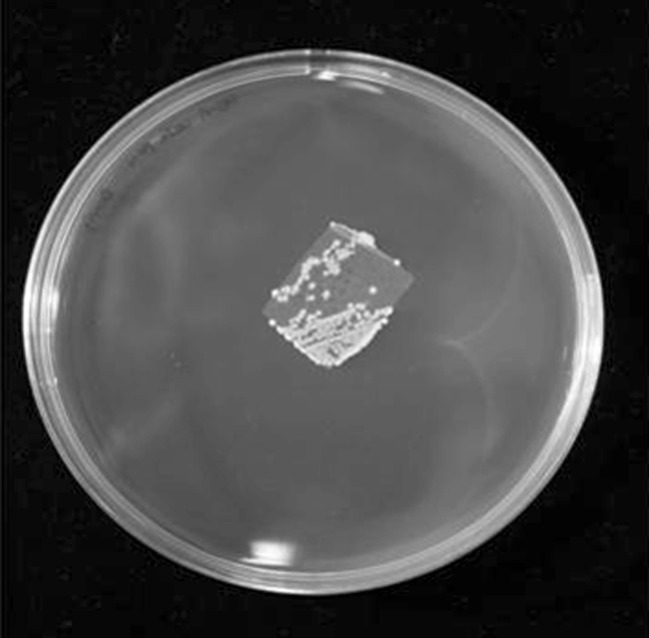
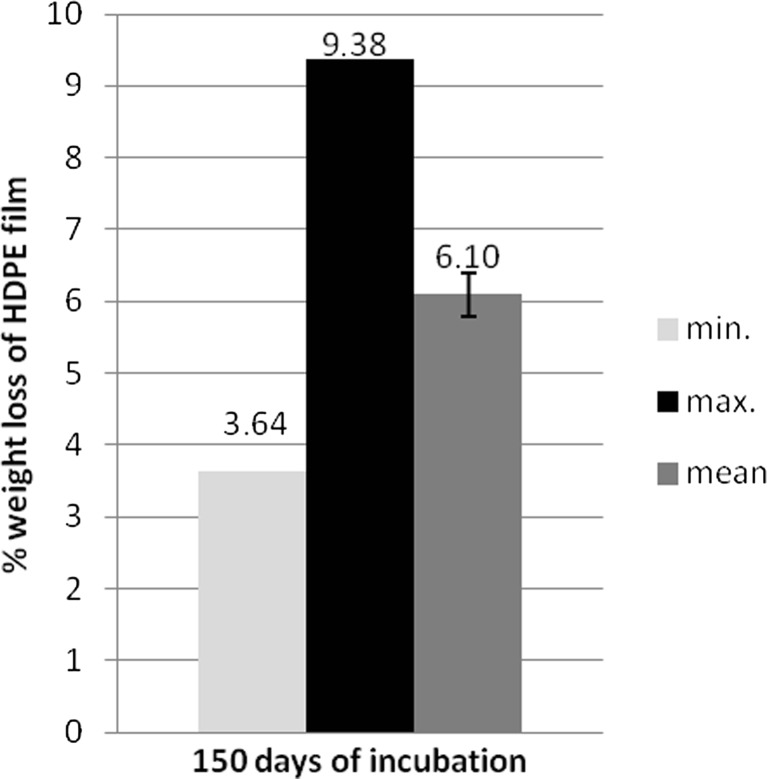
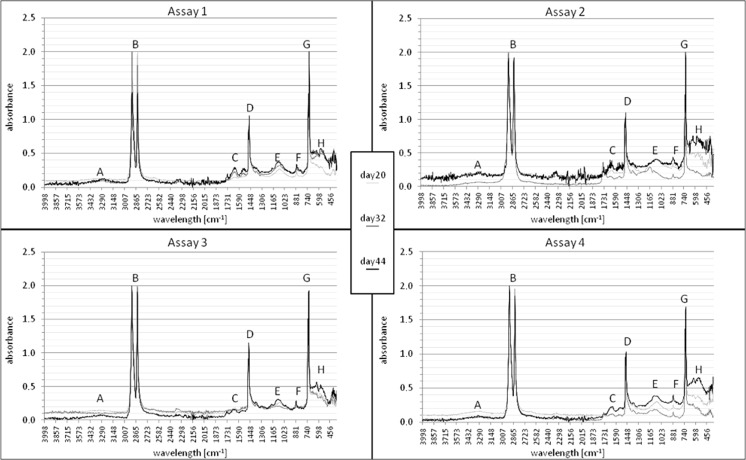
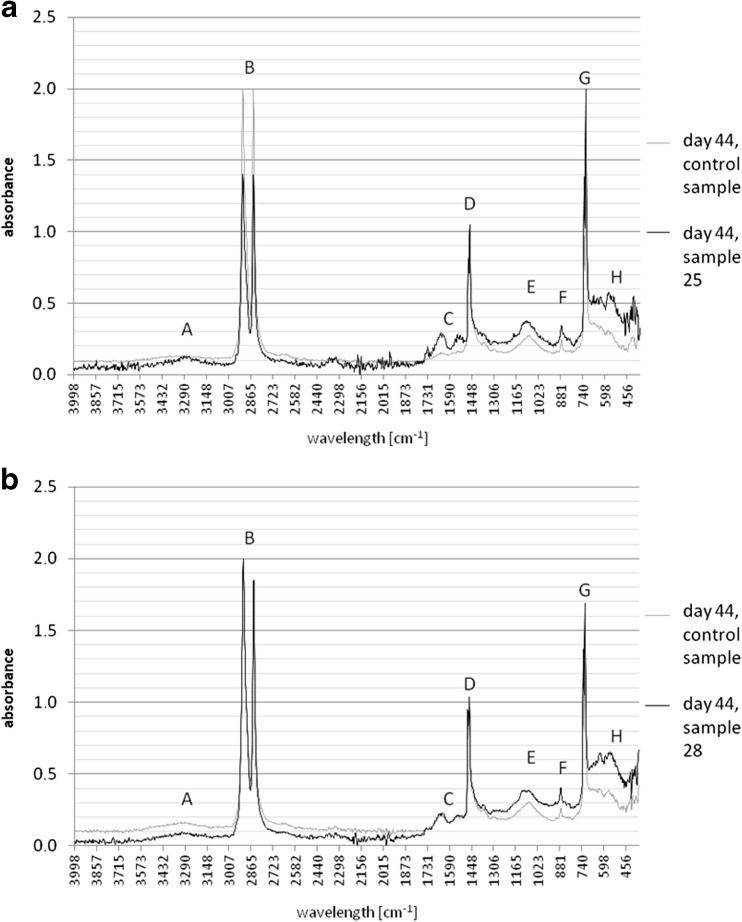
This study presents results of research on isolation new bacteria strain Achromobacter xylosoxidans able to effect on the structure of high-density polyethylene (HDPE), polymer resistant to degradation in environment. New strain of A. xylosoxidans PE-1 was isolated from the soil and identified by analysis of the 16S ribosome subunit coding sequences. The substance to be degraded was HDPE in the form of thin foil films. The foil samples were analyzed with Attenuated Total Reflectance Fourier Transform Infrared Spectroscopy (ATR-FTIR) as well as scanning electron microscope (SEM), and the results revealed degradation of chemical structure of HDPE. About 9 % loss of weight was also detected as a result of A. xylosoxidans PE-1 effect on HDPE foil. On the basis of comparative spectral analysis of the raw material before the bacteria treatment and the spectrum from a spectra database, it was assumed that the HDPE was the only source of carbon and energy for the microorganisms. No fillers or other additives used in the plastic processing were observed in HDPE before experiments. This is the first communication showing that A. xylosoxidans is able to modify chemical structure of HDPE, what was observed both on FTIR, in mass reduction of HDPE and SEM analysis. We also observed quite good growth of the bacteria also when the HDPE was the sole carbon source in the medium. These results prove that A. xylosoxidans is an organism worth applying in future HDPE biodegradation studies.
本研究展示了对能够影响高密度聚乙烯(HDPE)结构的新型木糖氧化无色杆菌菌株的研究成果,HDPE是一种在环境中抗降解的聚合物。木糖氧化无色杆菌PE - 1新菌株从土壤中分离出来,并通过对16S核糖体亚基编码序列的分析进行鉴定。待降解的物质是薄箔膜形式的HDPE。箔片样品用衰减全反射傅里叶变换红外光谱(ATR - FTIR)以及扫描电子显微镜(SEM)进行分析,结果显示HDPE的化学结构发生了降解。由于木糖氧化无色杆菌PE - 1对HDPE箔片的作用,还检测到约9%的重量损失。基于细菌处理前原材料的光谱与光谱数据库中的光谱进行比较分析,推测HDPE是微生物唯一的碳源和能源。实验前在HDPE中未观察到塑料加工中使用的填料或其他添加剂。这是首次表明木糖氧化无色杆菌能够改变HDPE化学结构的报道,这在FTIR、HDPE质量减少以及SEM分析中均有观察到。我们还观察到当HDPE是培养基中唯一碳源时,该细菌生长良好。这些结果证明木糖氧化无色杆菌是一种值得在未来HDPE生物降解研究中应用的微生物。