Andam Cheryl P, Doroghazi James R, Campbell Ashley N, Kelly Peter J, Choudoir Mallory J, Buckley Daniel H
School of Integrative Plant Science, Cornell University, Ithaca, New York, USA.
School of Integrative Plant Science, Cornell University, Ithaca, New York, USA
mBio. 2016 Apr 12;7(2):e02200-15. doi: 10.1128/mBio.02200-15.
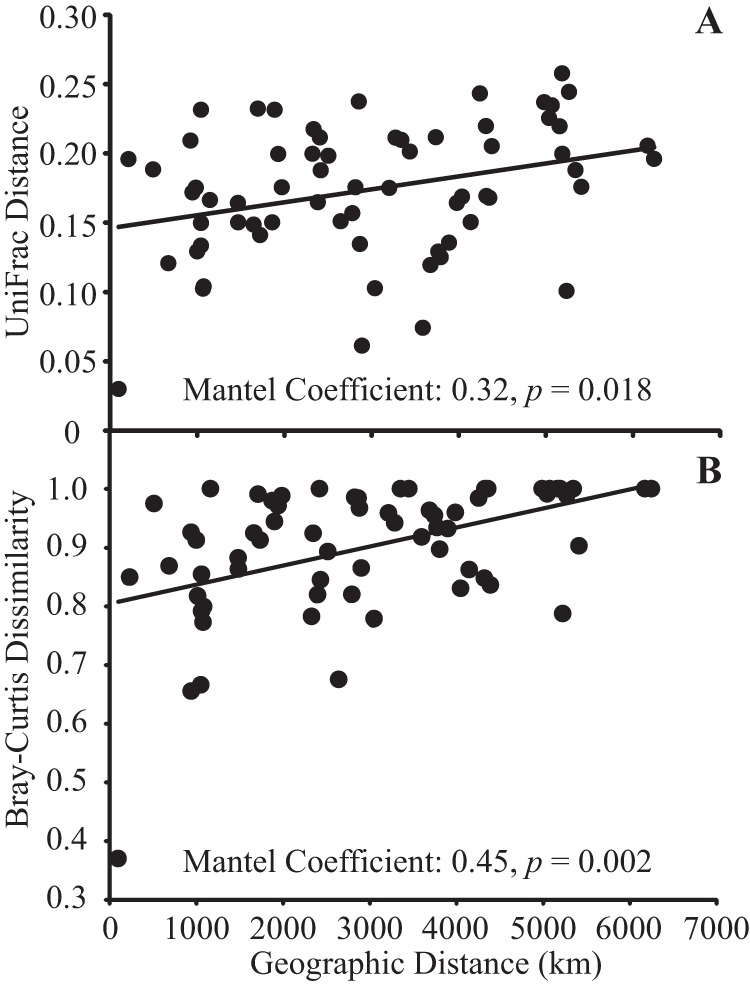
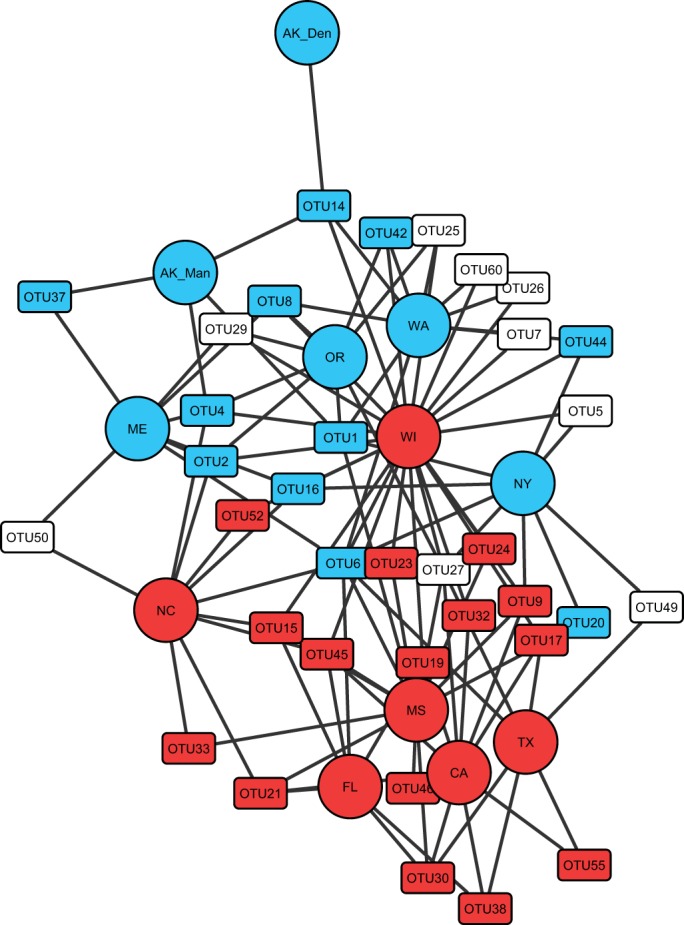
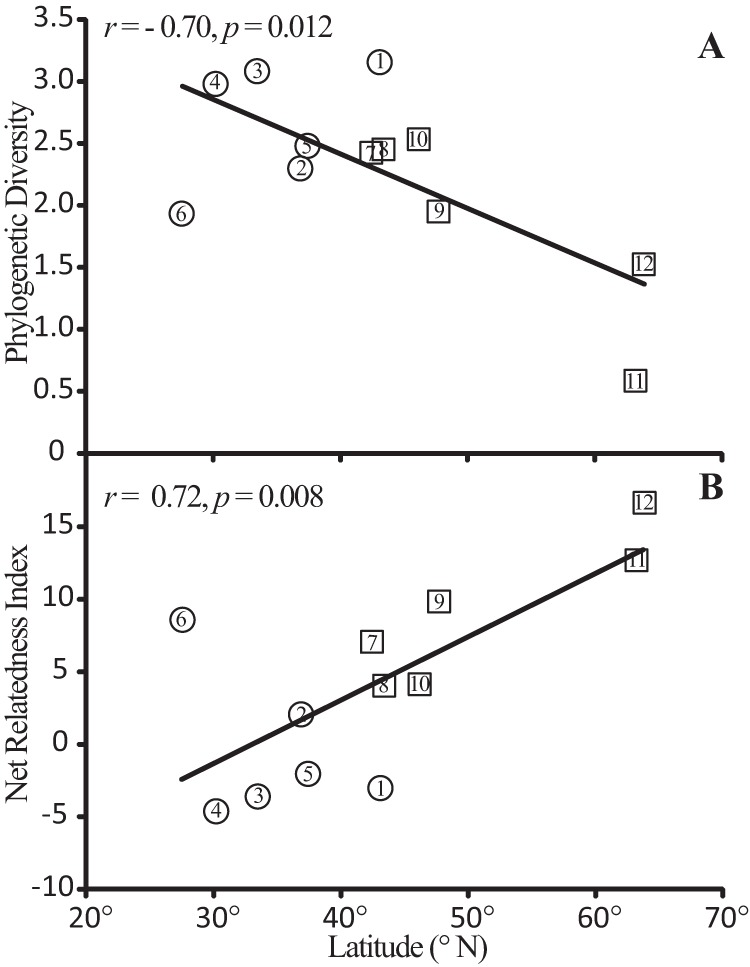
We show that Streptomyces biogeography in soils across North America is influenced by the regional diversification of microorganisms due to dispersal limitation and genetic drift.Streptomyces spp. form desiccation-resistant spores, which can be dispersed on the wind, allowing for a strong test of whether dispersal limitation governs patterns of terrestrial microbial diversity. We employed an approach that has high sensitivity for determining the effects of genetic drift. Specifically, we examined the genetic diversity and phylogeography of physiologically similar Streptomyces strains isolated from geographically distributed yet ecologically similar habitats. We found that Streptomyces beta diversity scales with geographic distance and both beta diversity and phylogenetic diversity manifest in a latitudinal diversity gradient. This pattern of Streptomyces biogeography resembles patterns seen for diverse species of plants and animals, and we therefore evaluated these data in the context of ecological and evolutionary hypotheses proposed to explain latitudinal diversity gradients. The data are consistent with the hypothesis that niche conservatism limits dispersal, and historical patterns of glaciation have limited the time for speciation in higher-latitude sites. Most notably, higher-latitude sites have lower phylogenetic diversity, higher phylogenetic clustering, and evidence of range expansion from lower latitudes. In addition, patterns of beta diversity partition with respect to the glacial history of sites. Hence, the data support the hypothesis that extant patterns of Streptomyces biogeography have been driven by historical patterns of glaciation and are the result of demographic range expansion, dispersal limitation, and regional diversification due to drift.
Biogeographic patterns provide insight into the evolutionary and ecological processes that govern biodiversity. However, the evolutionary and ecological processes that govern terrestrial microbial diversity remain poorly characterized. We evaluated the biogeography of the genus Streptomyces to show that the diversity of terrestrial bacteria is governed by many of the same processes that govern the diversity of many plant and animal species. While bacteria of the genus Streptomyces are a preeminent source of antibiotics, their evolutionary history, biogeography, and biodiversity remain poorly characterized. The observations we describe provide insight into the drivers of Streptomyces biodiversity and the processes that underlie microbial diversification in terrestrial habitats.
我们表明,由于扩散限制和遗传漂变,北美土壤中的链霉菌生物地理学受到微生物区域多样化的影响。链霉菌属形成抗干燥孢子,这些孢子可以随风扩散,这使得我们能够有力地检验扩散限制是否控制陆地微生物多样性模式。我们采用了一种对确定遗传漂变影响具有高灵敏度的方法。具体而言,我们研究了从地理分布但生态相似的栖息地分离出的生理相似的链霉菌菌株的遗传多样性和系统地理学。我们发现链霉菌的β多样性随地理距离而变化,并且β多样性和系统发育多样性都呈现出纬度多样性梯度。这种链霉菌生物地理学模式类似于在多种动植物物种中观察到的模式,因此我们在为解释纬度多样性梯度而提出的生态和进化假设的背景下评估了这些数据。这些数据与生态位保守性限制扩散以及冰川作用的历史模式限制了高纬度地区物种形成时间的假设一致。最值得注意的是,高纬度地区的系统发育多样性较低,系统发育聚类较高,并且有从低纬度地区范围扩张的证据。此外,β多样性模式根据地点的冰川历史进行划分。因此,这些数据支持这样的假设,即现存的链霉菌生物地理学模式是由冰川作用的历史模式驱动的,并且是人口范围扩张、扩散限制以及由于漂变导致的区域多样化的结果。
生物地理模式为理解控制生物多样性的进化和生态过程提供了见解。然而,控制陆地微生物多样性的进化和生态过程仍然知之甚少。我们评估了链霉菌属的生物地理学,以表明陆地细菌的多样性受许多与控制许多动植物物种多样性相同的过程支配。虽然链霉菌属细菌是抗生素的主要来源,但其进化历史、生物地理学和生物多样性仍然知之甚少。我们描述的观察结果为链霉菌生物多样性的驱动因素以及陆地栖息地微生物多样化的潜在过程提供了见解。