Salgado Vanessa R, Queiroz Artur T L de, Sanabani Sabri S, Oliveira Camila I de, Carvalho Edgar M, Costa Jackson M L, Barral-Netto Manoel, Barral Aldina
Centro de Pesquisas Gonçalo Moniz, Fundação Oswaldo Cruz, Salvador, BA, Brasil.
Hospital das Clínicas, Faculdade de Medicina, Universidade de São Paulo, São Paulo, SP, Brasil.
Mem Inst Oswaldo Cruz. 2016 Apr;111(4):241-51. doi: 10.1590/0074-02760150436.
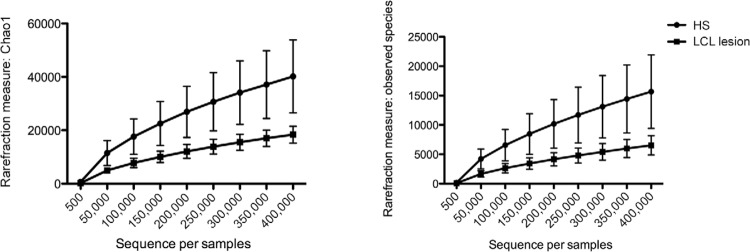
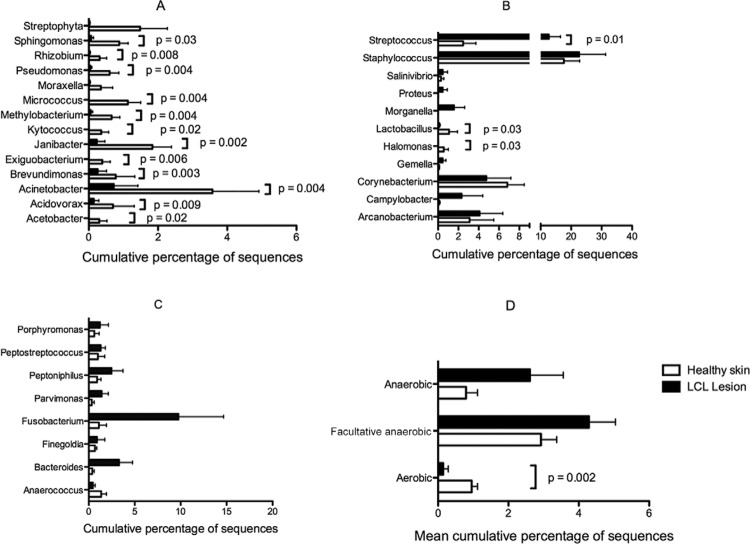
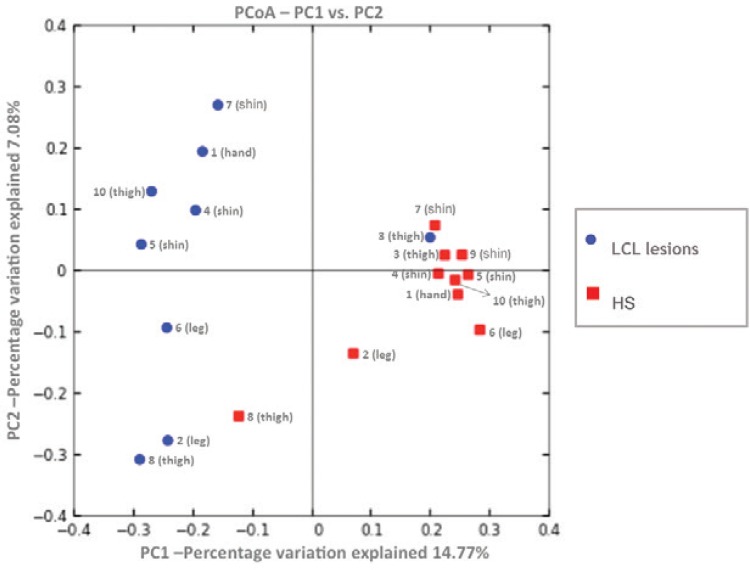
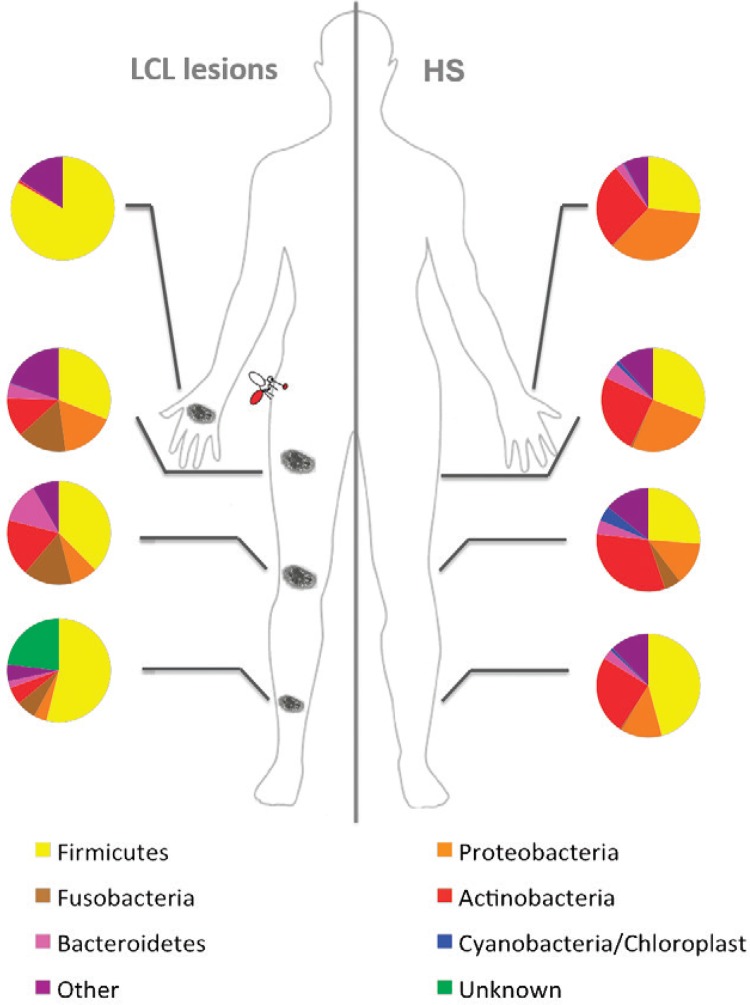
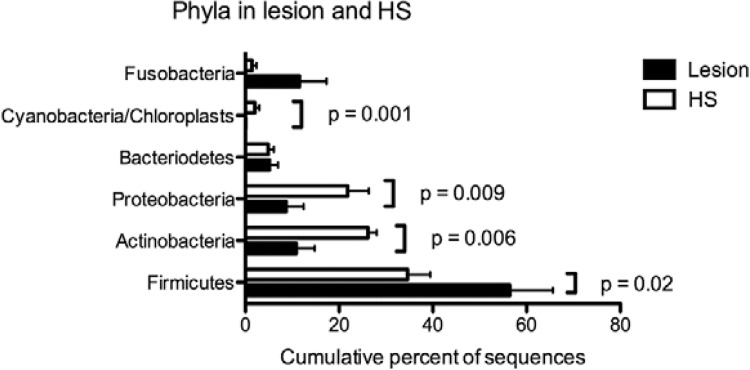
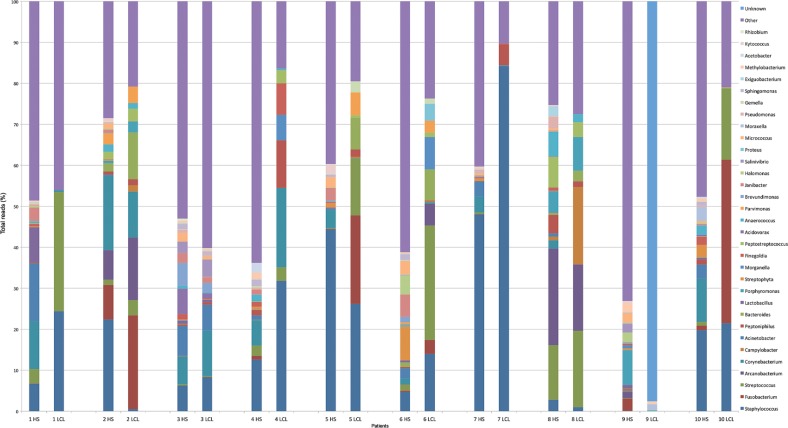
Localised cutaneous leishmaniasis (LCL) is the most common form of cutaneous leishmaniasis characterised by single or multiple painless chronic ulcers, which commonly presents with secondary bacterial infection. Previous culture-based studies have found staphylococci, streptococci, and opportunistic pathogenic bacteria in LCL lesions, but there have been no comparisons to normal skin. In addition, this approach has strong bias for determining bacterial composition. The present study tested the hypothesis that bacterial communities in LCL lesions differ from those found on healthy skin (HS). Using a high throughput amplicon sequencing approach, which allows for better populational evaluation due to greater depth coverage and the Quantitative Insights Into Microbial Ecology pipeline, we compared the microbiological signature of LCL lesions with that of contralateral HS from the same individuals.Streptococcus, Staphylococcus,Fusobacterium and other strict or facultative anaerobic bacteria composed the LCL microbiome. Aerobic and facultative anaerobic bacteria found in HS, including environmental bacteria, were significantly decreased in LCL lesions (p < 0.01). This paper presents the first comprehensive microbiome identification from LCL lesions with next generation sequence methodology and shows a marked reduction of bacterial diversity in the lesions.
局限性皮肤利什曼病(LCL)是皮肤利什曼病最常见的形式,其特征为单个或多个无痛性慢性溃疡,常伴有继发性细菌感染。以往基于培养的研究在LCL病变中发现了葡萄球菌、链球菌和机会致病菌,但未与正常皮肤进行比较。此外,这种方法在确定细菌组成方面存在很大偏差。本研究检验了LCL病变中的细菌群落与健康皮肤(HS)中的细菌群落不同这一假设。使用高通量扩增子测序方法,由于其具有更高的深度覆盖,能够进行更好的群体评估,并借助微生物生态学定量洞察流程,我们比较了LCL病变与同一患者对侧HS的微生物特征。链球菌、葡萄球菌、梭杆菌和其他严格或兼性厌氧菌构成了LCL微生物群。在HS中发现的需氧菌和兼性厌氧菌,包括环境细菌,在LCL病变中显著减少(p < 0.01)。本文首次采用下一代测序方法对LCL病变进行了全面的微生物群鉴定,并显示病变中细菌多样性显著降低。