Cerritelli Serena, Hirschberg Stefan, Hill Rob, Balthasar Nina, Pickering Anthony E
School of Physiology, Pharmacology & Neuroscience, Biomedical Sciences Building, University of Bristol, Bristol, BS8 1TD, United Kingdom.
Department of Anaesthesia, University Hospitals Bristol, Bristol, BS2 8HW, United Kingdom.
PLoS One. 2016 Apr 14;11(4):e0153187. doi: 10.1371/journal.pone.0153187. eCollection 2016.
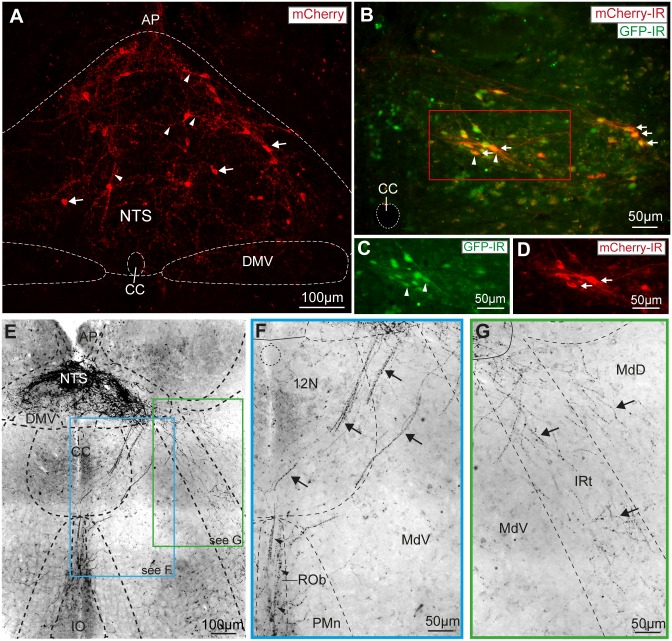
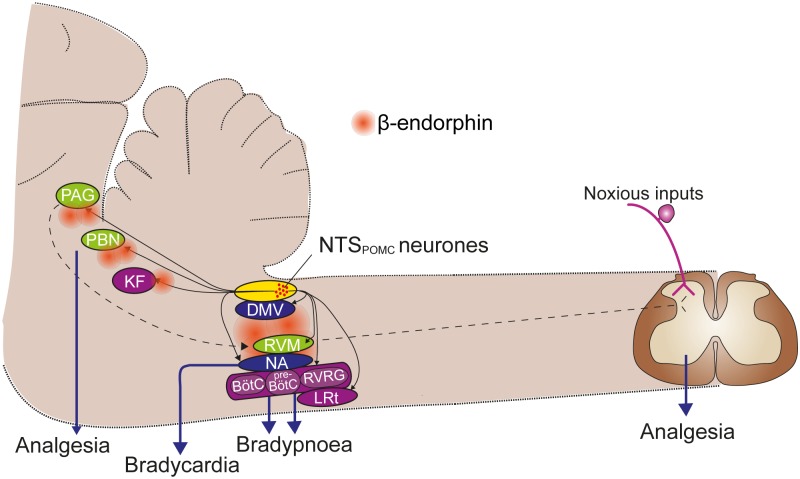
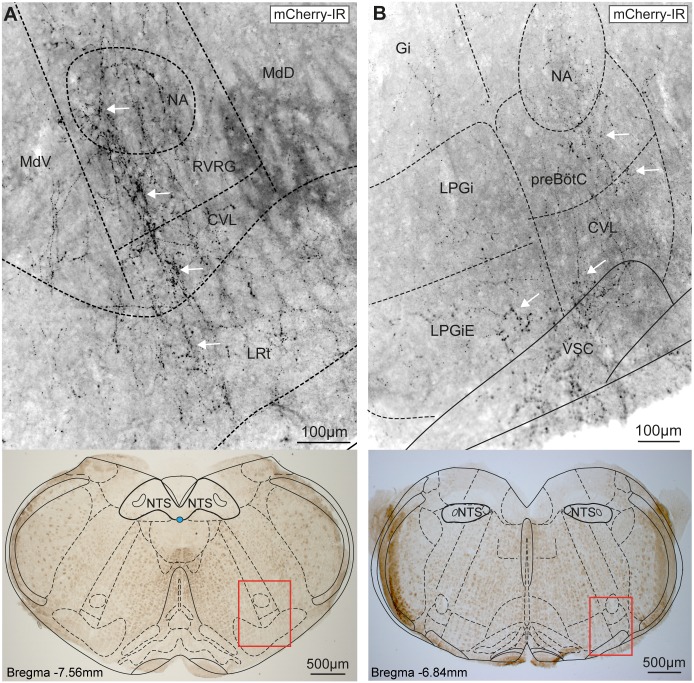
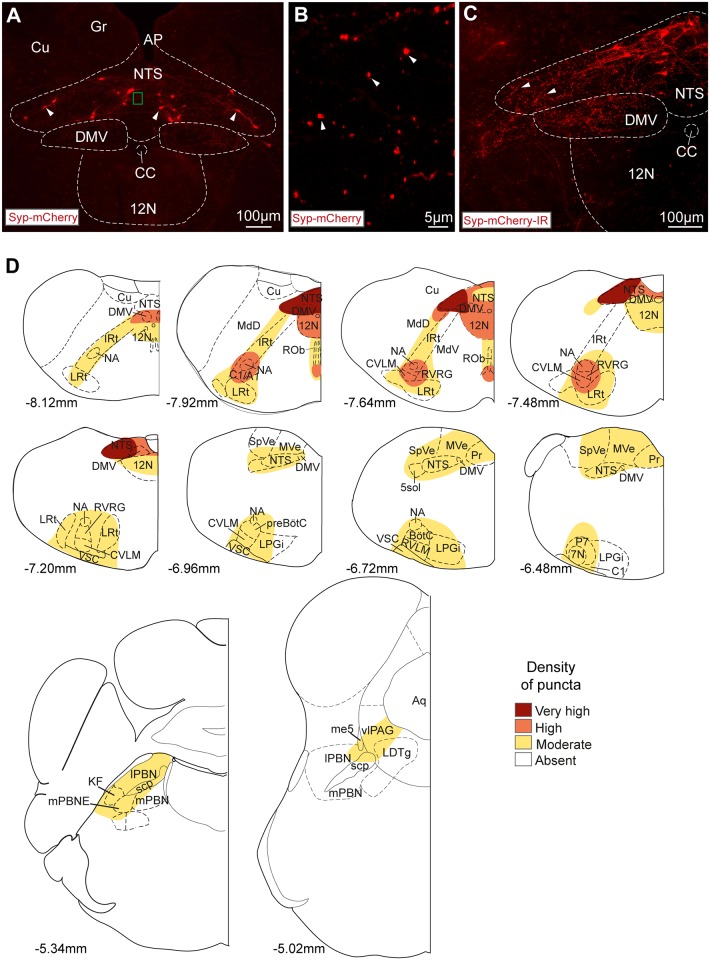
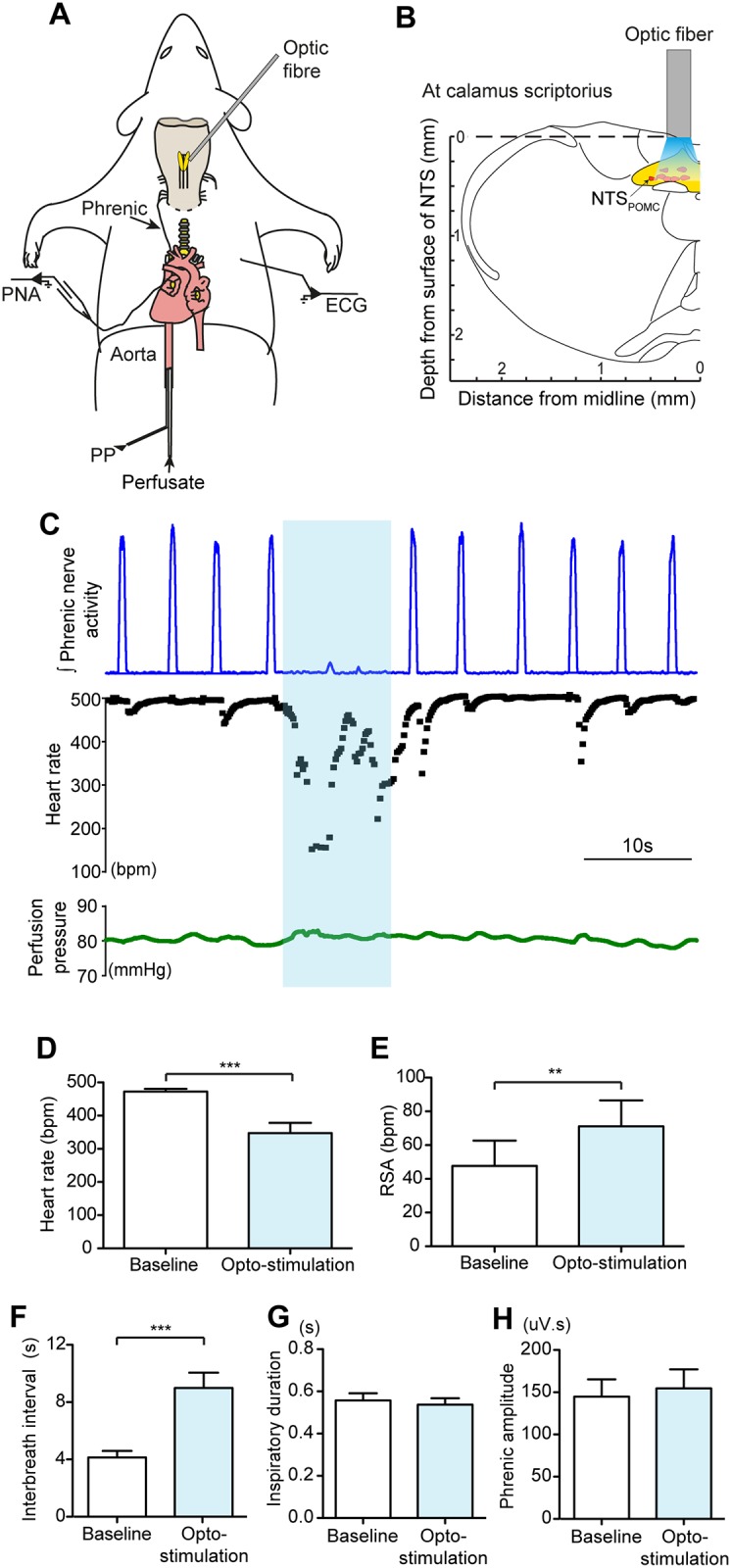
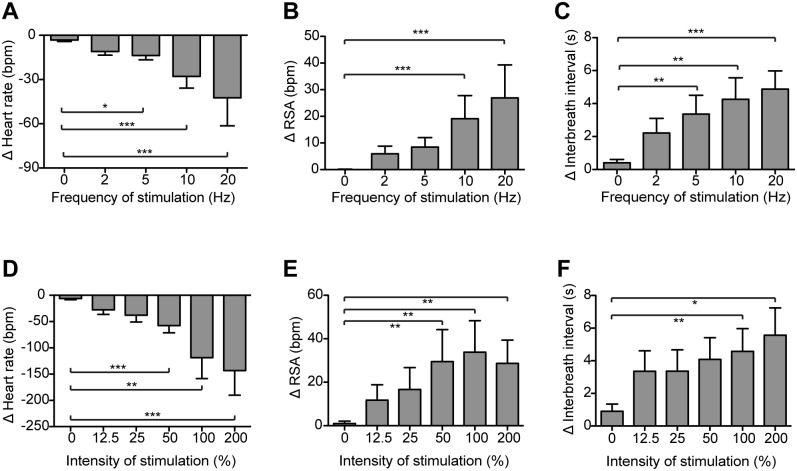
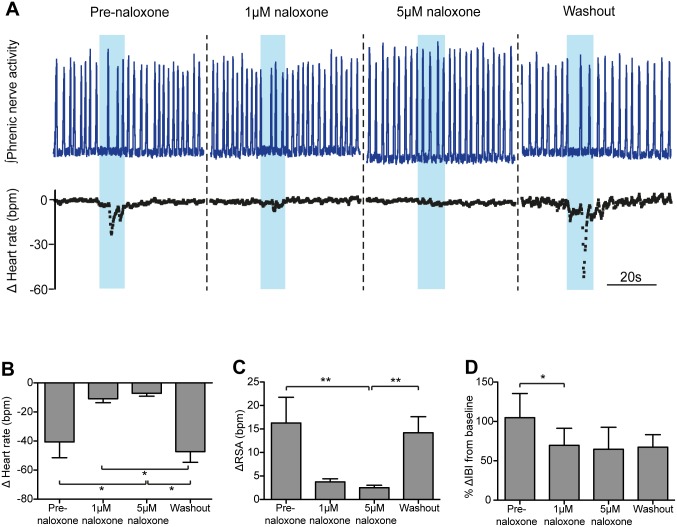
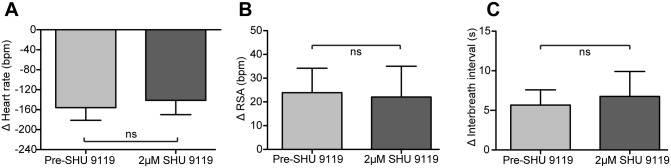
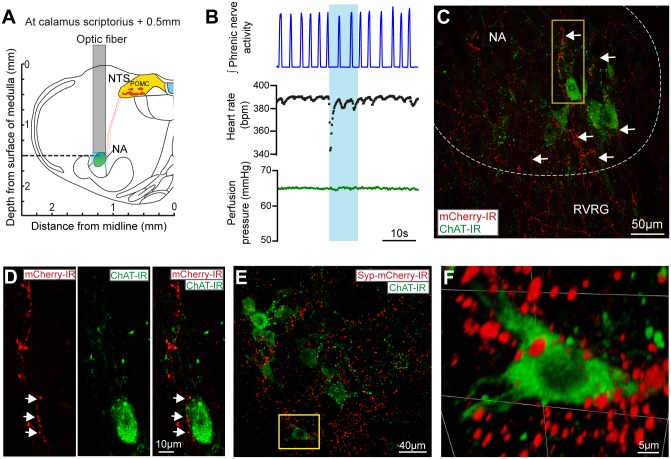
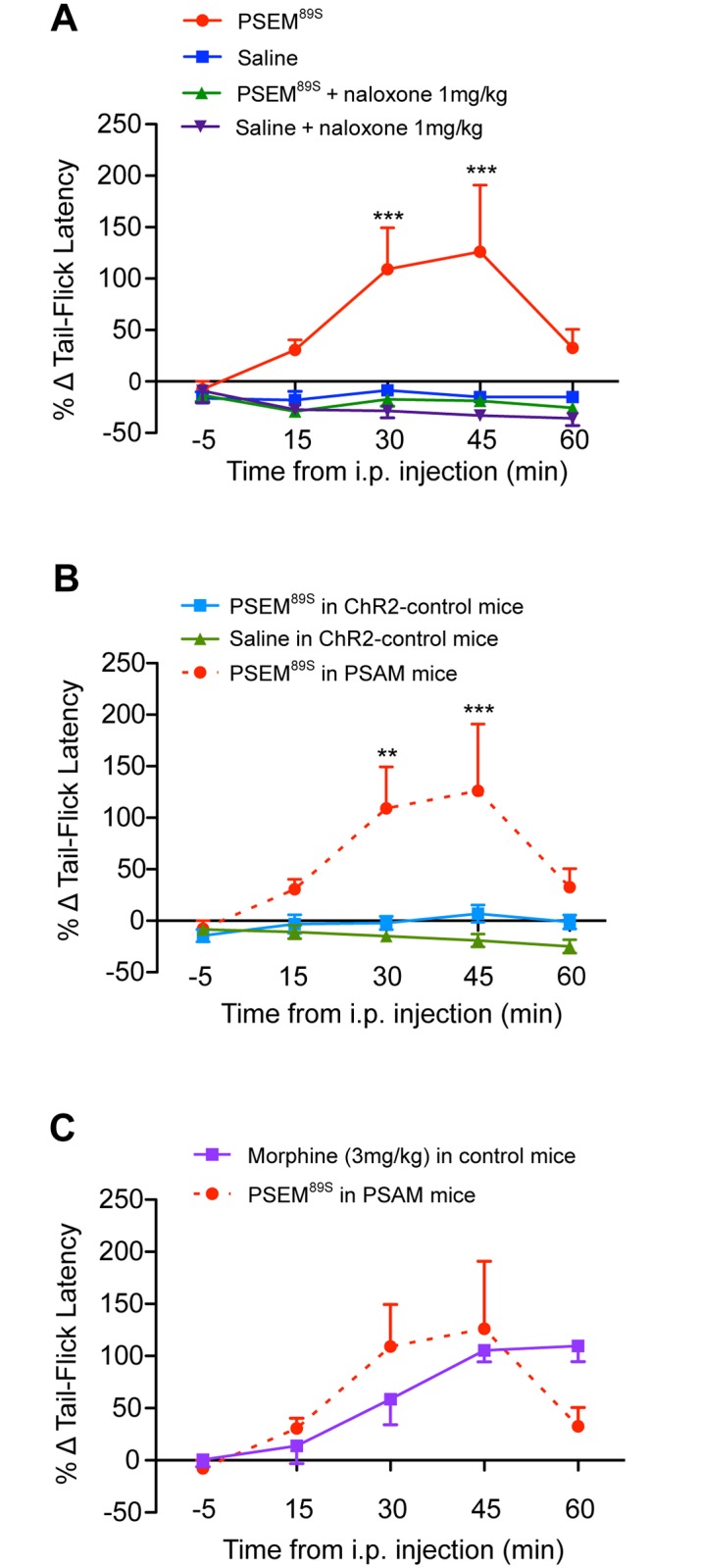
Opioids are widely used medicinally as analgesics and abused for hedonic effects, actions that are each complicated by substantial risks such as cardiorespiratory depression. These drugs mimic peptides such as β-endorphin, which has a key role in endogenous analgesia. The β-endorphin in the central nervous system originates from pro-opiomelanocortin (POMC) neurons in the arcuate nucleus and nucleus of the solitary tract (NTS). Relatively little is known about the NTSPOMC neurons but their position within the sensory nucleus of the vagus led us to test the hypothesis that they play a role in modulation of cardiorespiratory and nociceptive control. The NTSPOMC neurons were targeted using viral vectors in a POMC-Cre mouse line to express either opto-genetic (channelrhodopsin-2) or chemo-genetic (Pharmacologically Selective Actuator Modules). Opto-genetic activation of the NTSPOMC neurons in the working heart brainstem preparation (n = 21) evoked a reliable, titratable and time-locked respiratory inhibition (120% increase in inter-breath interval) with a bradycardia (125±26 beats per minute) and augmented respiratory sinus arrhythmia (58% increase). Chemo-genetic activation of NTSPOMC neurons in vivo was anti-nociceptive in the tail flick assay (latency increased by 126±65%, p<0.001; n = 8). All effects of NTSPOMC activation were blocked by systemic naloxone (opioid antagonist) but not by SHU9119 (melanocortin receptor antagonist). The NTSPOMC neurons were found to project to key brainstem structures involved in cardiorespiratory control (nucleus ambiguus and ventral respiratory group) and endogenous analgesia (periaqueductal gray and midline raphe). Thus the NTSPOMC neurons may be capable of tuning behaviour by an opioidergic modulation of nociceptive, respiratory and cardiac control.
阿片类药物在医学上被广泛用作镇痛药,并因其享乐效应而被滥用,这些作用都因诸如心肺抑制等重大风险而变得复杂。这些药物模拟肽类,如β-内啡肽,其在内源性镇痛中起关键作用。中枢神经系统中的β-内啡肽起源于弓状核和孤束核(NTS)中的阿片-促黑素皮质素原(POMC)神经元。关于NTS-POMC神经元的了解相对较少,但它们在迷走神经感觉核中的位置促使我们检验它们在调节心肺和伤害性控制中起作用的假设。在POMC-Cre小鼠品系中,使用病毒载体靶向NTS-POMC神经元,以表达光遗传学(通道视紫红质-2)或化学遗传学(药理学选择性致动器模块)。在工作心脏脑干标本(n = 21)中,对NTS-POMC神经元进行光遗传学激活,可诱发可靠的、可滴定的和时间锁定的呼吸抑制(呼吸间隔增加120%),伴有心动过缓(每分钟125±26次心跳)和增强的呼吸性窦性心律不齐(增加58%)。体内对NTS-POMC神经元进行化学遗传学激活在甩尾试验中具有抗伤害作用(潜伏期增加126±65%,p<0.001;n = 8)。NTS-POMC激活的所有效应均被全身纳洛酮(阿片类拮抗剂)阻断,但未被SHU9119(促黑素皮质素受体拮抗剂)阻断。发现NTS-POMC神经元投射到参与心肺控制(疑核和腹侧呼吸组)和内源性镇痛(导水管周围灰质和中缝中线)的关键脑干结构。因此,NTS-POMC神经元可能能够通过对伤害性、呼吸和心脏控制的阿片样物质调节来调节行为。