Chen Wei, Li Hui, Liu Zhenguo, Yuan Weien
Department of Neurology, Xinhua Hospital, Shanghai JiaoTong University School of Medicine Shanghai, China.
School of Pharmacy, Shanghai JiaoTong University Shanghai, China.
Front Aging Neurosci. 2016 Apr 5;8:68. doi: 10.3389/fnagi.2016.00068. eCollection 2016.
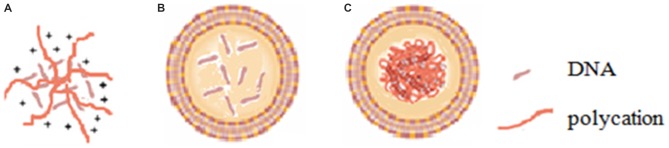
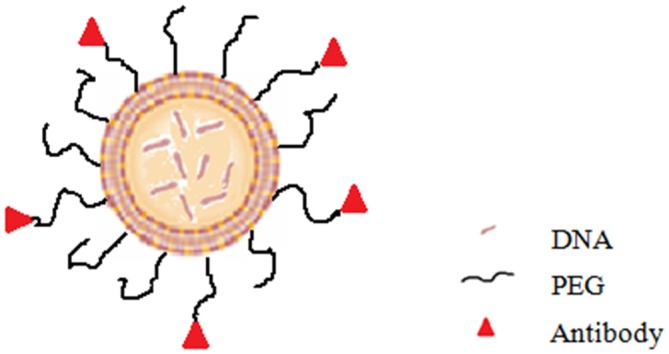
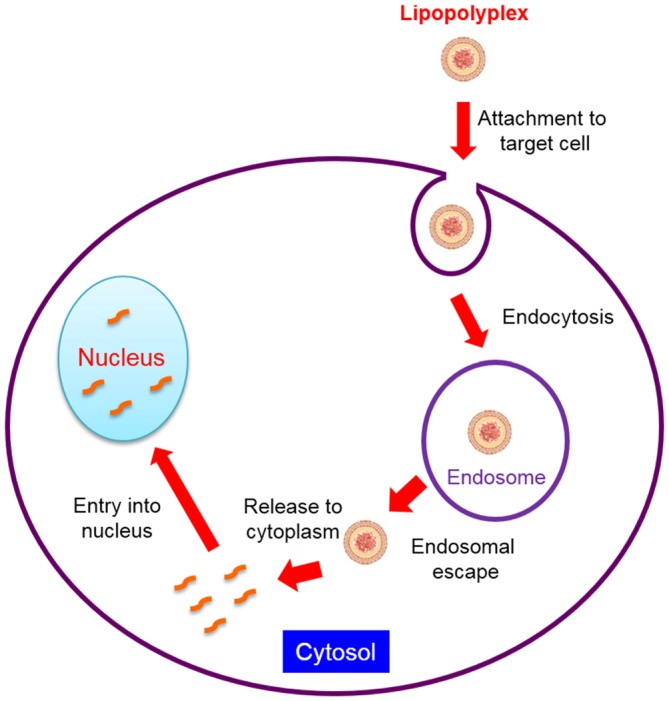
Lipopolyplex is a core-shell structure composed of nucleic acid, polycation and lipid. As a non-viral gene delivery vector, lipopolyplex combining the advantages of polyplex and lipoplex has shown superior colloidal stability, reduced cytotoxicity, extremely high gene transfection efficiency. Following intravenous administration, there are many strategies based on lipopolyplex to overcome the complex biological barriers in systemic gene delivery including condensation of nucleic acids into nanoparticles, long circulation, cell targeting, endosomal escape, release to cytoplasm and entry into cell nucleus. Parkinson's disease (PD) is the second most common neurodegenerative disorder and severely influences the patients' life quality. Current gene therapy clinical trials for PD employing viral vectors didn't achieve satisfactory efficacy. However, lipopolyplex may become a promising alternative approach owing to its stability in blood, ability to cross the blood-brain barrier (BBB) and specific targeting to diseased brain cells.
脂质多聚体是一种由核酸、聚阳离子和脂质组成的核壳结构。作为一种非病毒基因递送载体,脂质多聚体结合了多聚体和脂质体的优点,表现出优异的胶体稳定性、降低的细胞毒性以及极高的基因转染效率。静脉给药后,基于脂质多聚体有许多策略来克服全身基因递送中的复杂生物屏障,包括将核酸凝聚成纳米颗粒、长循环、细胞靶向、内体逃逸、释放到细胞质以及进入细胞核。帕金森病(PD)是第二常见的神经退行性疾病,严重影响患者的生活质量。目前采用病毒载体进行的PD基因治疗临床试验未取得令人满意的疗效。然而,脂质多聚体因其在血液中的稳定性、穿过血脑屏障(BBB)的能力以及对患病脑细胞的特异性靶向作用,可能成为一种有前途的替代方法。