Haig C W, Mackay W G, Walker J T, Williams C
Institute of Healthcare Associated Infection, University of the West of Scotland, Paisley, UK.
Institute of Healthcare Associated Infection, University of the West of Scotland, Paisley, UK.
J Hosp Infect. 2016 Jul;93(3):242-55. doi: 10.1016/j.jhin.2016.03.017. Epub 2016 Apr 1.
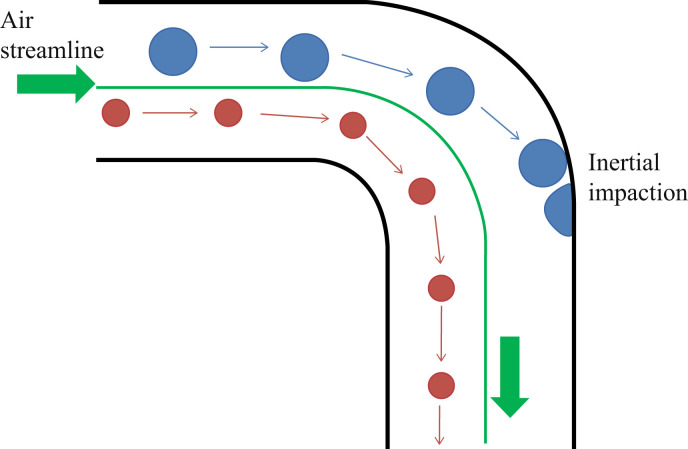
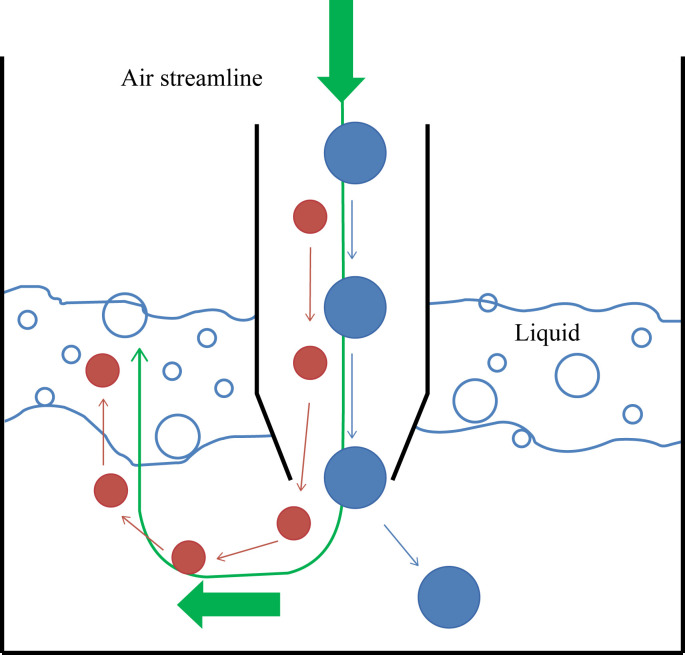
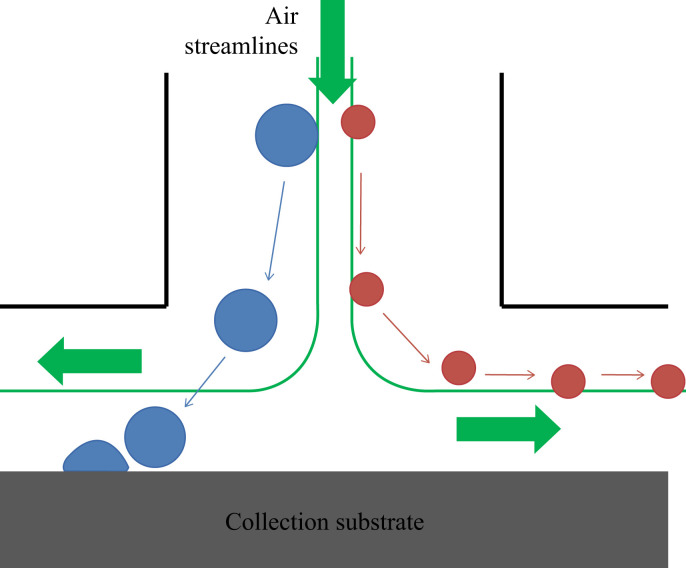
Investigations into the suspected airborne transmission of pathogens in healthcare environments have posed a challenge to researchers for more than a century. With each pathogen demonstrating a unique response to environmental conditions and the mechanical stresses it experiences, the choice of sampling device is not obvious. Our aim was to review bioaerosol sampling, sampling equipment, and methodology. A comprehensive literature search was performed, using electronic databases to retrieve English language papers on bioaerosol sampling. The review describes the mechanisms of popular bioaerosol sampling devices such as impingers, cyclones, impactors, and filters, explaining both their strengths and weaknesses, and the consequences for microbial bioefficiency. Numerous successful studies are described that point to best practice in bioaerosol sampling, from the use of small personal samplers to monitor workers' pathogen exposure through to large static samplers collecting airborne microbes in various healthcare settings. Of primary importance is the requirement that studies should commence by determining the bioefficiency of the chosen sampler and the pathogen under investigation within laboratory conditions. From such foundations, sampling for bioaerosol material in the complexity of the field holds greater certainty of successful capture of low-concentration airborne pathogens. From the laboratory to use in the field, this review enables the investigator to make informed decisions about the choice of bioaerosol sampler and its application.
一个多世纪以来,对医疗环境中病原体疑似空气传播的调查一直是研究人员面临的挑战。由于每种病原体对环境条件及其所经历的机械应力都表现出独特的反应,采样设备的选择并不明显。我们的目的是综述生物气溶胶采样、采样设备和方法。我们进行了全面的文献检索,使用电子数据库检索关于生物气溶胶采样的英文论文。该综述描述了撞击式采样器、旋风分离器、冲击式采样器和过滤器等常用生物气溶胶采样设备的工作机制,解释了它们的优缺点以及对微生物生物效率的影响。文中描述了许多成功的研究,这些研究指出了生物气溶胶采样的最佳实践,从使用小型个人采样器监测工作人员的病原体暴露,到在各种医疗环境中使用大型静态采样器收集空气中的微生物。首要的是,研究应首先在实验室条件下确定所选采样器和所研究病原体的生物效率。基于这样的基础,在复杂的现场对生物气溶胶物质进行采样,成功捕获低浓度空气传播病原体的确定性更高。从实验室到现场应用,本综述使研究人员能够就生物气溶胶采样器的选择及其应用做出明智的决策。