Qu Kai, Lin Ting, Pang Qing, Liu Tian, Wang Zhixin, Tai Minghui, Meng Fandi, Zhang Jingyao, Wan Yong, Mao Ping, Dong Xiaoqun, Liu Chang, Niu Wenquan, Dong Shunbin
Department of Hepatobiliary Surgery, The First Affiliated Hospital of Xi'an Jiaotong University, Xi'an 710061, Shaanxi, China.
Department of Hematology, The Second Affiliated Hospital of Xi'an Jiaotong University, Xi'an 710004, Shaanxi, China.
Oncotarget. 2016 Jun 7;7(23):33994-4010. doi: 10.18632/oncotarget.9188.
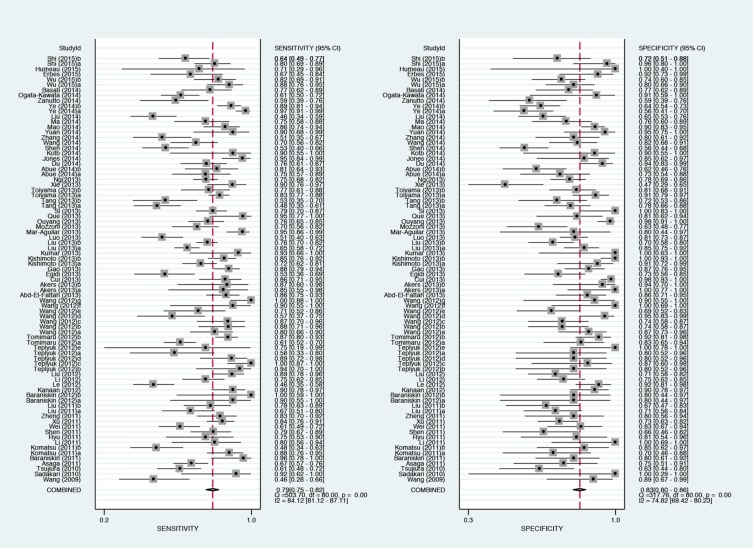
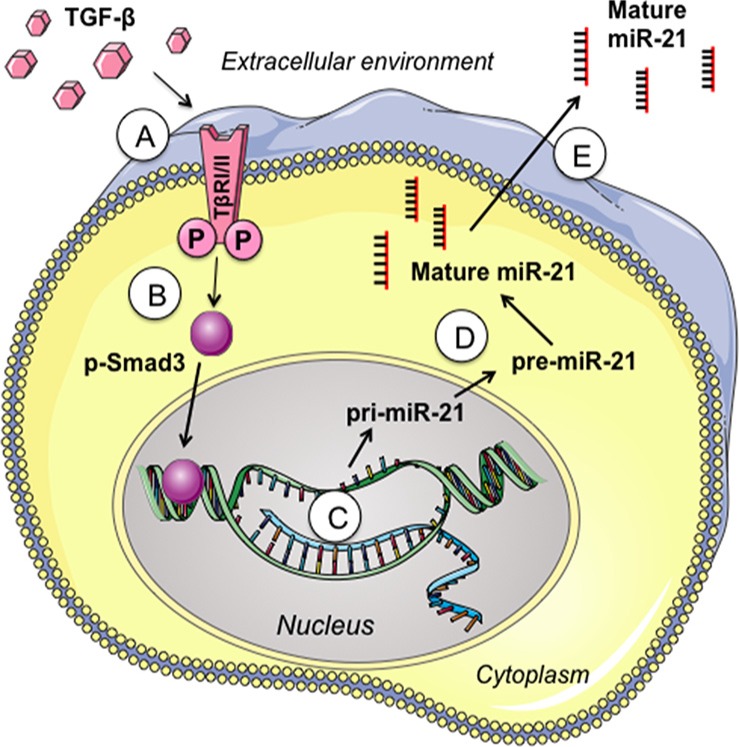
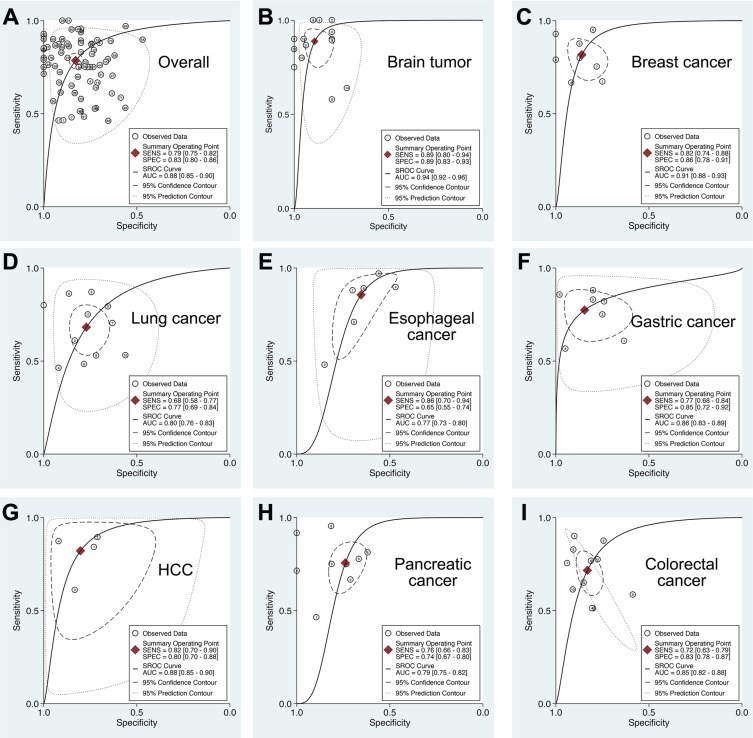
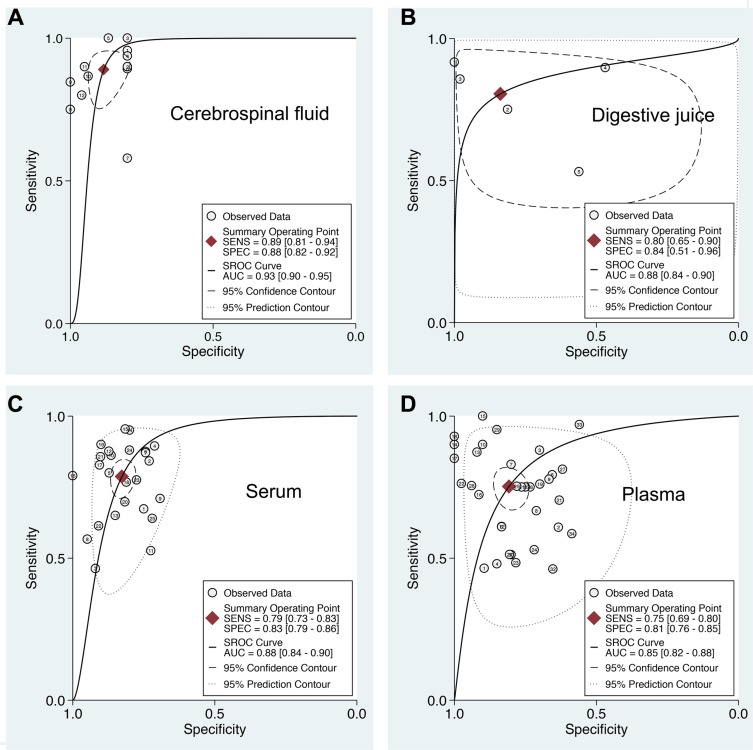
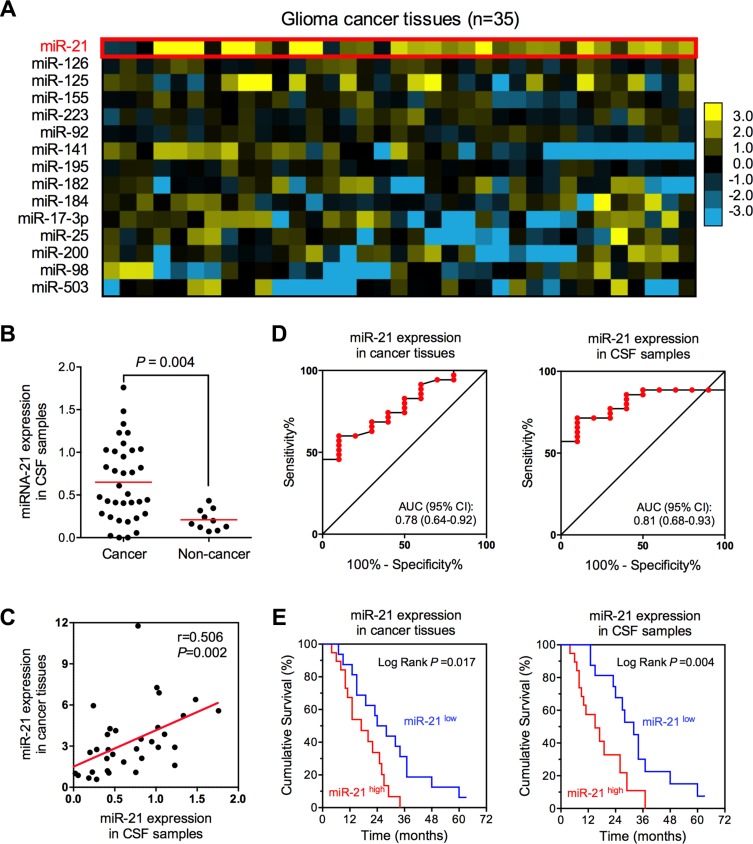
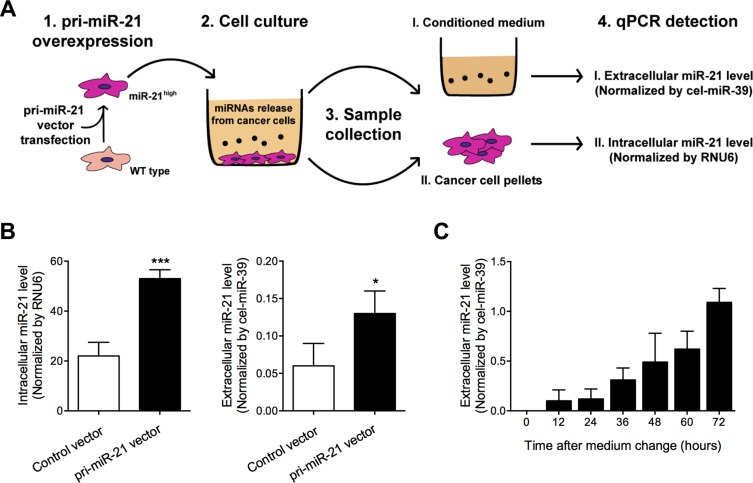
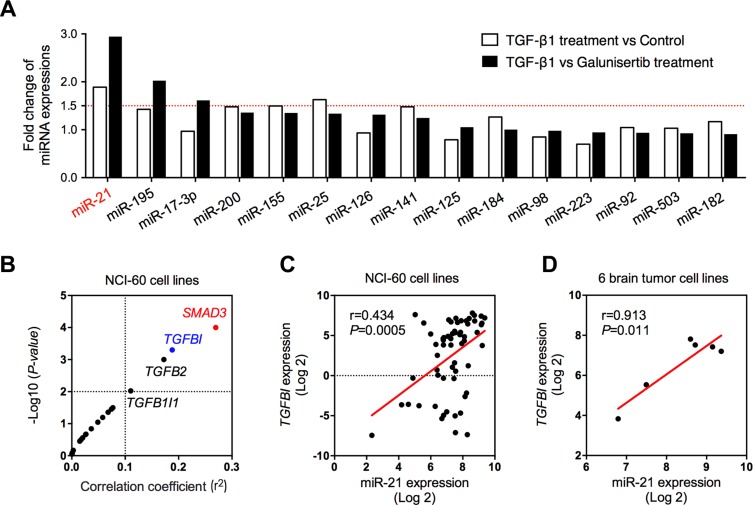
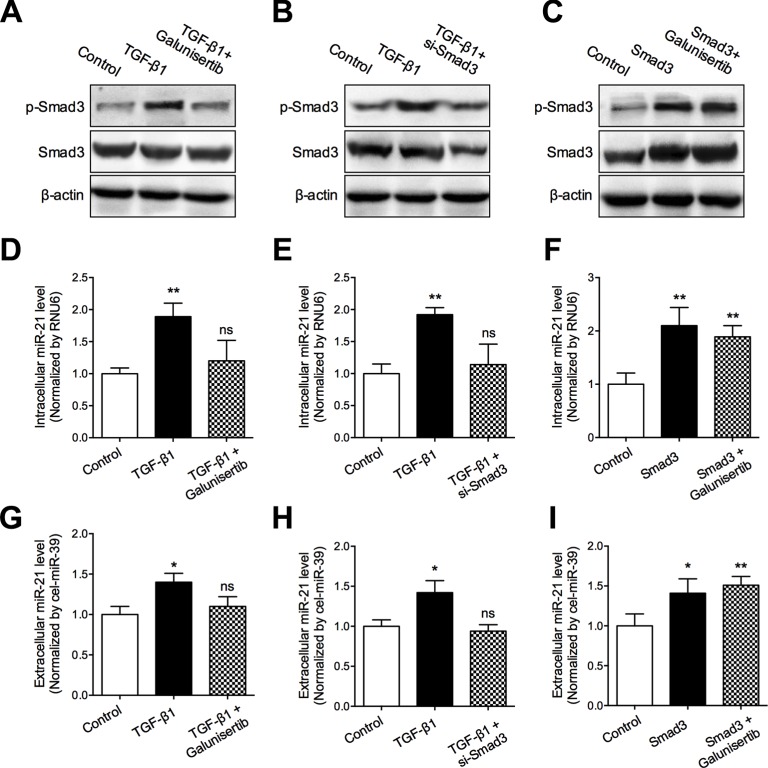
Evidence is accumulating highlighting the importance of extracellular miRNA as a novel biomarker for diagnosing various kinds of malignancies. MiR-21 is one of the most studied miRNAs and is over-expressed in cancer tissues. To explore the clinical implications and secretory mechanisms of extracellular miR-21, we firstly meta-analyzed the diagnostic efficiency of extracellular miR-21 in different cancer types. Eighty-one studies based on 59 articles were finally included. In our study, extracellular miR-21 was observed to exhibit an outstanding diagnostic accuracy in detecting brain cancer (area under the summary receiver operating characteristic curve or AUC = 0.94), and this accuracy was more obvious in glioma diagnosis (AUC = 0.95). Our validation study (n = 45) further confirmed the diagnostic and prognostic role of miR-21 in cerebrospinal fluid (CSF) for glioma. These findings inspired us to explore the biological function of miR-21. We next conducted mechanistic investigations to explain the secretory mechanisms of extracellular miR-21 in glioma. TGF-β/Smad3 signaling was identified to participate in mediating the release of miR-21 from glioma cells. Further targeting TGF-β/Smad3 signaling using galunisertib, an inhibitor of the TGF-β type I receptor kinase, can attenuate the secretion of miR-21 from glioma cells. Taken together, CSF-based miR-21 might serve as a potential biomarker for diagnosing brain cancer, especially for patients with glioma. Moreover, extracellular levels of miR-21 were affected by exogenous TGF-β activity and galunisertib treatment.
越来越多的证据表明,细胞外微小RNA(miRNA)作为诊断各种恶性肿瘤的新型生物标志物具有重要意义。miR-21是研究最多的miRNA之一,在癌组织中过表达。为了探究细胞外miR-21的临床意义和分泌机制,我们首先对细胞外miR-21在不同癌症类型中的诊断效率进行了荟萃分析。最终纳入了基于59篇文章的81项研究。在我们的研究中,观察到细胞外miR-21在检测脑癌方面具有出色的诊断准确性(汇总受试者工作特征曲线下面积或AUC = 0.94),并且这种准确性在胶质瘤诊断中更为明显(AUC = 0.95)。我们的验证研究(n = 45)进一步证实了miR-21在脑脊液(CSF)中对胶质瘤的诊断和预后作用。这些发现促使我们探索miR-21的生物学功能。接下来,我们进行了机制研究,以解释胶质瘤中细胞外miR-21的分泌机制。已确定转化生长因子-β(TGF-β)/Smad3信号通路参与介导miR-21从胶质瘤细胞的释放。使用TGF-β I型受体激酶抑制剂加鲁尼西替(galunisertib)进一步靶向TGF-β/Smad3信号通路,可以减弱胶质瘤细胞中miR-21的分泌。综上所述,基于脑脊液的miR-21可能作为诊断脑癌的潜在生物标志物,尤其是对胶质瘤患者。此外,miR-21的细胞外水平受外源性TGF-β活性和加鲁尼西替治疗的影响。