Sitek Kevin R, Cai Shanqing, Beal Deryk S, Perkell Joseph S, Guenther Frank H, Ghosh Satrajit S
Program in Speech and Hearing Bioscience and Technology, Division of Medical Sciences, Harvard Medical SchoolBoston, MA, USA; McGovern Institute for Brain Research, Massachusetts Institute of TechnologyCambridge, MA, USA.
Research Laboratory of Electronics, Massachusetts Institute of TechnologyCambridge, MA, USA; Department of Speech, Language and Hearing Sciences, Sargent College of Health and Rehabilitation Sciences, Boston UniversityBoston, MA, USA.
Front Hum Neurosci. 2016 May 3;10:190. doi: 10.3389/fnhum.2016.00190. eCollection 2016.
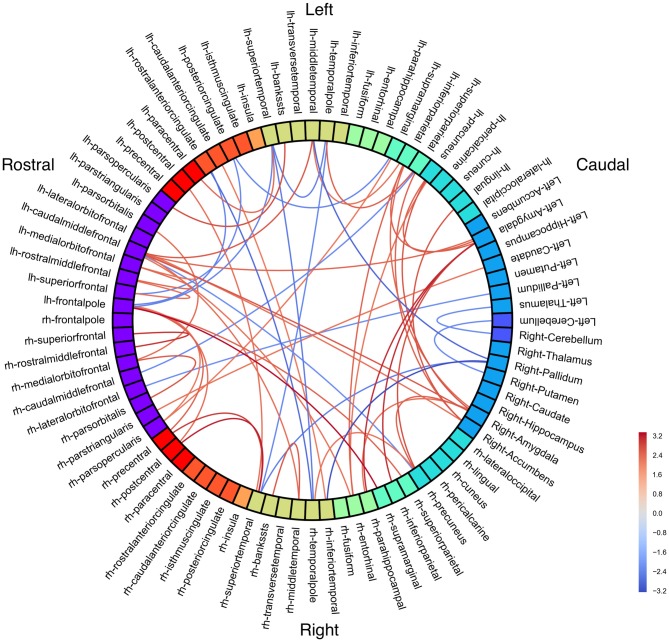
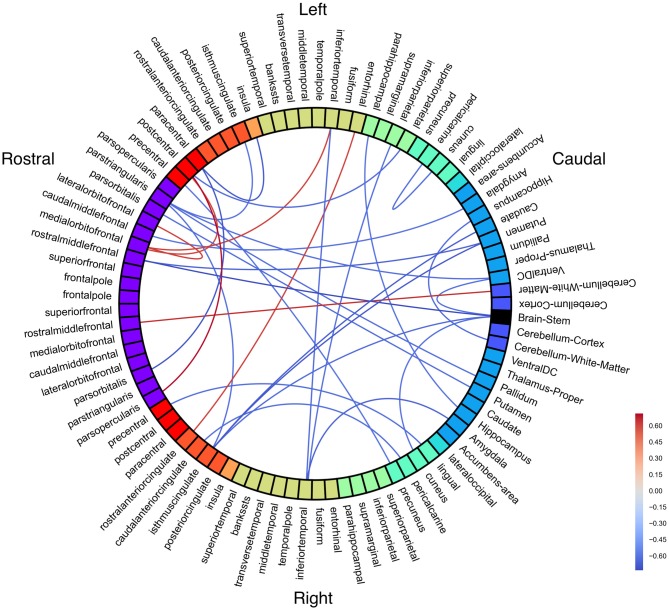
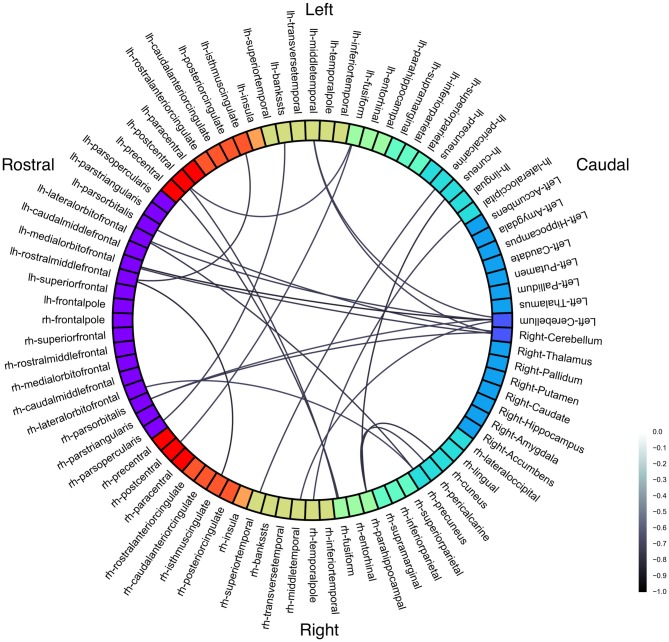
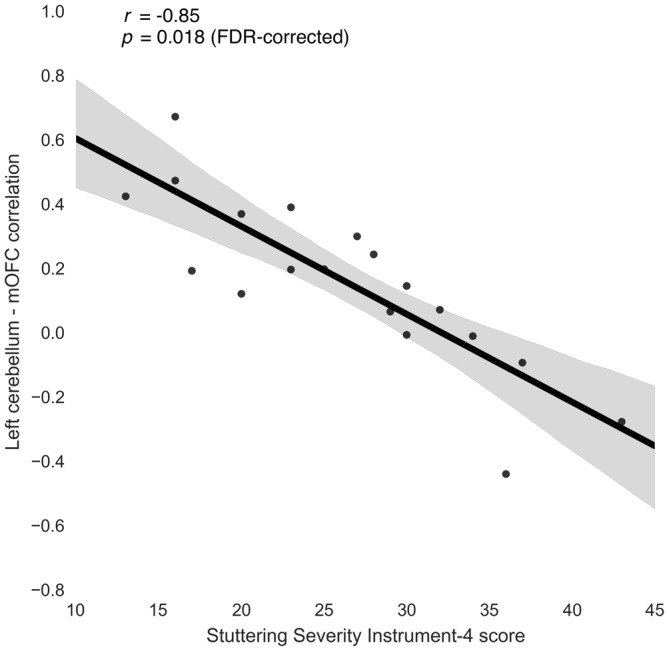
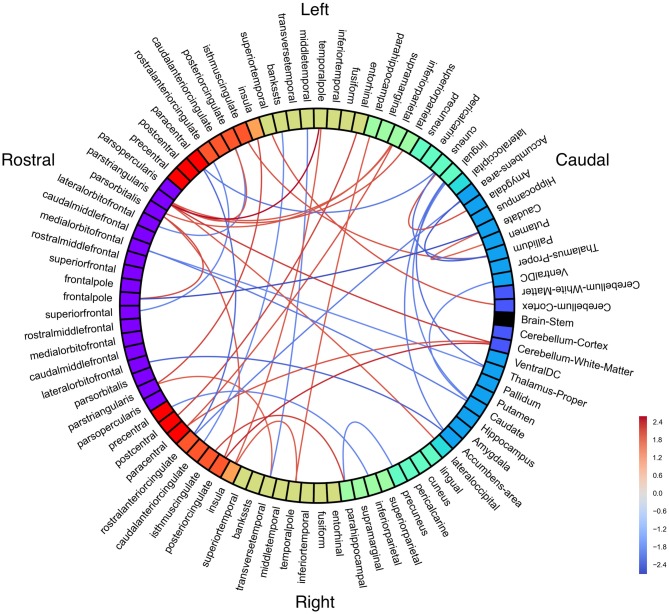
Persistent developmental stuttering is characterized by speech production disfluency and affects 1% of adults. The degree of impairment varies widely across individuals and the neural mechanisms underlying the disorder and this variability remain poorly understood. Here we elucidate compensatory mechanisms related to this variability in impairment using whole-brain functional and white matter connectivity analyses in persistent developmental stuttering. We found that people who stutter had stronger functional connectivity between cerebellum and thalamus than people with fluent speech, while stutterers with the least severe symptoms had greater functional connectivity between left cerebellum and left orbitofrontal cortex (OFC). Additionally, people who stutter had decreased functional and white matter connectivity among the perisylvian auditory, motor, and speech planning regions compared to typical speakers, but greater functional connectivity between the right basal ganglia and bilateral temporal auditory regions. Structurally, disfluency ratings were negatively correlated with white matter connections to left perisylvian regions and to the brain stem. Overall, we found increased connectivity among subcortical and reward network structures in people who stutter compared to controls. These connections were negatively correlated with stuttering severity, suggesting the involvement of cerebellum and OFC may underlie successful compensatory mechanisms by more fluent stutterers.
持续性发育性口吃的特征是言语产生不流畅,影响1%的成年人。损伤程度在个体间差异很大,该障碍背后的神经机制以及这种变异性仍知之甚少。在这里,我们使用全脑功能和白质连接分析来阐明持续性发育性口吃中与这种损伤变异性相关的代偿机制。我们发现,口吃者小脑与丘脑之间的功能连接比流利说话者更强,而症状最轻的口吃者左小脑与左眶额皮质(OFC)之间的功能连接更强。此外,与正常说话者相比,口吃者颞周听觉、运动和言语计划区域之间的功能和白质连接减少,但右基底神经节与双侧颞听觉区域之间的功能连接更强。在结构上,不流畅评分与左颞周区域和脑干的白质连接呈负相关。总体而言,我们发现与对照组相比,口吃者的皮质下和奖赏网络结构之间的连接增加。这些连接与口吃严重程度呈负相关,表明小脑和OFC的参与可能是更流利的口吃者成功代偿机制的基础。