Lundqvist Adam, Andersson Emelie, Ahlberg Ida, Nilbert Mef, Gerdtham Ulf
IHE, The Swedish Institute for Health Economics, Lund, Sweden
IHE, The Swedish Institute for Health Economics, Lund, Sweden.
Eur J Public Health. 2016 Oct;26(5):804-813. doi: 10.1093/eurpub/ckw070. Epub 2016 May 23.
Breast cancer is the leading cause of female cancer in Europe and is estimated to affect more than one in 10 women. Higher socioeconomic status has been linked to higher incidence but lower case fatality, while the impact on mortality is ambiguous.
We performed a systematic literature review and meta-analysis on studies on association between socioeconomic status and breast cancer outcomes in Europe, with a focus on effects of confounding factors. Summary relative risks (SRRs) were calculated.
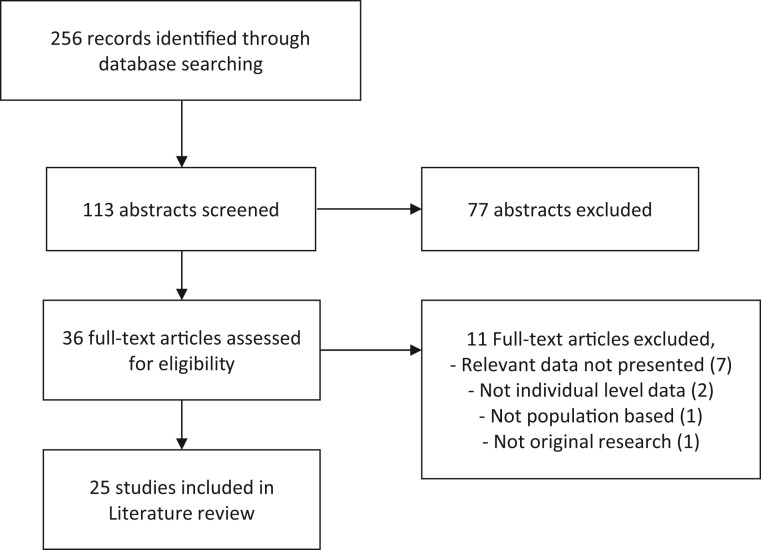
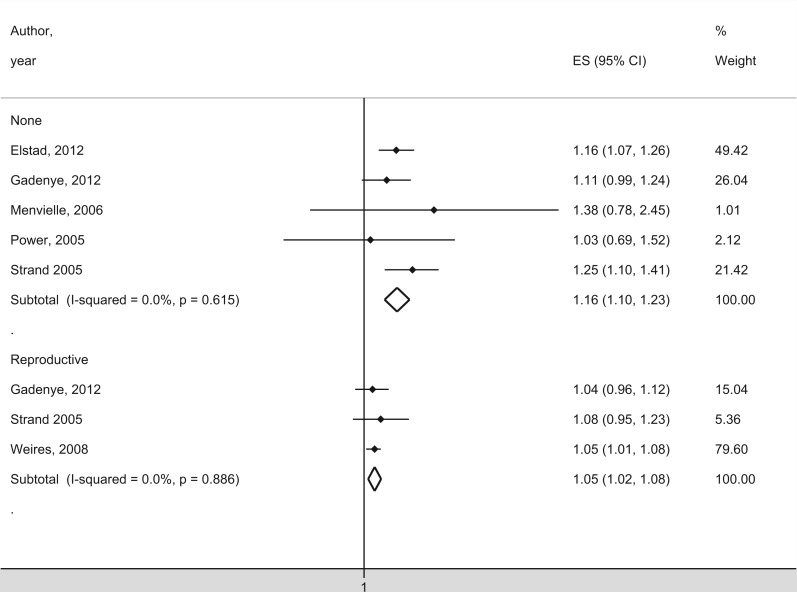
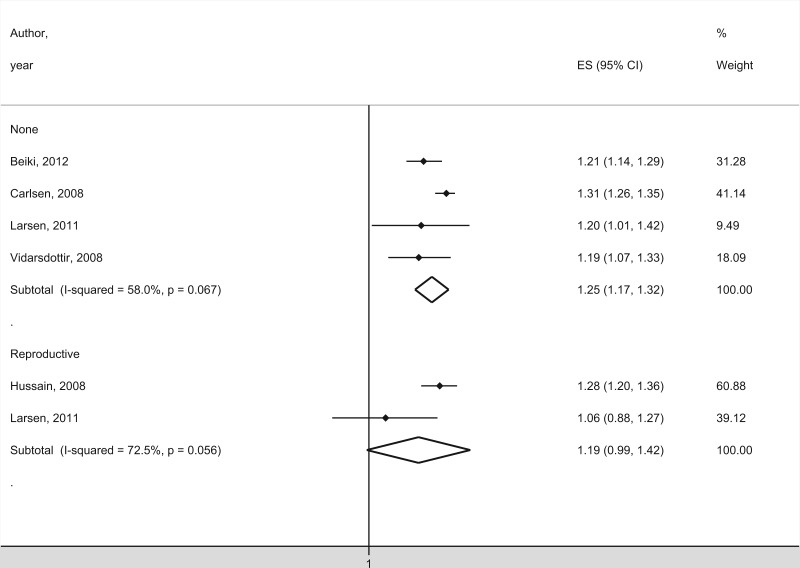
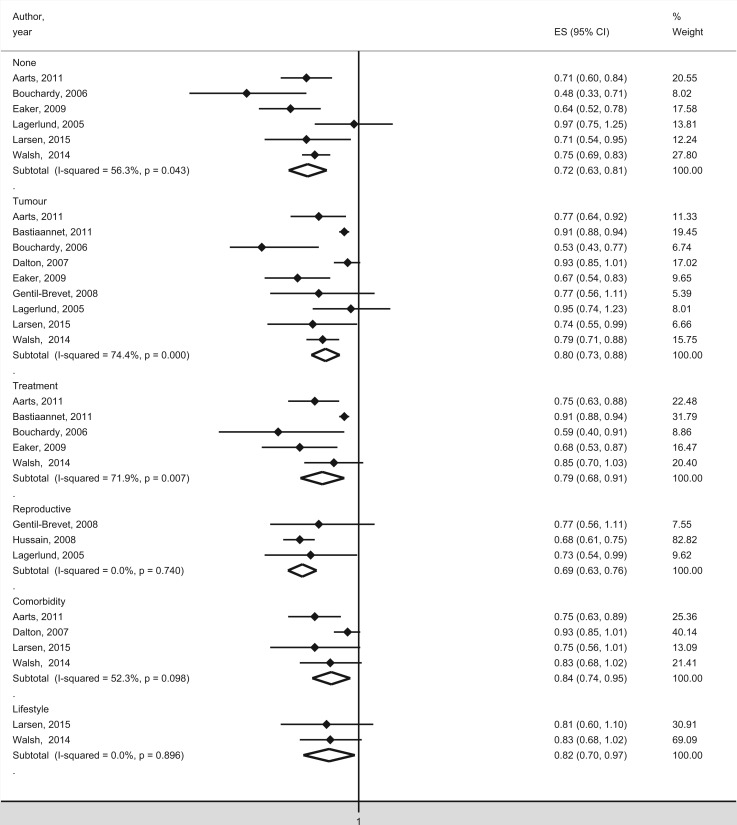
The systematic review included 25 articles of which 8 studied incidence, 10 case fatality and 8 mortality. The meta-analysis showed a significantly increased incidence (SRR 1.25, 1.17-1.32), a significantly decreased case fatality (SRR 0.72, 0.63-0.81) and a significantly increased mortality (SRR 1.16, 1.10-1.23) for women with higher socioeconomic status. The association for incidence became insignificant when reproductive factors were included. Case fatality remained significant after controlling for tumour characteristics, treatment factors, comorbidity and lifestyle factors. Mortality remained significant after controlling for reproductive factors.
Women with higher socioeconomic status show significantly higher breast cancer incidence, which may be explained by reproductive factors, mammography screening, hormone replacement therapy and lifestyle factors. Lower case fatality for women with higher socioeconomic status may be partly explained by differences in tumour characteristics, treatment factors, comorbidity and lifestyle factors. Several factors linked to breast cancer risk and outcome, such as lower screening attendance for women with lower socioeconomic status, are suitable targets for policy intervention aimed at reducing socioeconomic-related inequalities in health outcomes.
乳腺癌是欧洲女性癌症的主要病因,估计每10名女性中就有1人以上受其影响。较高的社会经济地位与较高的发病率相关,但病例死亡率较低,而对死亡率的影响尚不明确。
我们对欧洲社会经济地位与乳腺癌结局之间关联的研究进行了系统的文献综述和荟萃分析,重点关注混杂因素的影响。计算了汇总相对风险(SRR)。
系统综述纳入了25篇文章,其中8篇研究发病率,10篇研究病例死亡率,8篇研究死亡率。荟萃分析显示,社会经济地位较高的女性发病率显著增加(SRR 1.25,1.17 - 1.32),病例死亡率显著降低(SRR 0.72,0.63 - 0.81),死亡率显著增加(SRR 1.16,1.10 - 1.23)。纳入生殖因素后,发病率的关联变得不显著。在控制肿瘤特征、治疗因素、合并症和生活方式因素后,病例死亡率仍然显著。在控制生殖因素后,死亡率仍然显著。
社会经济地位较高的女性乳腺癌发病率显著更高,这可能由生殖因素、乳房X光筛查、激素替代疗法和生活方式因素来解释。社会经济地位较高的女性病例死亡率较低,部分原因可能是肿瘤特征、治疗因素、合并症和生活方式因素存在差异。一些与乳腺癌风险和结局相关的因素,如社会经济地位较低的女性筛查参与率较低,是旨在减少健康结局中与社会经济相关不平等的政策干预的合适目标。