Berman Anne H, Gajecki Mikael, Sinadinovic Kristina, Andersson Claes
Department of Clinical Neuroscience, Center for Psychiatric Research, Karolinska Institutet, Norra Stationsgatan 69, 7th floor, SE-113 64 Stockholm, Sweden ; Stockholm Center for Dependency Disorders, Box 179 14, SE-118 95 Stockholm, Sweden.
Department of Clinical Neuroscience, Center for Psychiatric Research, Karolinska Institutet, Norra Stationsgatan 69, 7th floor, SE-113 64 Stockholm, Sweden.
Curr Addict Rep. 2016;3:166-174. doi: 10.1007/s40429-016-0099-6. Epub 2016 Apr 5.
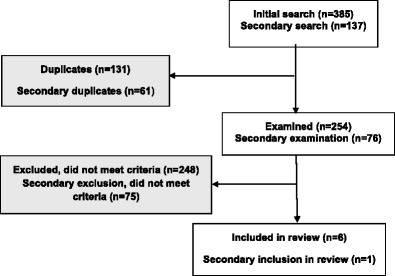
Mobile interventions based on text messages, automated telephone programs (interactive voice response (IVR)), and smartphone apps offer a new approach targeting hazardous alcohol use in university students. This review covers seven recent studies involving college or university students that evaluated intervention efficacy in comparison to controls: four using text messages, one using IVR, and two smartphone apps. Only the study evaluating IVR reported positive results for the primary outcome. Two of the text message studies reported positive results on secondary outcomes, while the other two reported no differences in comparison to control groups. For smartphone apps, one study reported positive results on secondary outcomes, while the other showed no differences in comparison to controls for a web-based app and negative results for a native app. Further development of mobile interventions is needed for this at-risk population, both in terms of intervention content and use of robust research designs.
基于短信、自动电话程序(交互式语音应答(IVR))和智能手机应用程序的移动干预措施为针对大学生有害饮酒行为提供了一种新方法。本综述涵盖了最近七项涉及大学生的研究,这些研究评估了与对照组相比的干预效果:四项使用短信,一项使用IVR,两项使用智能手机应用程序。只有评估IVR的研究报告了主要结局的阳性结果。两项短信研究报告了次要结局的阳性结果,而另外两项报告与对照组无差异。对于智能手机应用程序,一项研究报告了次要结局的阳性结果,而另一项研究表明,基于网络的应用程序与对照组无差异,而原生应用程序则报告了阴性结果。对于这一高危人群,需要在干预内容和使用稳健的研究设计方面进一步发展移动干预措施。