Institute of Toxicology, College of Preventive Medicine, Third Military Medical University, Chongqing, PR China.
Department of Biochemistry and Center in Molecular Toxicology, Vanderbilt University School of Medicine, Nashville, TN 37232-0146, USA.
Mutat Res Rev Mutat Res. 2016 Apr-Jun;768:53-67. doi: 10.1016/j.mrrev.2016.03.006. Epub 2016 Apr 7.
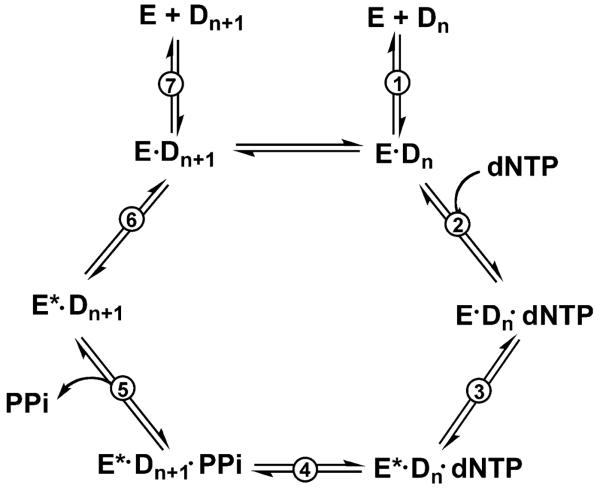
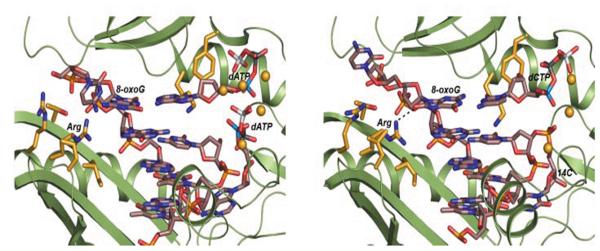
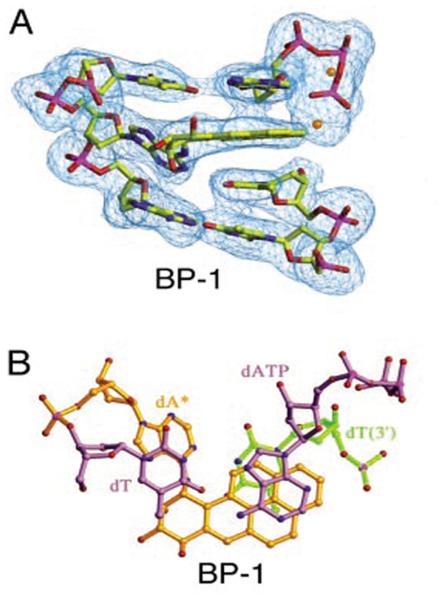
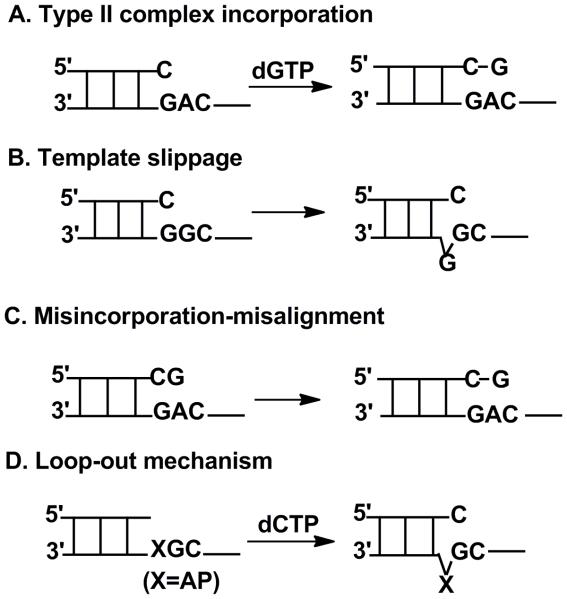
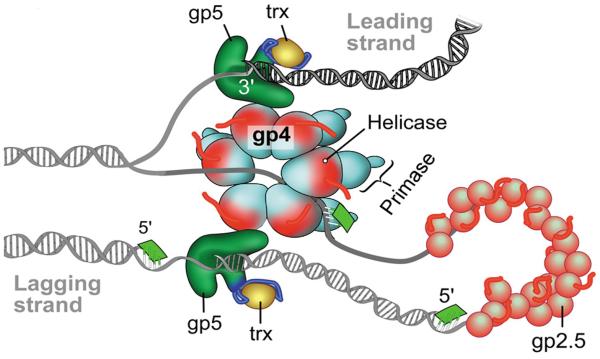
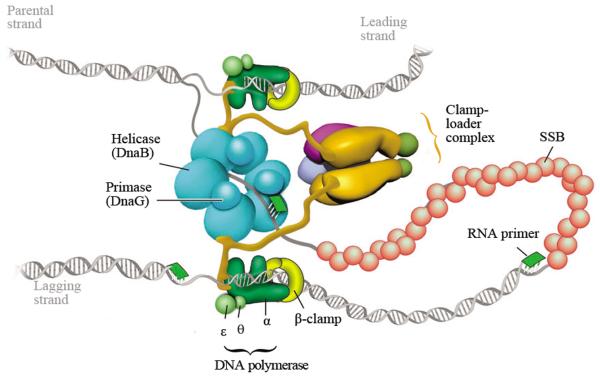
Environmental mutagens cause DNA damage that disturbs replication and produces mutations, leading to cancer and other diseases. We discuss mechanisms of mutagenesis resulting from DNA damage, from the level of DNA replication by a single polymerase to the complex DNA replisome of some typical model organisms (including bacteriophage T7, T4, Sulfolobus solfataricus, Escherichia coli, yeast and human). For a single DNA polymerase, DNA damage can affect replication in three major ways: reducing replication fidelity, causing frameshift mutations, and blocking replication. For the DNA replisome, protein interactions and the functions of accessory proteins can yield rather different results even with a single DNA polymerase. The mechanism of mutation during replication performed by the DNA replisome is a long-standing question. Using new methods and techniques, the replisomes of certain organisms and human cell extracts can now be investigated with regard to the bypass of DNA damage. In this review, we consider the molecular mechanism of mutagenesis resulting from DNA damage in replication at the levels of single DNA polymerases and complex DNA replisomes, including translesion DNA synthesis.
环境诱变剂会导致 DNA 损伤,干扰复制并产生突变,从而导致癌症和其他疾病。我们讨论了由 DNA 损伤引起的突变机制,从单个聚合酶的 DNA 复制水平到某些典型模式生物(包括噬菌体 T7、T4、热球菌 solfataricus、大肠杆菌、酵母和人类)的复杂 DNA 复制体。对于单个 DNA 聚合酶,DNA 损伤可以通过三种主要方式影响复制:降低复制保真度、导致移码突变和阻止复制。对于 DNA 复制体,即使使用单个 DNA 聚合酶,蛋白质相互作用和辅助蛋白的功能也可能产生截然不同的结果。在复制过程中由 DNA 复制体引起的突变机制是一个长期存在的问题。利用新的方法和技术,现在可以研究某些生物体和人细胞提取物的复制体如何绕过 DNA 损伤。在这篇综述中,我们考虑了在单个 DNA 聚合酶和复杂的 DNA 复制体(包括跨损伤 DNA 合成)水平上由复制过程中的 DNA 损伤引起的突变的分子机制。