Toninato Riccardo, Salmon Jacob, Susin Francesca Maria, Ducci Andrea, Burriesci Gaetano
UCL Cardiovascular Engineering Laboratory, UCL Mechanical Engineering, University College London, UK; Cardiovascular Fluid Dynamics Laboratory HER, Department of Civil, Environmental and Architectural Engineering - University of Padua, Italy.
UCL Cardiovascular Engineering Laboratory, UCL Mechanical Engineering, University College London, UK.
J Biomech. 2016 Sep 6;49(13):2635-2643. doi: 10.1016/j.jbiomech.2016.05.027. Epub 2016 Jun 1.
The physiological flow dynamics within the Valsalva sinuses, in terms of global and local parameters, are still not fully understood. This study attempts to identify the physiological conditions as closely as possible, and to give an explanation of the different and sometime contradictory results in literature.
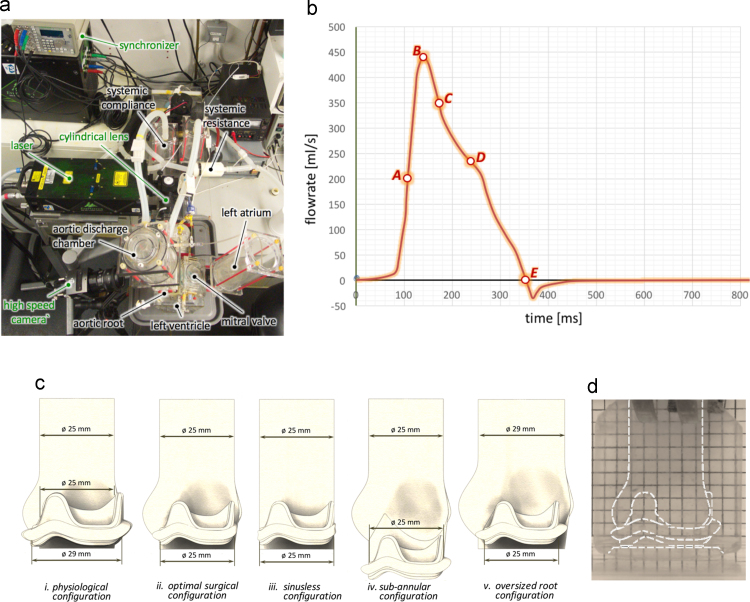
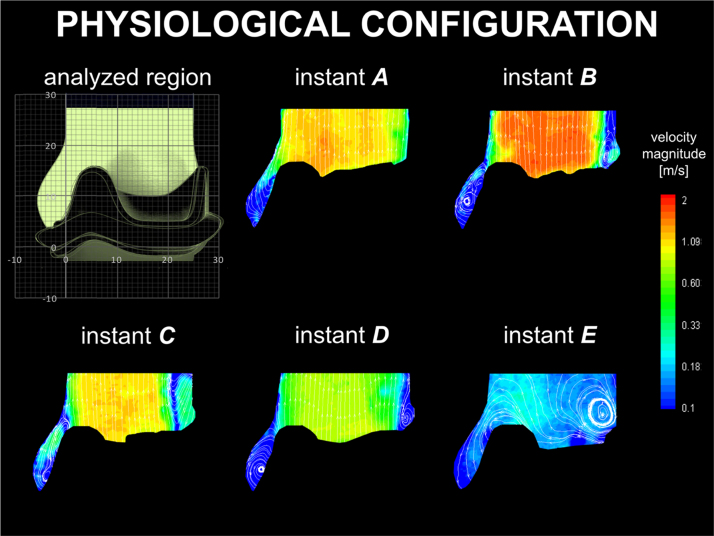
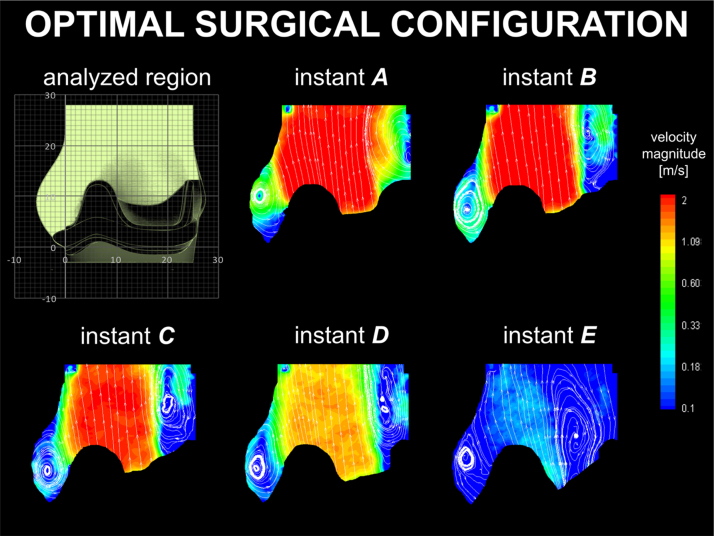
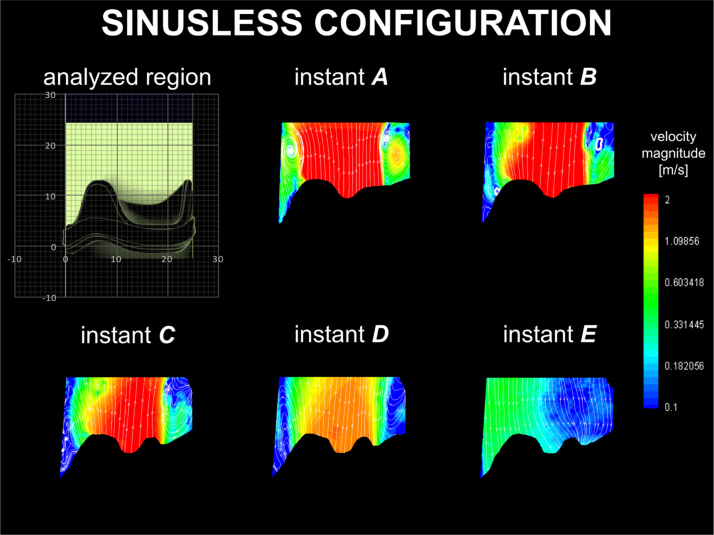
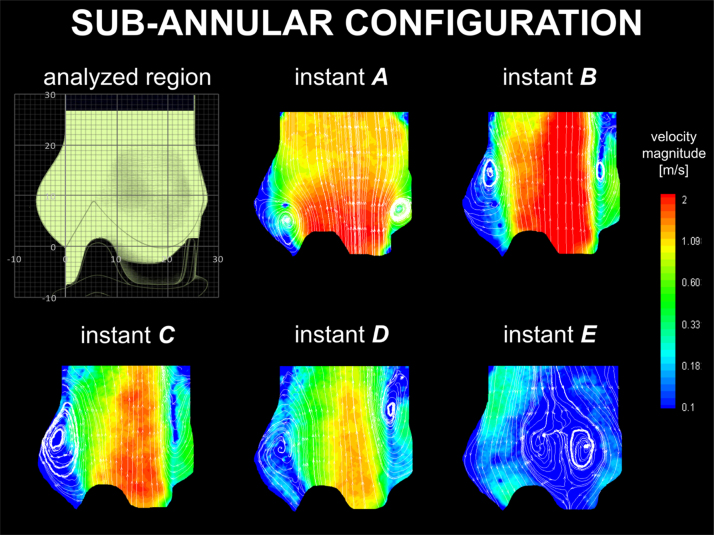
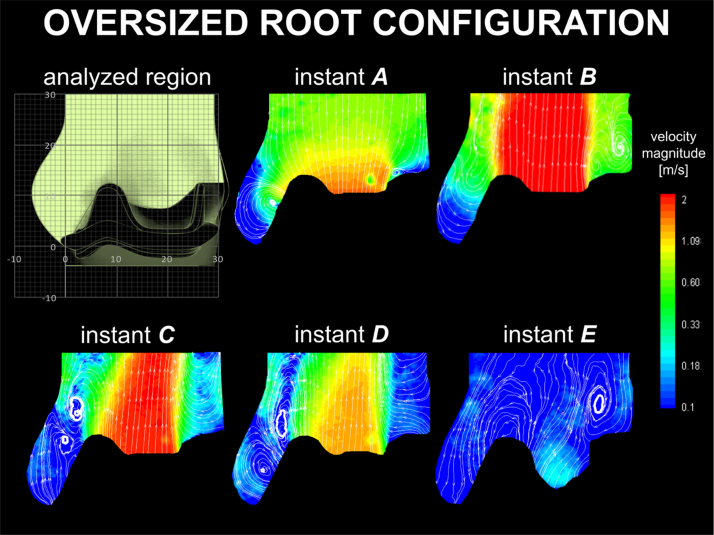
An in vitro approach was implemented for testing porcine bio-prosthetic valves operating within different aortic root configurations. All tests were performed on a pulse duplicator, under physiological pressure and flow conditions. The fluid dynamics established in the various cases were analysed by means of 2D Particle Image Velocimetry, and related with the achieved hydrodynamic performance.
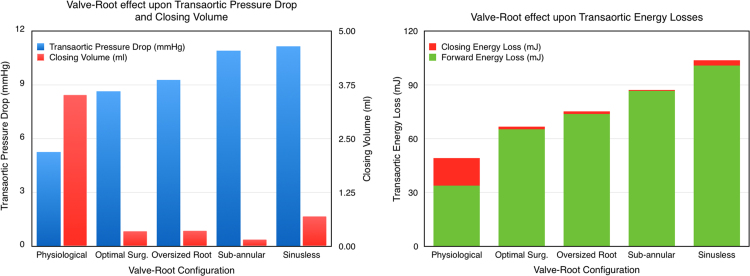
Each configuration is associated with substantially different flow dynamics, which significantly affects the valve performance. The configuration most closely replicating healthy native anatomy was characterised by the best hemodynamic performance, and any mismatch in size and position between the valve and the root produced substantial modification of the fluid dynamics downstream of the valve, hindering the hydrodynamic performance of the system. The worst conditions were observed for a configuration characterised by the total absence of the Valsalva sinuses.
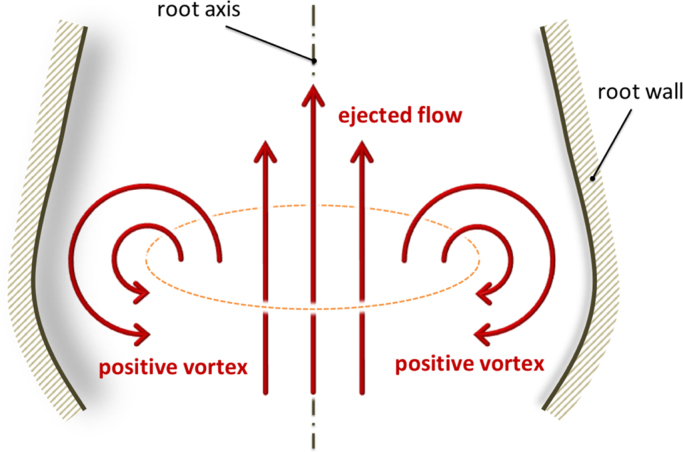
This study provides an explanation for the different vortical structures described in the literature downstream of bioprosthetic valves, enlightening the experimental complications in valve testing. Most importantly, the results clearly identify the fluid mechanisms promoted by the Valsalva sinuses to enhance the ejection and closing phases, and this study exposes the importance of an optimal integration of the valve and root, to operate as a single system.
关于主动脉窦内的生理流动动力学,就整体和局部参数而言,目前仍未完全了解。本研究试图尽可能准确地确定生理状况,并对文献中不同的、有时相互矛盾的结果作出解释。
采用体外方法测试在不同主动脉根部构型下运行的猪生物瓣膜。所有测试均在脉动复制器上,在生理压力和流动条件下进行。通过二维粒子图像测速技术分析各种情况下建立的流体动力学,并将其与所实现的流体动力性能相关联。
每种构型都与显著不同的流动动力学相关联,这对瓣膜性能有显著影响。最接近复制健康天然解剖结构的构型具有最佳的血液动力学性能,瓣膜与根部之间在尺寸和位置上的任何不匹配都会导致瓣膜下游流体动力学的实质性改变,从而阻碍系统的流体动力性能。对于完全没有主动脉窦的构型,观察到最差的情况。
本研究对文献中描述的生物瓣膜下游不同的涡旋结构作出了解释,阐明了瓣膜测试中的实验复杂性。最重要的是,结果清楚地确定了主动脉窦促进射血期和关闭期的流体机制,并且本研究揭示了瓣膜与根部作为一个单一系统进行最佳整合的重要性。