Baratz-Goldstein Renana, Deselms Hanna, Heim Leore Raphael, Khomski Lena, Hoffer Barry J, Atlas Daphne, Pick Chaim G
Department of Anatomy and Anthropology, Sackler School of Medicine, Tel-Aviv University, Tel-Aviv, Israel.
Department Biological Chemistry, Institute of Life Sciences, The Hebrew University of Jerusalem, Jerusalem, 91904, Israel.
PLoS One. 2016 Jun 10;11(6):e0157064. doi: 10.1371/journal.pone.0157064. eCollection 2016.
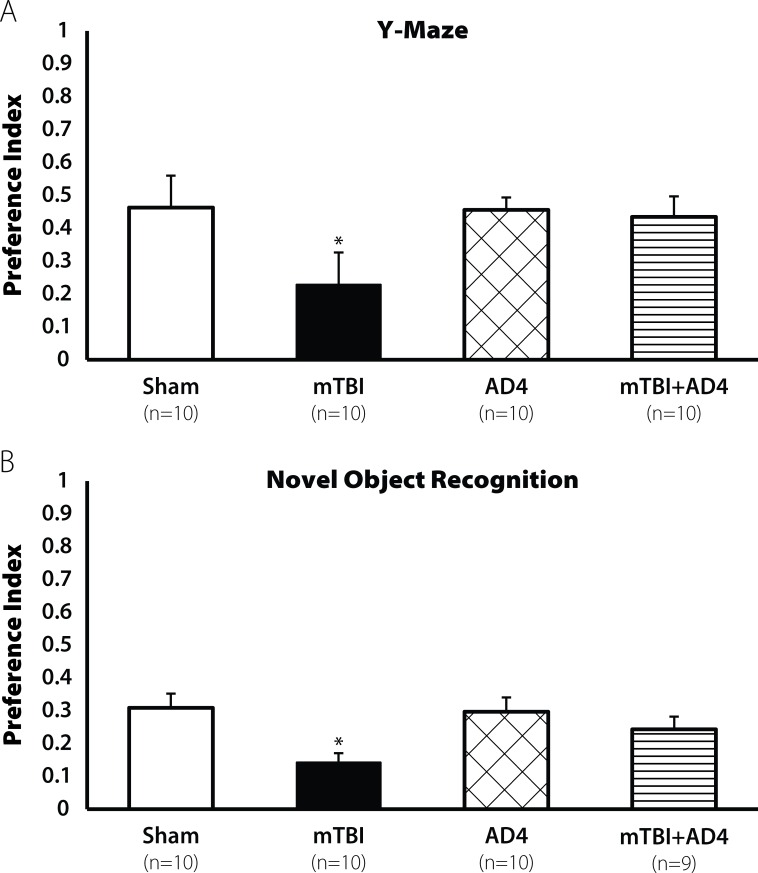
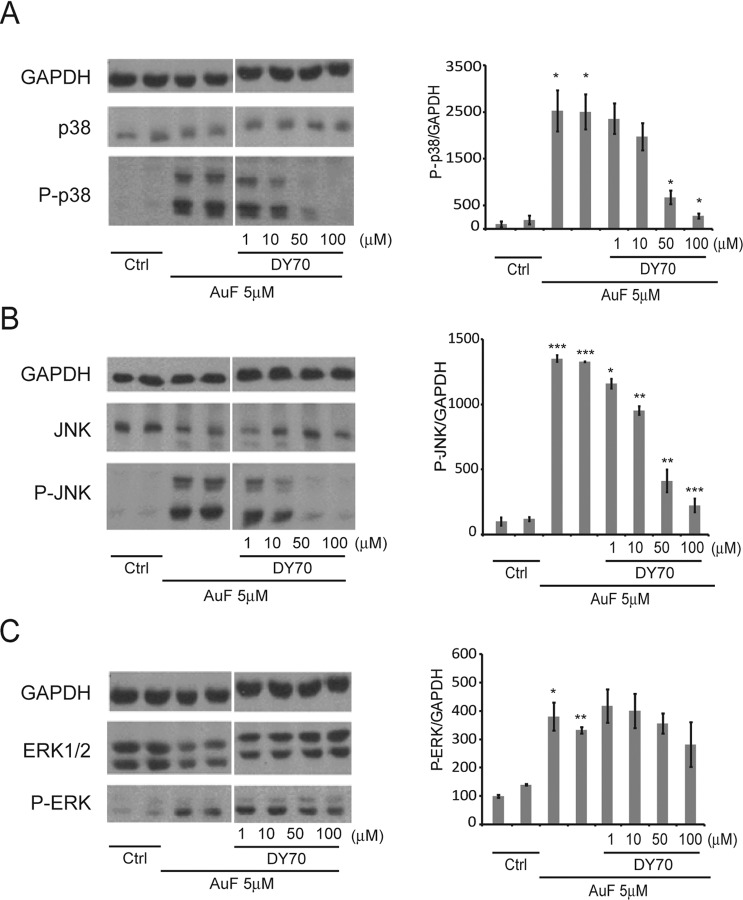
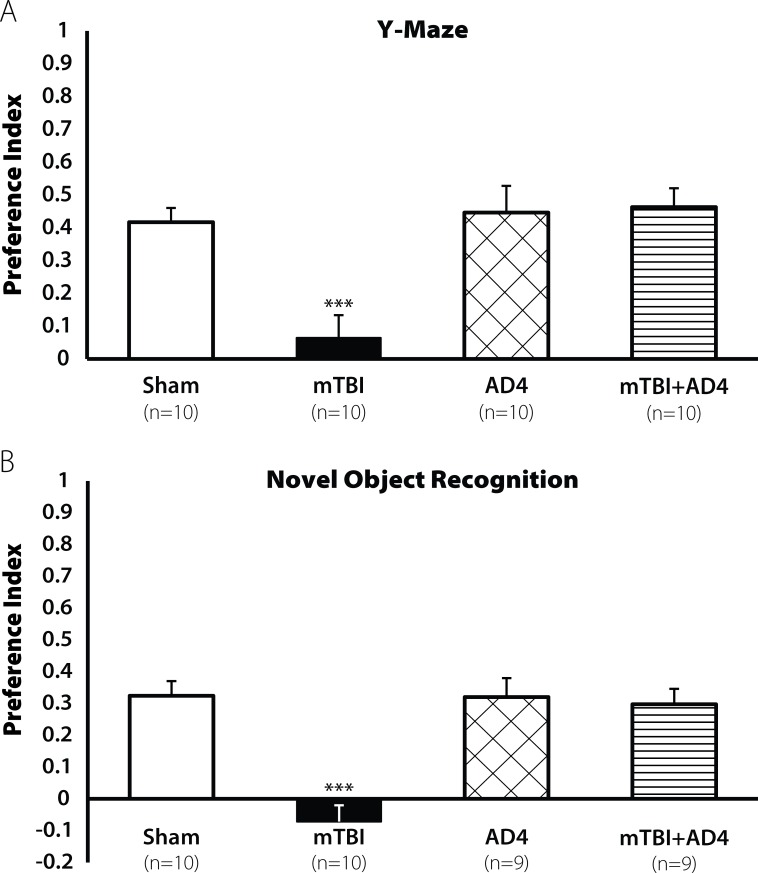
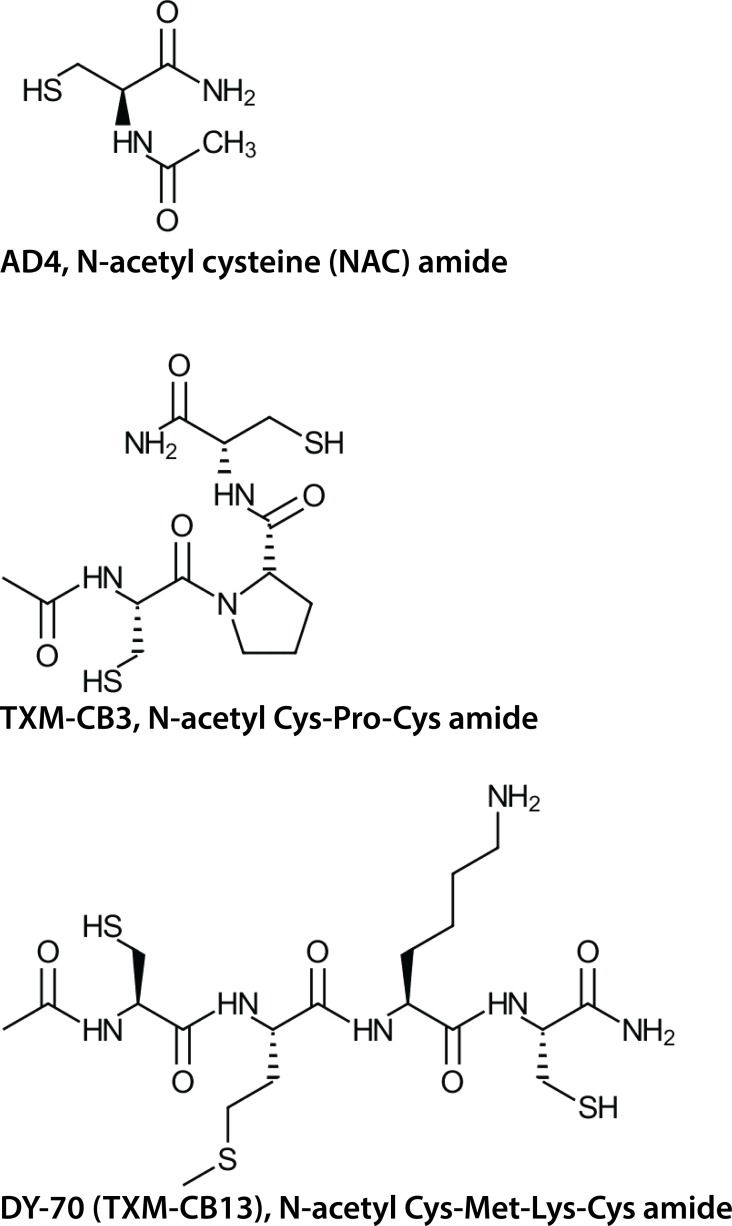
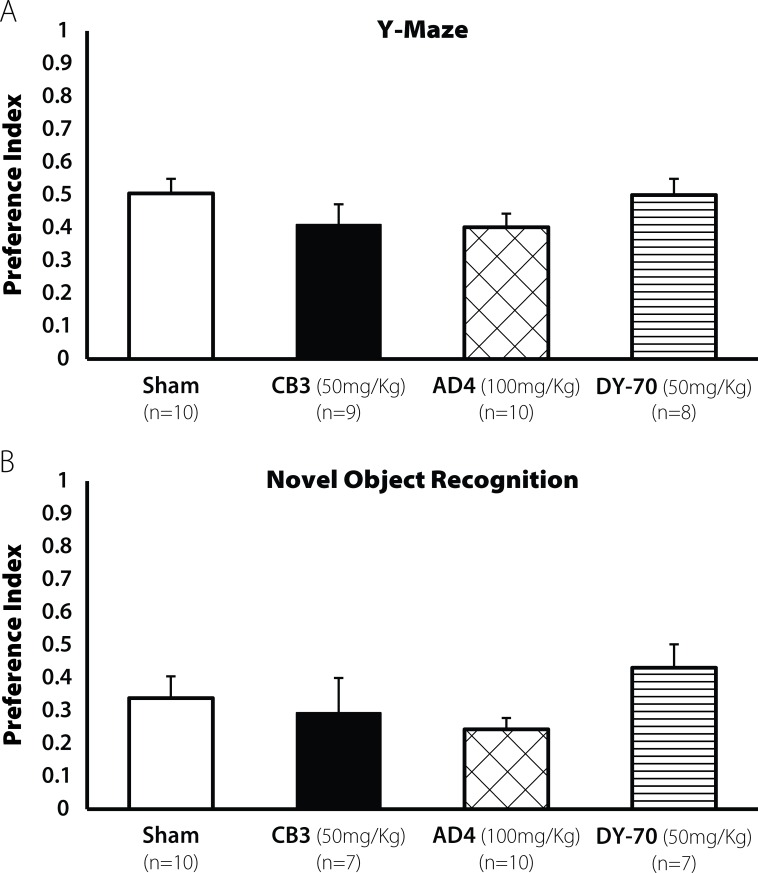
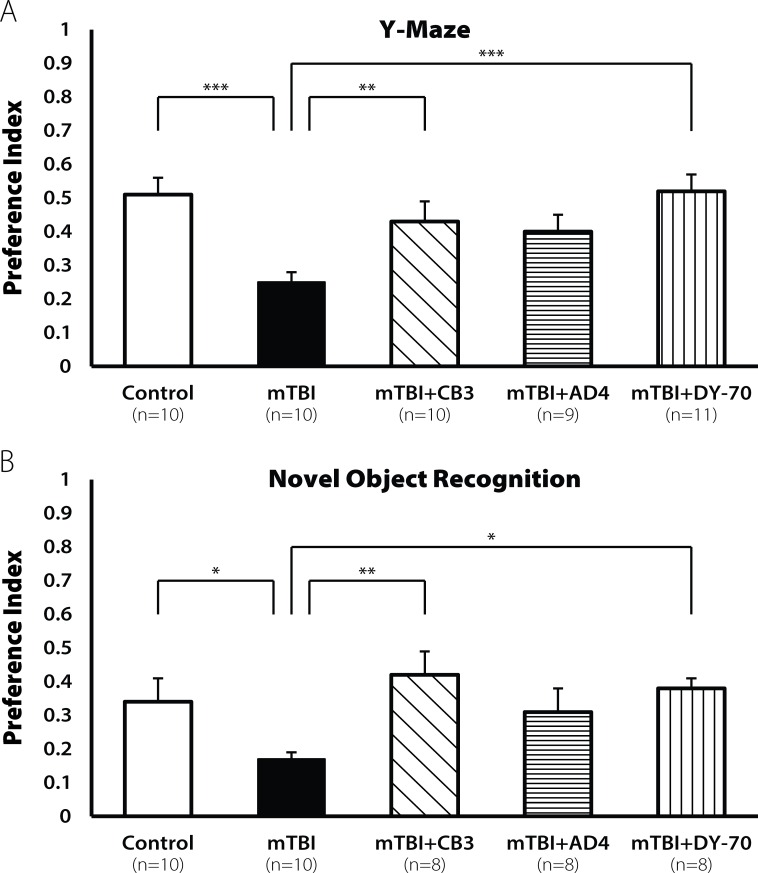
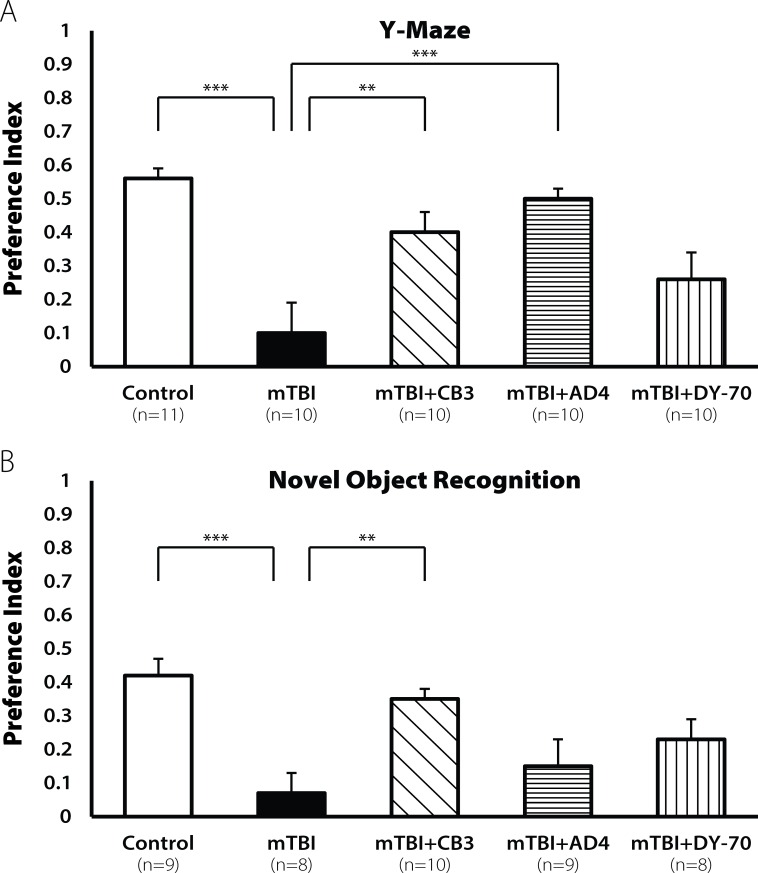
Mild traumatic brain injury (mTBI) is recognized as a common injury among children, sportsmen, and elderly population. mTBI lacks visible objective structural brain damage but patients frequently suffer from long-lasting cognitive, behavioral and emotional difficulties associated with biochemical and cellular changes. Currently there is no effective treatment for patients with mTBI. The thioredoxin reductase/thioredoxin pathway (TrxR/Trx1) has both anti-inflammatory and anti-oxidative properties. If the system is compromised, Trx1 remains oxidized and triggers cell death via an ASK1-Trx1 signal transduction mechanism. We previously showed tri and tetra peptides which were derived from the canonical -CxxC- motif of the Trx1-active site, called thioredoxin mimetic (TXM) peptides, reversed inflammatory and oxidative stress damage mimicking Trx1 activity. Here, TXM-peptides were examined for protecting cognitive function following weight drop closed-head injury in a mouse model of mTBI. TXM-CB3 (AcCys-Pro-CysNH2), TXM-CB13 (DY-70; AcCys-Met-Lys-CysNH2) or AD4 (ACysNH2) were administered at 50 mg/kg, 60 min after injury and cognitive performance was monitored by the novel-object-recognition and Y-maze tests. Behavioral deficits subsequent to mTBI injury were reversed by a single dose of TXM-CB3, TXM-CB13 and, to a lesser extent, by AD4. TXM-CB13 similar to TXM-CB3 and AD4 reversed oxidative stress-induced phosphorylation of mitogen-activated kinases, p38MAPK and c-Jun N-terminal kinase, (JNK) in human neuronal SH-SY5Y cells. We conclude that significantly improved cognitive behavior post mTBI by the TXM-peptides could result from anti-apoptotic, and/or anti-inflammatory activities. Future preclinical studies are required to establish the TXM-peptides as potential therapeutic drugs for brain injuries.
轻度创伤性脑损伤(mTBI)在儿童、运动员和老年人群中被认为是一种常见损伤。mTBI缺乏可见的客观脑结构损伤,但患者经常遭受与生化和细胞变化相关的长期认知、行为和情感困难。目前,对于mTBI患者尚无有效治疗方法。硫氧还蛋白还原酶/硫氧还蛋白途径(TrxR/Trx1)具有抗炎和抗氧化特性。如果该系统受损,Trx1会保持氧化状态,并通过ASK1-Trx1信号转导机制触发细胞死亡。我们之前表明,源自Trx1活性位点典型-CxxC-基序的三肽和四肽,即硫氧还蛋白模拟(TXM)肽,可逆转模拟Trx1活性的炎症和氧化应激损伤。在此,我们在mTBI小鼠模型中研究了TXM肽对体重下降所致闭合性颅脑损伤后认知功能的保护作用。在损伤后60分钟,以50mg/kg的剂量给予TXM-CB3(AcCys-Pro-CysNH2)、TXM-CB13(DY-70;AcCys-Met-Lys-CysNH2)或AD4(ACysNH2),并通过新物体识别和Y迷宫试验监测认知表现。mTBI损伤后的行为缺陷可被单剂量的TXM-CB3、TXM-CB13逆转,AD4的逆转作用较小。与TXM-CB3和AD4类似,TXM-CB13可逆转人神经母细胞瘤SH-SY5Y细胞中氧化应激诱导的丝裂原活化蛋白激酶p38MAPK和c-Jun氨基末端激酶(JNK)的磷酸化。我们得出结论,TXM肽显著改善mTBI后的认知行为可能是由于其抗凋亡和/或抗炎活性。未来需要进行临床前研究,以确定TXM肽作为脑损伤潜在治疗药物的地位。