Leatham-Jensen Mary P, Mokszycki Matthew E, Rowley David C, Deering Robert, Camberg Jodi L, Sokurenko Evgeni V, Tchesnokova Veronika L, Frimodt-Møller Jakob, Krogfelt Karen A, Leth Nielsen Karen, Frimodt-Møller Niels, Sun Gongqin, Cohen Paul S
Department of Cell and Molecular Biology, University of Rhode Island, Kingston, Rhode Island, USA.
Department of Biomedical and Pharmaceutical Sciences, University of Rhode Island, Kingston, Rhode Island, USA.
mSphere. 2016 Jan 20;1(1). doi: 10.1128/mSphere.00055-15. eCollection 2016 Jan-Feb.
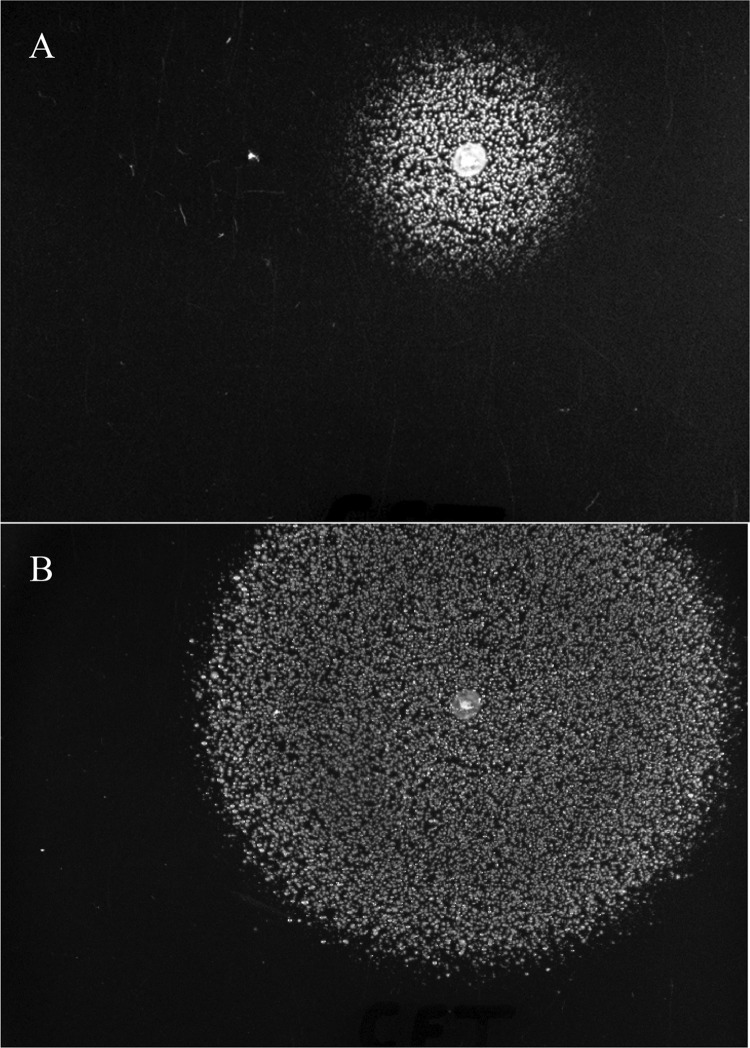
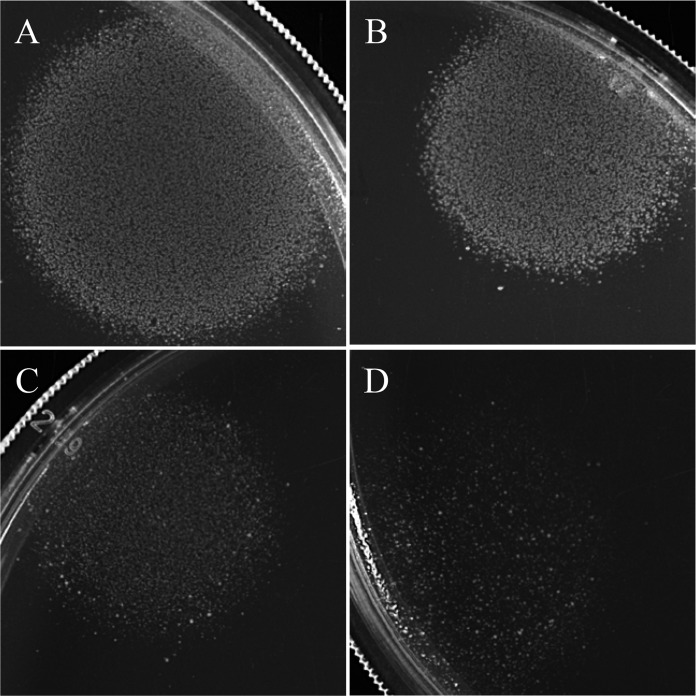
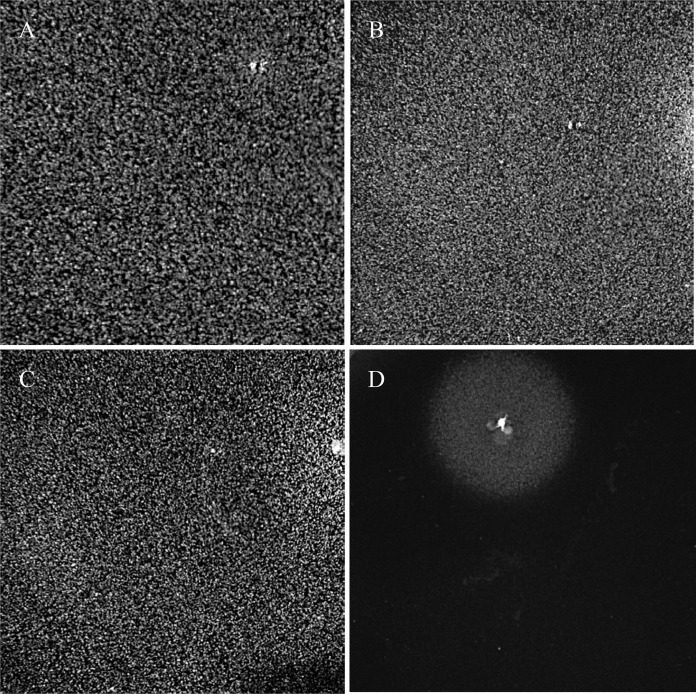
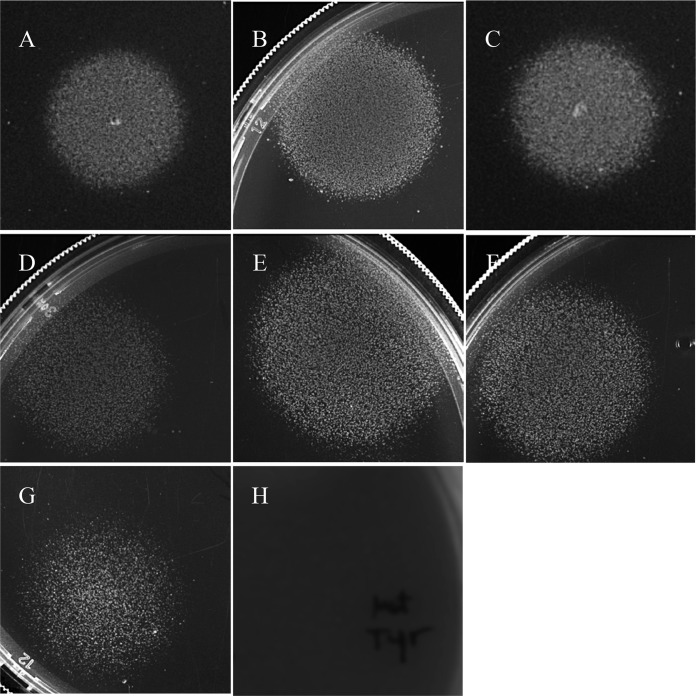
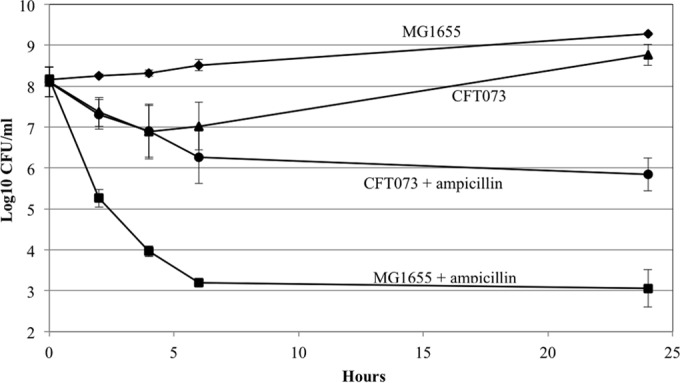
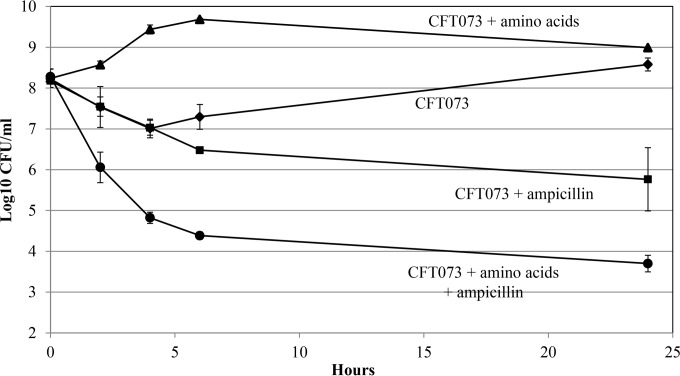
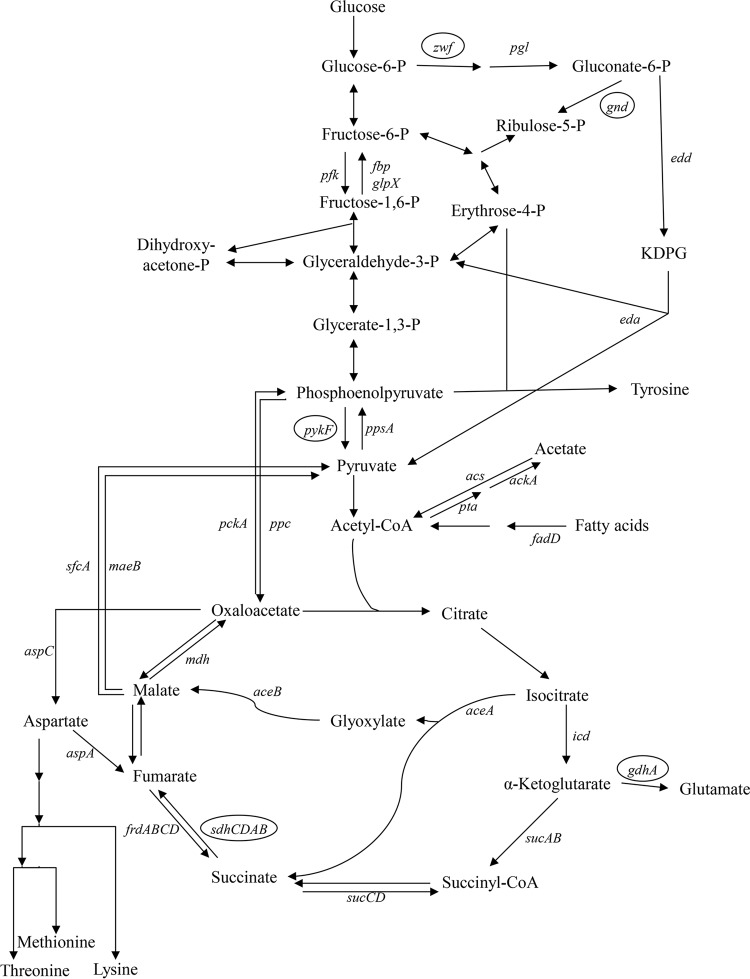
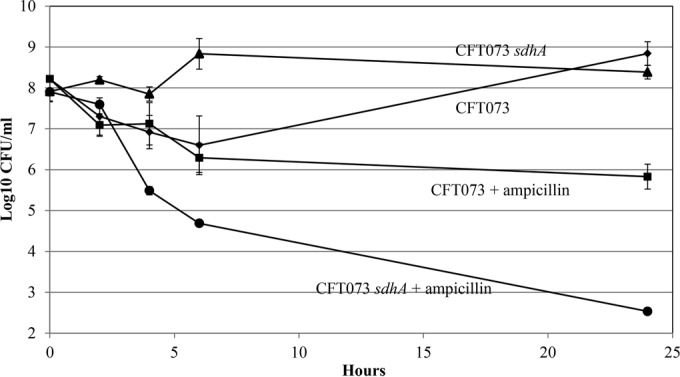
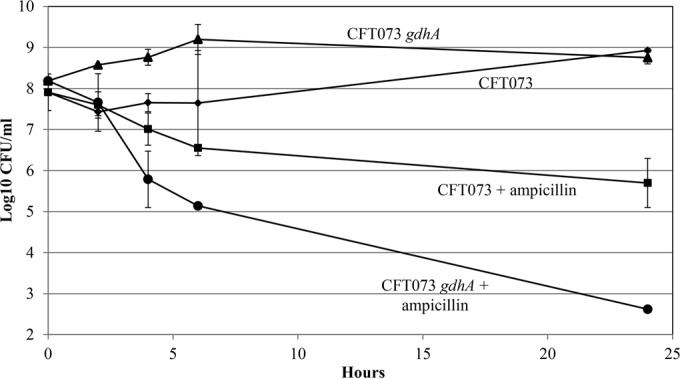
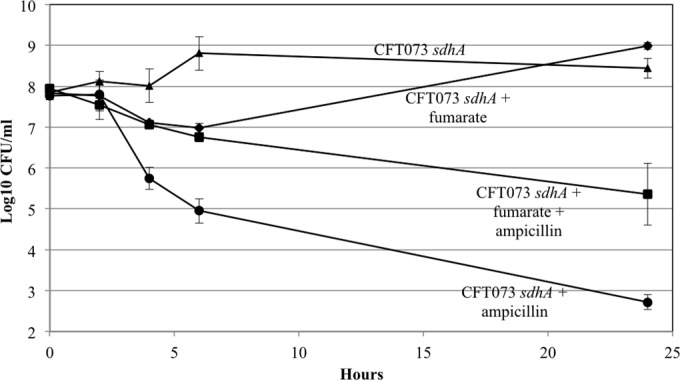
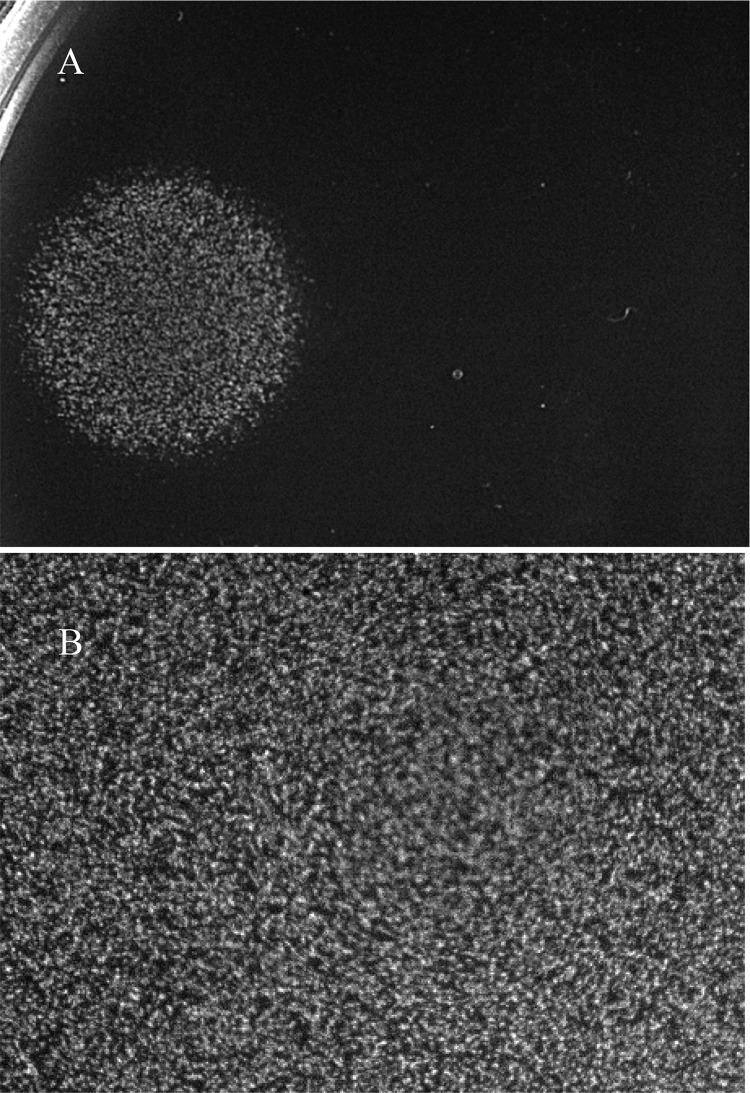
In the present study, it is shown that although Escherichia coli CFT073, a human uropathogenic (UPEC) strain, grows in liquid glucose M9 minimal medium, it fails to grow on glucose M9 minimal medium agar plates seeded with ≤10(6) CFU. The cells on glucose plates appear to be in a "quiescent" state that can be prevented by various combinations of lysine, methionine, and tyrosine. Moreover, the quiescent state is characteristic of ~80% of E. coli phylogenetic group B2 multilocus sequence type 73 strains, as well as 22.5% of randomly selected UPEC strains isolated from community-acquired urinary tract infections in Denmark. In addition, E. coli CFT073 quiescence is not limited to glucose but occurs on agar plates containing a number of other sugars and acetate as sole carbon sources. It is also shown that a number of E. coli CFT073 mini-Tn5 metabolic mutants (gnd, gdhA, pykF, sdhA, and zwf) are nonquiescent on glucose M9 minimal agar plates and that quiescence requires a complete oxidative tricarboxylic acid (TCA) cycle. In addition, evidence is presented that, although E. coli CFT073 quiescence and persistence in the presence of ampicillin are alike in that both require a complete oxidative TCA cycle and each can be prevented by amino acids, E. coli CFT073 quiescence occurs in the presence or absence of a functional rpoS gene, whereas maximal persistence requires a nonfunctional rpoS. Our results suggest that interventions targeting specific central metabolic pathways may mitigate UPEC infections by interfering with quiescence and persistence. IMPORTANCE Recurrent urinary tract infections (UTIs) affect 10 to 40% of women. In up to 77% of those cases, the recurrent infections are caused by the same uropathogenic E. coli (UPEC) strain that caused the initial infection. Upon infection of urothelial transitional cells in the bladder, UPEC appear to enter a nongrowing quiescent intracellular state that is thought to serve as a reservoir responsible for recurrent UTIs. Here, we report that many UPEC strains enter a quiescent state when ≤10(6) CFU are seeded on glucose M9 minimal medium agar plates and show that mutations in several genes involved in central carbon metabolism prevent quiescence, as well as persistence, possibly identifying metabolic pathways involved in UPEC quiescence and persistence in vivo.
在本研究中,结果表明,虽然人尿道致病性大肠杆菌(UPEC)菌株大肠杆菌CFT073能在液体葡萄糖M9基本培养基中生长,但在接种了≤10⁶CFU的葡萄糖M9基本培养基琼脂平板上却无法生长。葡萄糖平板上的细胞似乎处于一种“静止”状态,赖氨酸、蛋氨酸和酪氨酸的各种组合可防止这种状态。此外,静止状态是约80%的大肠杆菌系统发育B2群多位点序列类型73菌株以及从丹麦社区获得性尿路感染中分离出的22.5%随机选择的UPEC菌株的特征。此外,大肠杆菌CFT073的静止不限于葡萄糖,在含有许多其他糖类和乙酸盐作为唯一碳源的琼脂平板上也会发生。研究还表明,一些大肠杆菌CFT073迷你Tn5代谢突变体(gnd、gdhA、pykF、sdhA和zwf)在葡萄糖M9基本琼脂平板上不会静止,且静止需要完整的氧化三羧酸(TCA)循环。此外,有证据表明,虽然大肠杆菌CFT073在氨苄青霉素存在下的静止和持续存在有相似之处,即两者都需要完整的氧化TCA循环,且每种情况都可被氨基酸阻止,但大肠杆菌CFT073的静止在有或没有功能性rpoS基因的情况下都会发生,而最大程度的持续存在需要无功能的rpoS。我们的结果表明,针对特定中心代谢途径的干预措施可能通过干扰静止和持续存在来减轻UPEC感染。重要性复发性尿路感染(UTI)影响10%至40%的女性。在高达77%的此类病例中,复发性感染是由导致初始感染的同一尿道致病性大肠杆菌(UPEC)菌株引起的。在感染膀胱中的尿路上皮过渡细胞后,UPEC似乎进入一种不生长的静止细胞内状态,这种状态被认为是导致复发性UTI的储存库。在此,我们报告,当在葡萄糖M9基本培养基琼脂平板上接种≤10⁶CFU时,许多UPEC菌株会进入静止状态,并表明参与中心碳代谢的几个基因的突变可防止静止以及持续存在,这可能确定了UPEC在体内静止和持续存在所涉及的代谢途径。