Gras Airy, Garnatje Teresa, Bonet M Àngels, Carrió Esperança, Mayans Marina, Parada Montse, Rigat Montse, Vallès Joan
Laboratori de Botànica - Unitat associada CSIC, Facultat de Farmàcia, Universitat de Barcelona, Av. Joan XXIII s/n, 08028, Barcelona, Catalonia, Spain.
Institut Botànic de Barcelona (IBB-CSIC-ICUB), Passeig del Migdia s/n. Parc de Montjuïc, 08038, Barcelona, Catalonia, Spain.
J Ethnobiol Ethnomed. 2016 Jun 17;12(1):23. doi: 10.1186/s13002-016-0097-8.
Ethnobotanical academic research, particularly in European industrialised countries, has been, and is, mostly focused on folk uses of food and medicinal plants. Nevertheless, other uses, as may well be supposed, account for a significant portion of these folk uses. In the Catalan linguistic domain, a considerable amount of ethnobotanical work has been produced, but to date almost nothing has been published on these other plant uses.
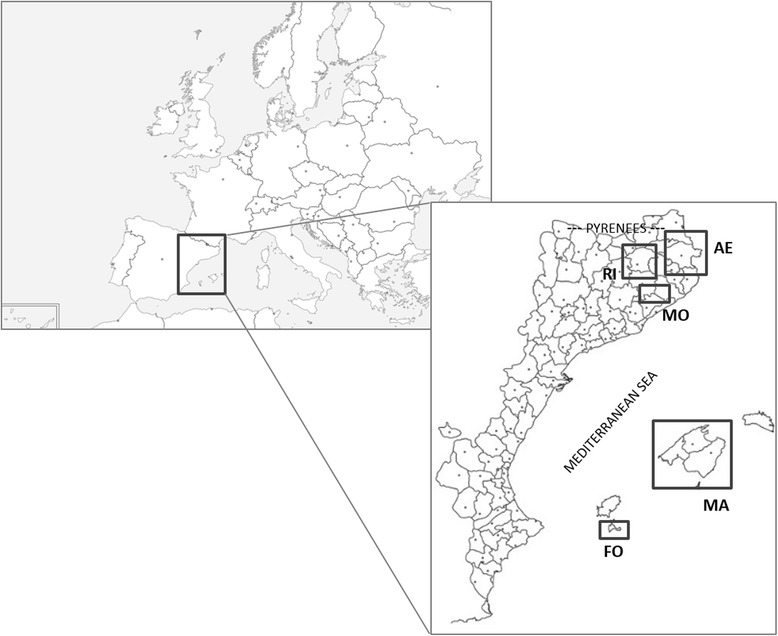
We basically used the method of semistructured interviews to collect data on names, knowledge and use of plants in the above-mentioned fields from 759 informants in three Catalonian (Alt Empordà, Montseny and Ripollès) and two Balearic (Formentera and Mallorca) areas. We identified the plants quoted by the informants and prepared herbarium vouchers. We analysed and compared the results obtained.
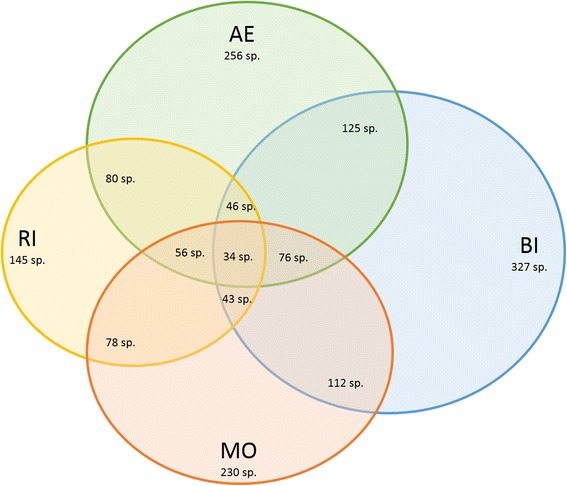
Information has been collected on 401 genera, 552 species, 81 subspecies and four varieties, belonging to 122 families, totalling 4137 use reports for popular non-food and non-medicinal uses (classified in 14 modalities), and designated with 1303 folk Catalan names. The informant consensus factor is 0.87, accounting for a consistent and robust dataset.
Contrarily to what could be thought a priori, and irrespective of the fact that some uses are declining or changing, non-medicinal and non-food folk plant uses strongly persist in the territories considered, are highly considered by their practitioners, and may even imply some economic revenues.
民族植物学学术研究,尤其是在欧洲工业化国家,过去和现在大多聚焦于食用和药用植物的民间用途。然而,可以想见,其他用途在这些民间用途中占了很大一部分。在加泰罗尼亚语地区,已经开展了大量的民族植物学研究工作,但迄今为止,关于这些植物的其他用途几乎没有发表过任何文章。
我们主要采用半结构化访谈的方法,从加泰罗尼亚的三个地区(阿尔特普拉德、蒙特塞尼和里波列斯)以及巴利阿里群岛的两个地区(福门特拉和马略卡)的759名受访者那里收集有关上述领域植物的名称、知识和用途的数据。我们确定了受访者提到的植物,并制作了标本凭证。我们对所得结果进行了分析和比较。
已收集到关于401个属、552个种、81个亚种和4个变种的信息,这些植物属于122个科,共有4137份关于非食用和非药用民间用途的报告(分为14种形式),并用1303个加泰罗尼亚语民间名称进行了标注。受访者共识因子为0.87,表明数据集一致且可靠。
与先验的想法相反,尽管有些用途正在减少或改变,但在上述地区,非药用和非食用的民间植物用途仍然强烈存在,并受到从业者的高度重视,甚至可能带来一些经济收益。