Humayun M Z, Chambers R W
Proc Natl Acad Sci U S A. 1978 Feb;75(2):774-8. doi: 10.1073/pnas.75.2.774.
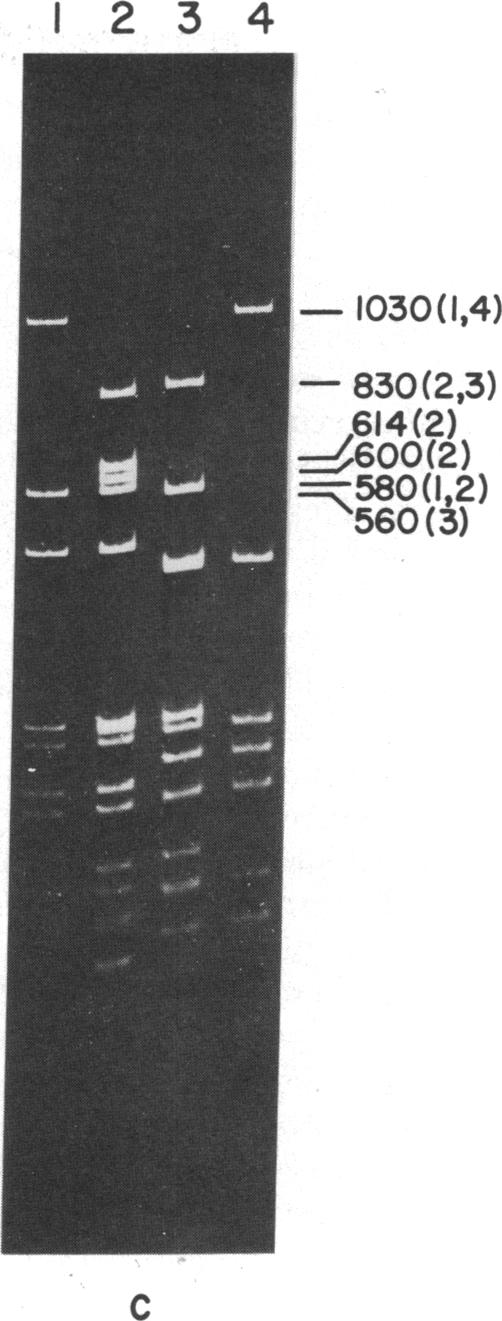
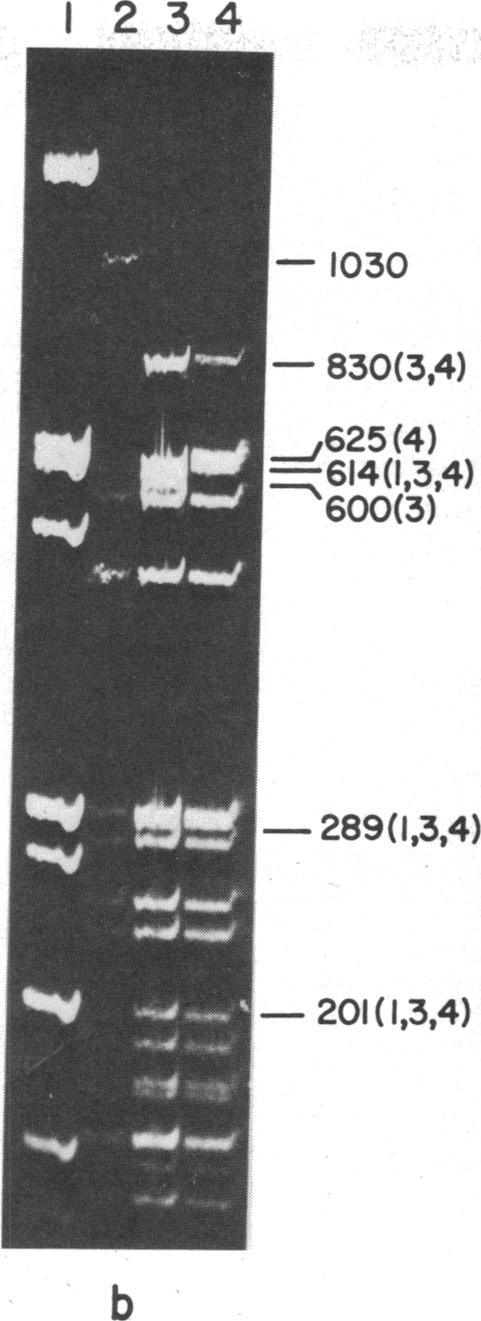
In order to study the mutagenic effects of site-specific, covalent modifications of biologically active DNA, we need host cells that are permissive for any type of mutation that might be produced in vivo from the modified DNA. Specifically, we require a general, in vivo complementation system for the bacteriophage phiX174 gene G, an essential gene that we have chosen for our initial studies of chemical mutagenesis. Toward this end, we have constructed a plasmid (pphiXG) that carries a functional copy of phiX174 gene G. Three different bacterial strains that are nonpermissive for am9, a gene G amber mutant, have been transformed with pphiXG. The transformants are now permissive for this gene G mutant, but not for the gene A or E mutants that have been tested. This paper describes the construction and the biochemical characterization of this plasmid, pphiXG, and describes some of the biological properties exhibited by the pphiXG-bearing strains.
为了研究生物活性DNA的位点特异性共价修饰的诱变效应,我们需要宿主细胞,这些细胞对于修饰后的DNA在体内可能产生的任何类型的突变都是允许的。具体而言,我们需要一种针对噬菌体phiX174基因G的通用体内互补系统,该基因是一个必需基因,我们已选择它用于化学诱变的初步研究。为此,我们构建了一个携带phiX174基因G功能拷贝的质粒(pphiXG)。三种对am9(基因G琥珀突变体)不允许的不同细菌菌株已用pphiXG进行了转化。这些转化体现在对该基因G突变体是允许的,但对已测试的基因A或E突变体则不允许。本文描述了该质粒pphiXG的构建和生化特性,并描述了携带pphiXG的菌株所表现出的一些生物学特性。