Department of Oncology, Lombardi Comprehensive Cancer Center, Georgetown University, Washington, DC, USA.
Departament of Food and Experimental Nutrition, Faculty of Pharmaceutical Sciences, University of São Paulo and Food Research Center, São Paulo, SP, Brazil.
Sci Rep. 2016 Jun 24;6:28602. doi: 10.1038/srep28602.
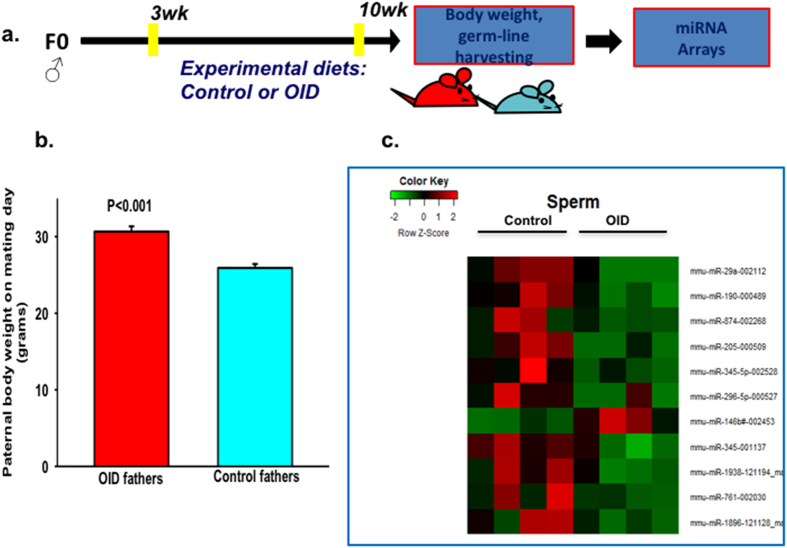
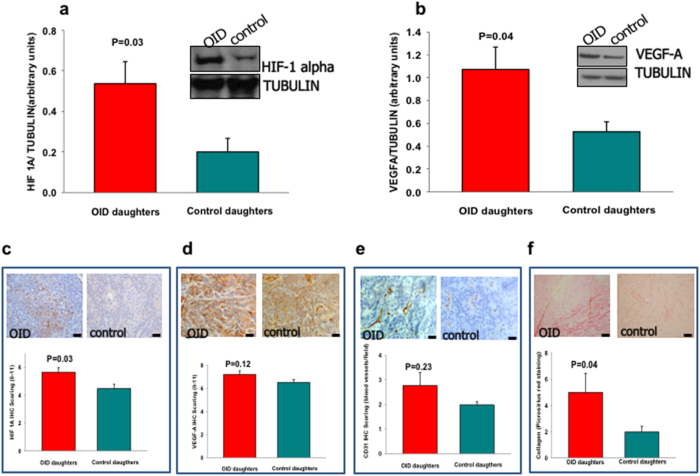
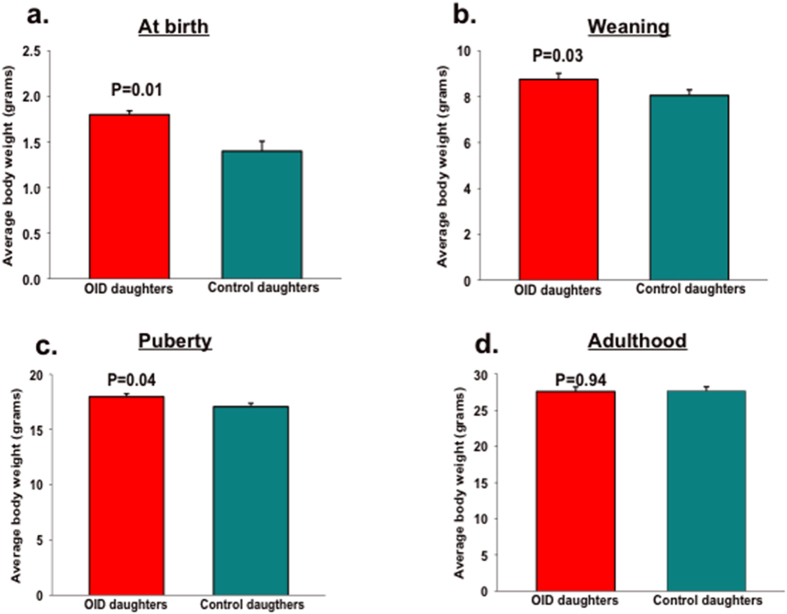
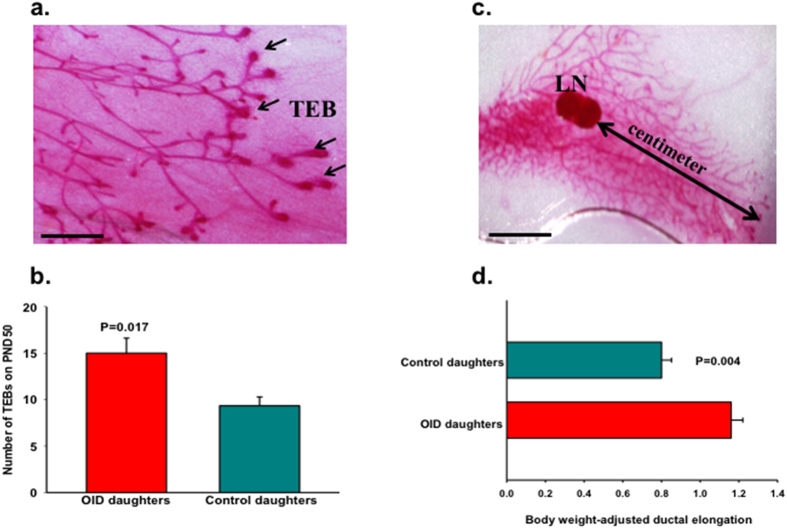
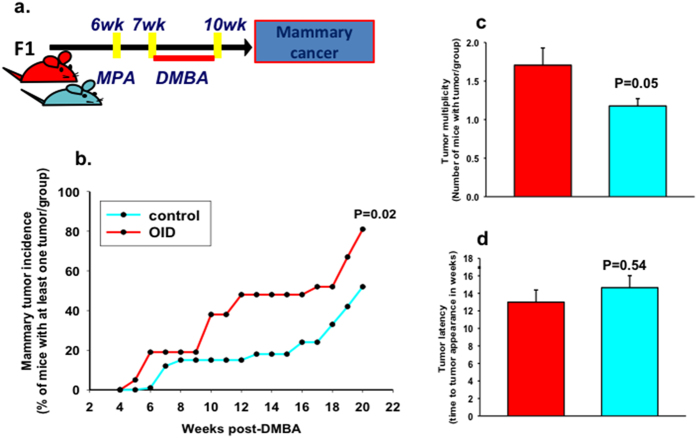
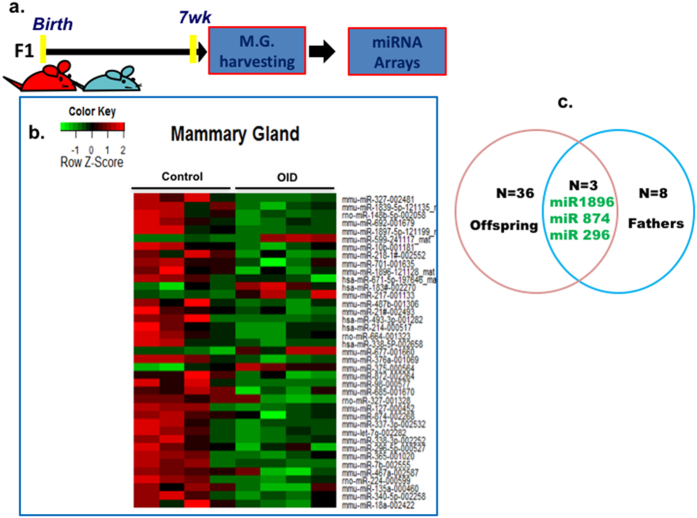
While many studies have shown that maternal weight and nutrition in pregnancy affects offspring's breast cancer risk, no studies have investigated the impact of paternal body weight on daughters' risk of this disease. Here, we show that diet-induced paternal overweight around the time of conception can epigenetically reprogram father's germ-line and modulate their daughters' birth weight and likelihood of developing breast cancer, using a mouse model. Increased body weight was associated with changes in the miRNA expression profile in paternal sperm. Daughters of overweight fathers had higher rates of carcinogen-induced mammary tumors which were associated with delayed mammary gland development and alterations in mammary miRNA expression. The hypoxia signaling pathway, targeted by miRNAs down-regulated in daughters of overweight fathers, was activated in their mammary tissues and tumors. This study provides evidence that paternal peri-conceptional body weight may affect daughters' mammary development and breast cancer risk and warrants further studies in other animal models and humans.
虽然许多研究表明,孕妇的体重和营养状况会影响后代患乳腺癌的风险,但尚无研究调查父亲的体重对女儿患这种疾病的风险的影响。在这里,我们使用小鼠模型表明,在受孕前后,饮食诱导的父方超重会使父方生殖系发生表观遗传重编程,并调节其女儿的出生体重和患乳腺癌的可能性。体重增加与父方精子中 miRNA 表达谱的变化有关。超重父亲的女儿患致癌物诱导的乳腺癌的比率更高,这与乳腺发育延迟和乳腺 miRNA 表达改变有关。miRNA 下调的靶向缺氧信号通路在超重父亲的女儿的乳腺组织和肿瘤中被激活。这项研究为父方孕前体重可能影响女儿的乳腺发育和乳腺癌风险提供了证据,并需要在其他动物模型和人类中进一步研究。