Akeju David O, Oladapo Olufemi T, Vidler Marianne, Akinmade Adepoju A, Sawchuck Diane, Qureshi Rahat, Solarin Muftaut, Adetoro Olalekan O, von Dadelszen Peter
Department of Sociology, University of Lagos, Lagos, Nigeria.
UNDP/UNFPA/UNICEF/WHO/World Bank Special Programme of Research, Development and Research Training in Human Reproduction (HRP), Department of Reproductive Health and Research, World Health Organization, Geneva, Switzerland.
Reprod Health. 2016 Jun 8;13 Suppl 1(Suppl 1):32. doi: 10.1186/s12978-016-0139-7.
In Nigeria, women too often suffer the consequences of serious obstetric complications that may lead to death. Delay in seeking care (phase I delay) is a recognized contributor to adverse pregnancy outcomes. This qualitative study aimed to describe the health care seeking practices in pregnancy, as well as the socio-cultural factors that influence these actions.
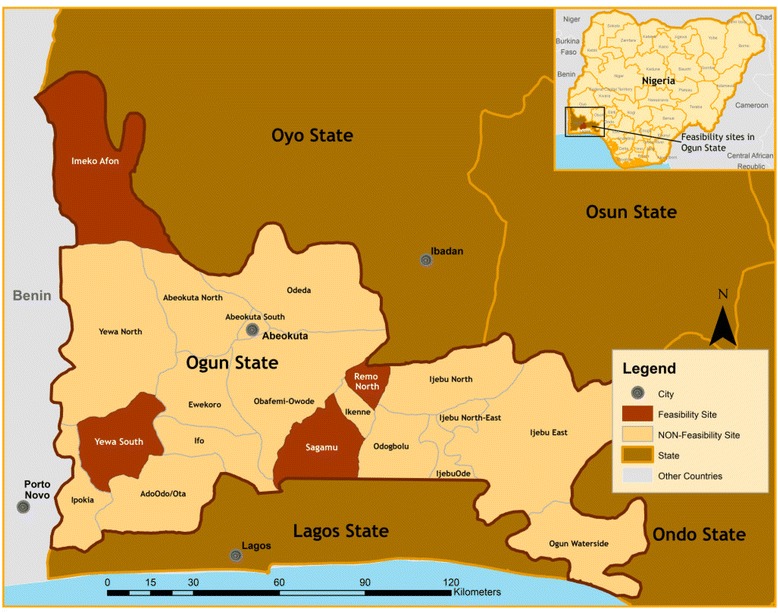
The study was conducted in Ogun State, in south-western Nigeria. Data were collected through focus group discussions with pregnant women, recently pregnant mothers, male decision-makers, opinion leaders, traditional birth attendants, health workers, and health administrators. A thematic analysis approach was used with QSR NVivo version 10.
Findings show that women utilized multiple care givers during pregnancy, with a preference for traditional providers. There was a strong sense of trust in traditional medicine, particularly that provided by traditional birth attendants who are long-term residents in the community. The patriarchal c influenced health-seeking behaviour in pregnancy. Economic factors contributed to the delay in access to appropriate services. There was a consistent concern regarding the cost barrier in accessing health services. The challenges of accessing services were well recognised and these were greater when referral was to a higher level of care which in most cases attracted unaffordable costs.
While the high cost of care is a deterrent to health seeking behaviour, the cost of death of a woman or a child to the family and community is immeasurable. The use of innovative mechanisms for health care financing may be beneficial for women in these communities to reduce the barrier of high cost services. To reduce maternal deaths all stakeholders must be engaged in the process including policy makers, opinion leaders, health care consumers and providers. Underlying socio-cultural factors, such as structure of patriarchy, must also be addressed to sustainably improve maternal health.
NCT01911494.
在尼日利亚,女性常常承受严重产科并发症带来的后果,这些并发症可能导致死亡。寻求医疗护理的延迟(第一阶段延迟)是公认的不良妊娠结局的一个因素。这项定性研究旨在描述孕期寻求医疗护理的行为,以及影响这些行为的社会文化因素。
该研究在尼日利亚西南部的奥贡州进行。通过与孕妇、刚生产的母亲、男性决策者、意见领袖、传统接生员、医护人员和卫生管理人员进行焦点小组讨论来收集数据。采用主题分析法,并使用QSR NVivo 10版本。
研究结果表明,女性在孕期会求助于多个护理提供者,尤其偏爱传统医疗提供者。人们对传统医学,特别是由长期居住在社区的传统接生员提供的传统医学,有着强烈的信任感。父权制影响了孕期的就医行为。经济因素导致获得适当服务的延迟。人们一直担心获得医疗服务存在费用障碍。获得服务面临的挑战得到了充分认识,而当转诊到更高水平的医疗机构时,这些挑战更大,在大多数情况下,这会带来难以承受的费用。
虽然高昂的医疗费用阻碍了人们寻求医疗护理的行为,但对家庭和社区而言,妇女或儿童死亡的代价是无法估量的。采用创新的医疗融资机制可能有利于这些社区的妇女减少高昂医疗服务的障碍。为了降低孕产妇死亡率,所有利益相关者都必须参与这一过程,包括政策制定者、意见领袖、医疗消费者和提供者。潜在的社会文化因素,如父权制结构,也必须加以解决,以可持续地改善孕产妇健康状况。
NCT01911494。