Institute of Biological Chemistry, Academia Sinica, Taipei 11529, Taiwan.
Department of Life Sciences, National Chung Hsing University, Taichung 40227, Taiwan.
Sci Rep. 2016 Jun 30;6:29013. doi: 10.1038/srep29013.
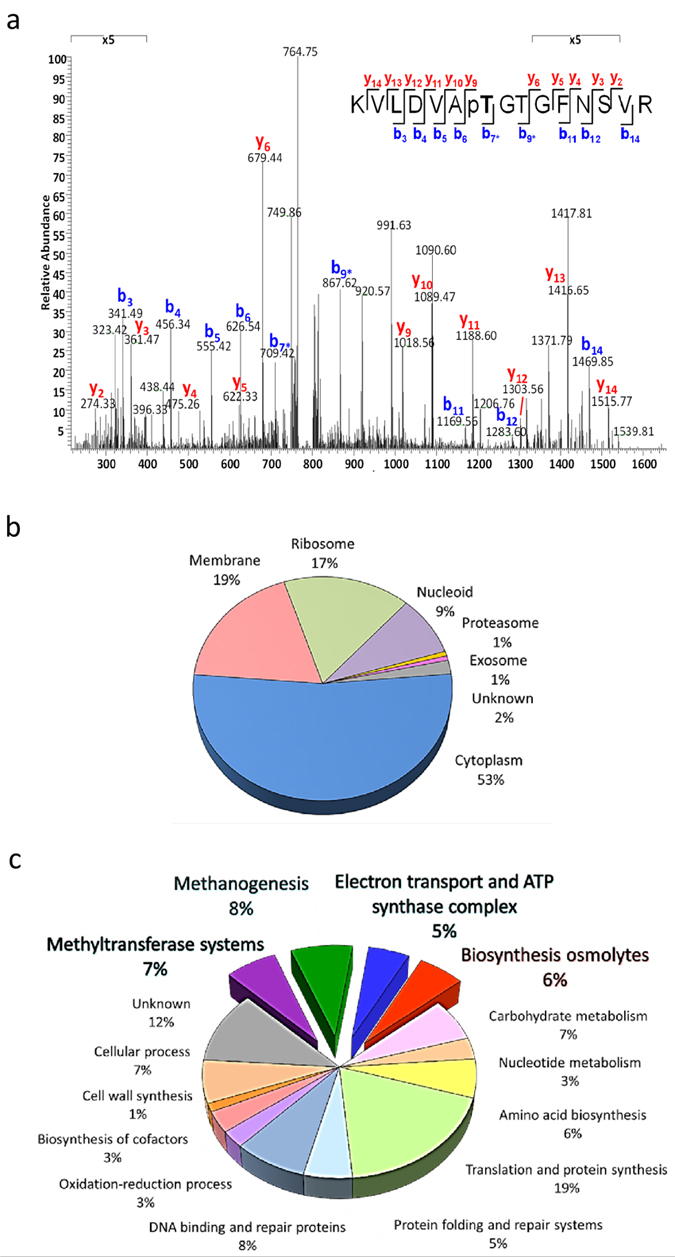
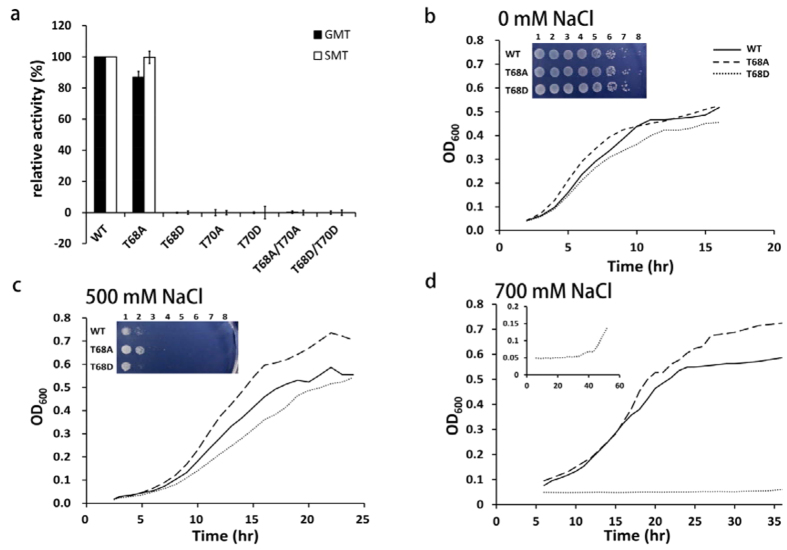
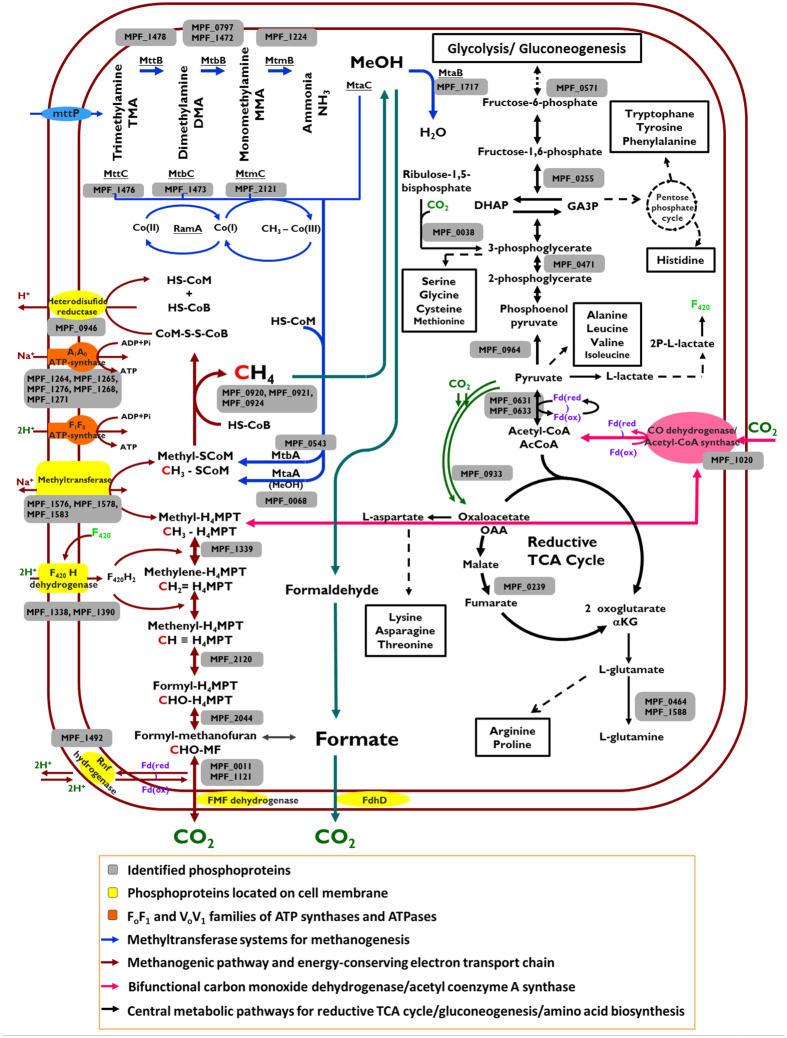
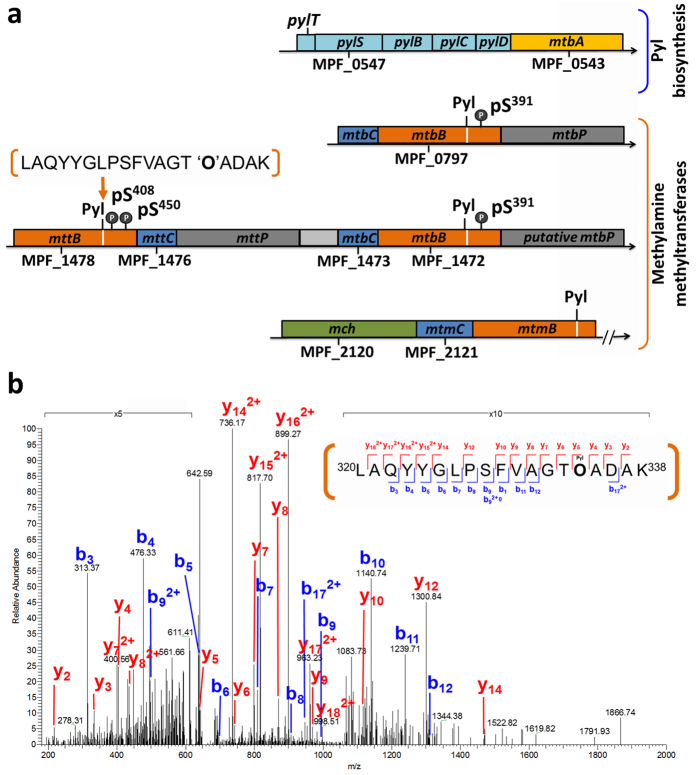
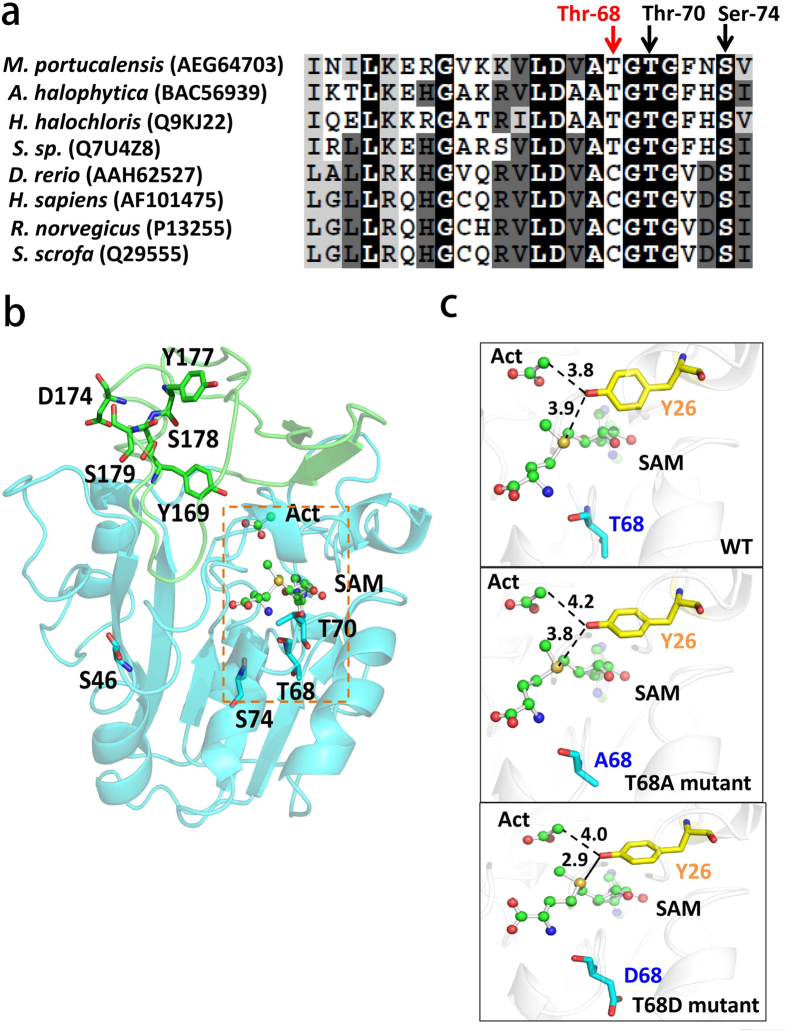
Methanogens have gained much attention for their metabolic product, methane, which could be an energy substitute but also contributes to the greenhouse effect. One factor that controls methane emission, reversible protein phosphorylation, is a crucial signaling switch, and phosphoproteomics has become a powerful tool for large-scale surveying. Here, we conducted the first phosphorylation-mediated regulation study in halophilic Methanohalophilus portucalensis FDF1(T), a model strain for studying stress response mechanisms in osmoadaptation. A shotgun approach and MS-based analysis identified 149 unique phosphoproteins. Among them, 26% participated in methanogenesis and osmolytes biosynthesis pathways. Of note, we uncovered that protein phosphorylation might be a crucial factor to modulate the pyrrolysine (Pyl) incorporation and Pyl-mediated methylotrophic methanogenesis. Furthermore, heterologous expression of glycine sarcosine N-methyltransferase (GSMT) mutant derivatives in the osmosensitive Escherichia coli MKH13 revealed that the nonphosphorylated T68A mutant resulted in increased salt tolerance. In contrast, mimic phosphorylated mutant T68D proved defective in both enzymatic activity and salinity tolerance for growth. Our study provides new insights into phosphorylation modification as a crucial role of both methanogenesis and osmoadaptation in methanoarchaea, promoting biogas production or reducing future methane emission in response to global warming and climate change.
产甲烷菌因其代谢产物甲烷而受到广泛关注,甲烷可以作为能源替代品,但也会导致温室效应。控制甲烷排放的一个因素是可逆的蛋白质磷酸化,这是一种关键的信号开关,磷酸蛋白质组学已成为大规模调查的有力工具。在这里,我们对嗜盐产甲烷菌 Methanohalophilus portucalensis FDF1(T)进行了首次磷酸化介导的调控研究,该菌株是研究渗透压适应中应激反应机制的模式菌株。一种鸟枪法方法和基于 MS 的分析鉴定出 149 种独特的磷酸化蛋白。其中,26%的蛋白参与了甲烷生成和渗透剂生物合成途径。值得注意的是,我们发现蛋白质磷酸化可能是调节吡咯赖氨酸(Pyl)掺入和 Pyl 介导的甲基营养型甲烷生成的关键因素。此外,在渗透压敏感的大肠杆菌 MKH13 中异源表达甘氨酸肌氨酸 N-甲基转移酶(GSMT)突变衍生物表明,非磷酸化的 T68A 突变体导致耐盐性增加。相比之下,模拟磷酸化突变体 T68D 在酶活性和耐盐性方面均存在缺陷,无法生长。我们的研究为磷酸化修饰作为甲烷古菌甲烷生成和渗透压适应的关键作用提供了新的见解,有助于沼气生产或减少未来因全球变暖和气候变化而导致的甲烷排放。