Bains Rasneer S, Cater Heather L, Sillito Rowland R, Chartsias Agisilaos, Sneddon Duncan, Concas Danilo, Keskivali-Bond Piia, Lukins Timothy C, Wells Sara, Acevedo Arozena Abraham, Nolan Patrick M, Armstrong J Douglas
Mary Lyon Centre, Medical Research Council Harwell Oxfordshire, UK.
Actual Analytics Ltd Edinburgh, UK.
Front Behav Neurosci. 2016 Jun 10;10:106. doi: 10.3389/fnbeh.2016.00106. eCollection 2016.
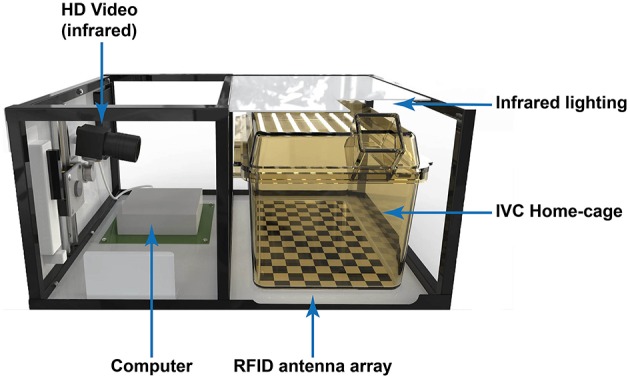
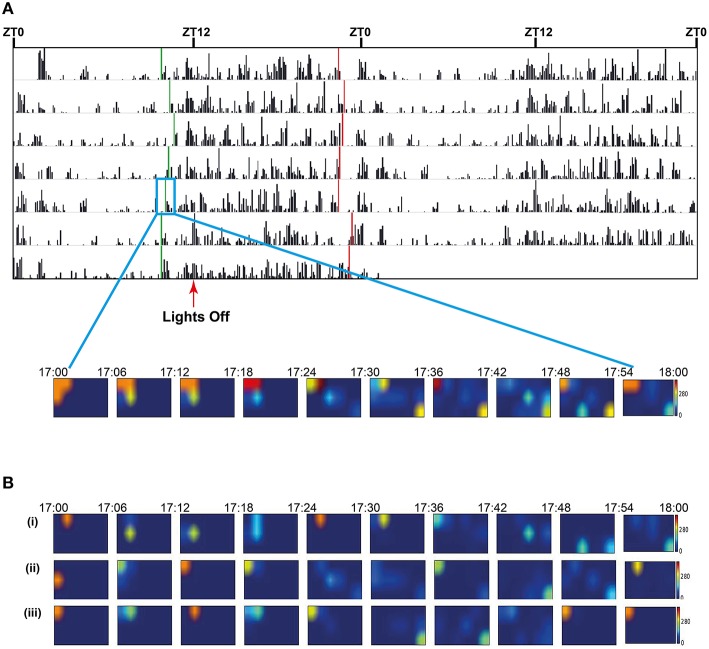
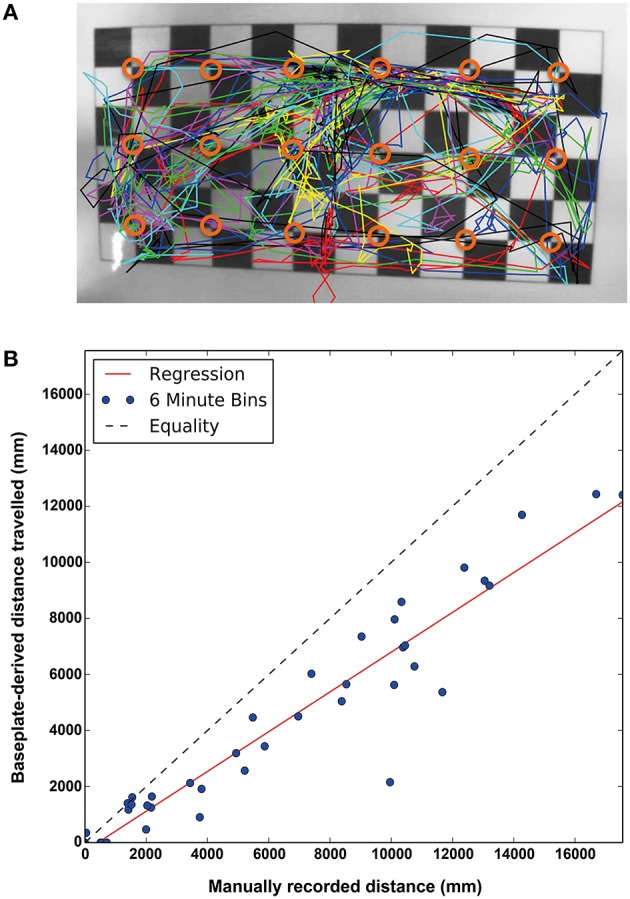
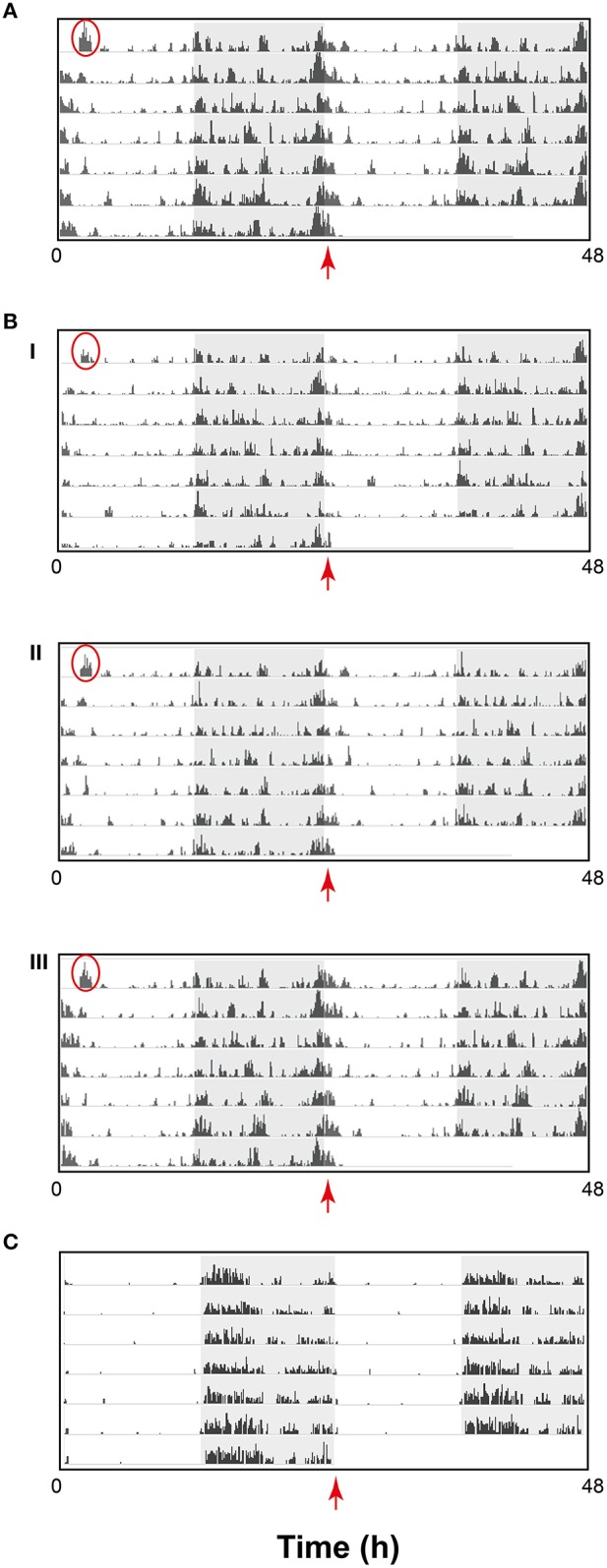
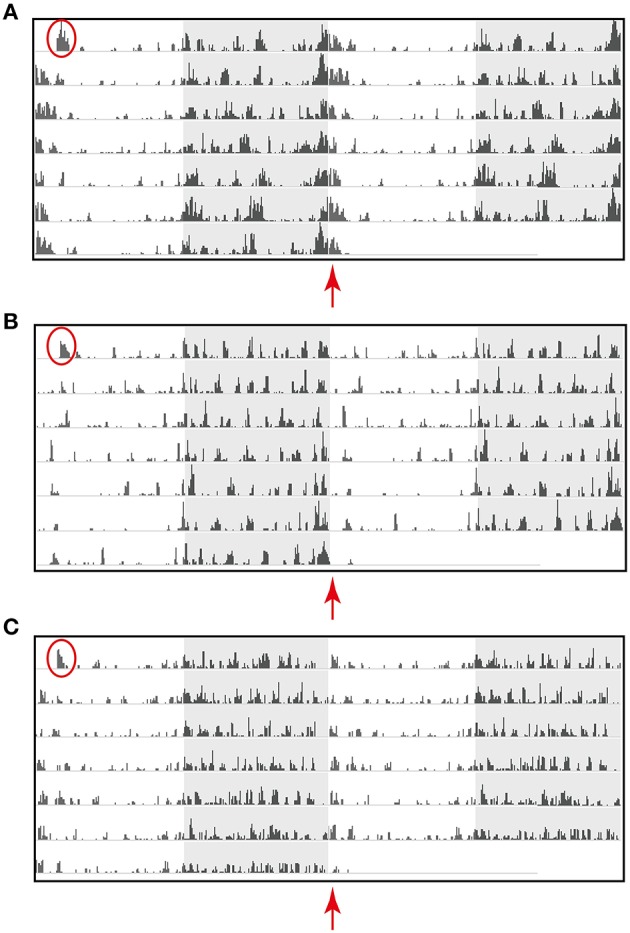
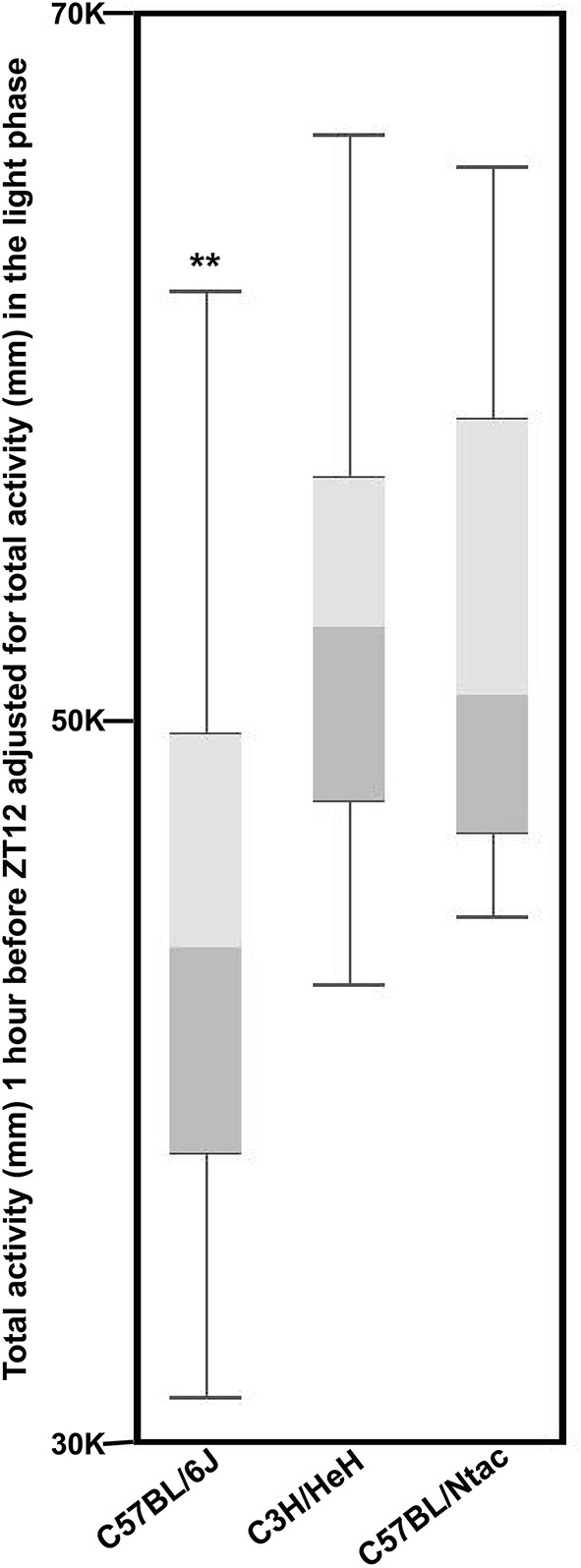
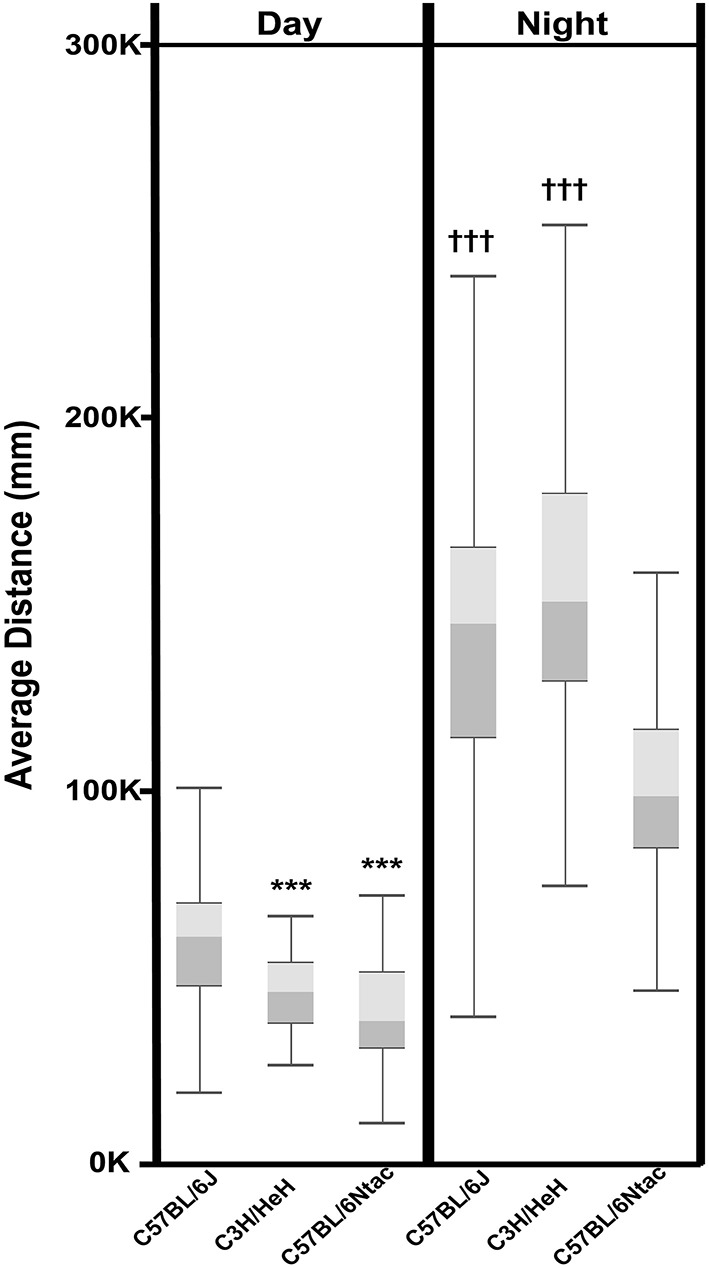
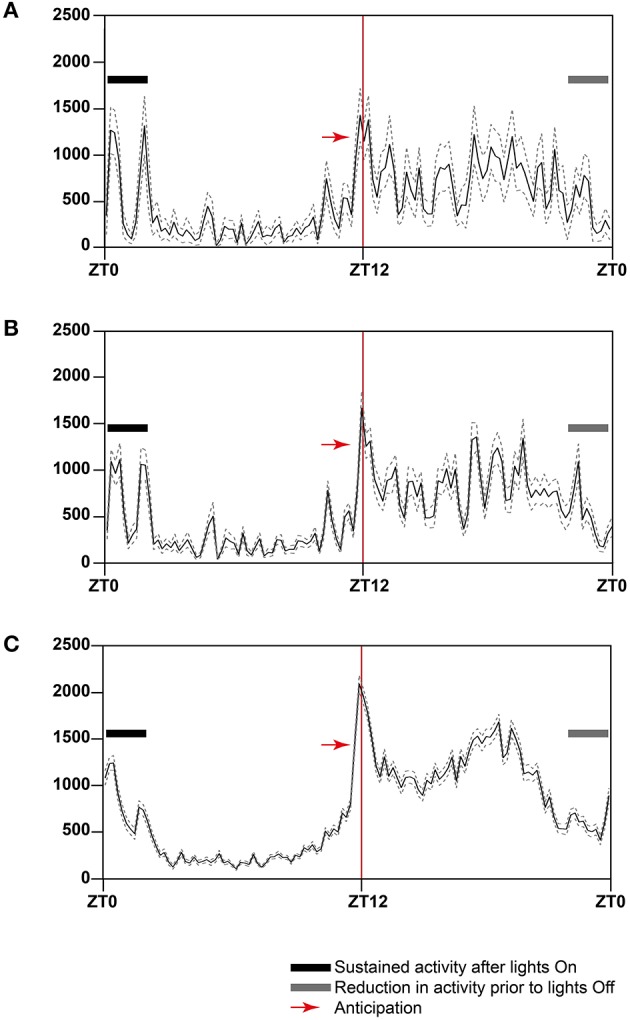
Central nervous system disorders such as autism as well as the range of neurodegenerative diseases such as Huntington's disease are commonly investigated using genetically altered mouse models. The current system for characterizing these mice usually involves removing the animals from their home-cage environment and placing them into novel environments where they undergo a battery of tests measuring a range of behavioral and physical phenotypes. These tests are often only conducted for short periods of times in social isolation. However, human manifestations of such disorders are often characterized by multiple phenotypes, presented over long periods of time and leading to significant social impacts. Here, we have developed a system which will allow the automated monitoring of individual mice housed socially in the cage they are reared and housed in, within established social groups and over long periods of time. We demonstrate that the system accurately reports individual locomotor behavior within the group and that the measurements taken can provide unique insights into the effects of genetic background on individual and group behavior not previously recognized.
诸如自闭症之类的中枢神经系统疾病以及亨廷顿舞蹈症等一系列神经退行性疾病,通常使用基因改造小鼠模型进行研究。目前用于表征这些小鼠的系统通常涉及将动物从其饲养笼环境中移出,并将它们置于新环境中,在那里它们要接受一系列测试,以测量一系列行为和身体表型。这些测试通常仅在社交隔离的短时间内进行。然而,此类疾病在人类中的表现往往具有多种表型,会在很长一段时间内出现,并产生重大的社会影响。在此,我们开发了一种系统,该系统能够对饲养在其成长和居住的笼子里、处于既定社会群体中且长时间群居的个体小鼠进行自动监测。我们证明,该系统能够准确报告群体内个体的运动行为,并且所进行的测量能够提供关于基因背景对个体和群体行为影响的独特见解,而这些见解是此前未被认识到的。