Parolin Micol, Simonelli Alessandra, Mapelli Daniela, Sacco Marianna, Cristofalo Patrizia
Department of Developmental Psychology and Socialization, University of Padova Padua, Italy.
Department of General Psychology, University of Padova Padua, Italy.
Front Psychol. 2016 Jun 16;7:887. doi: 10.3389/fpsyg.2016.00887. eCollection 2016.
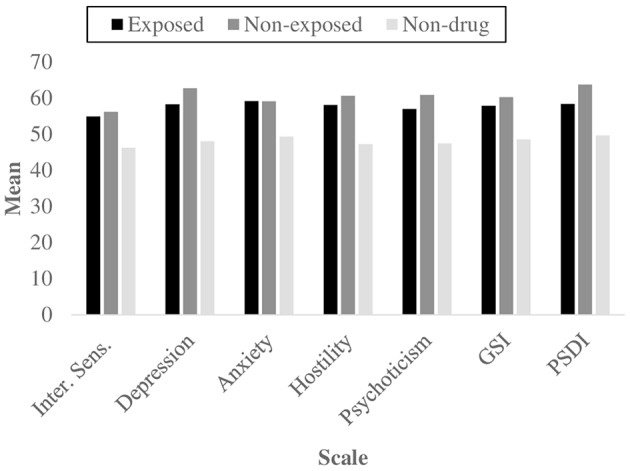
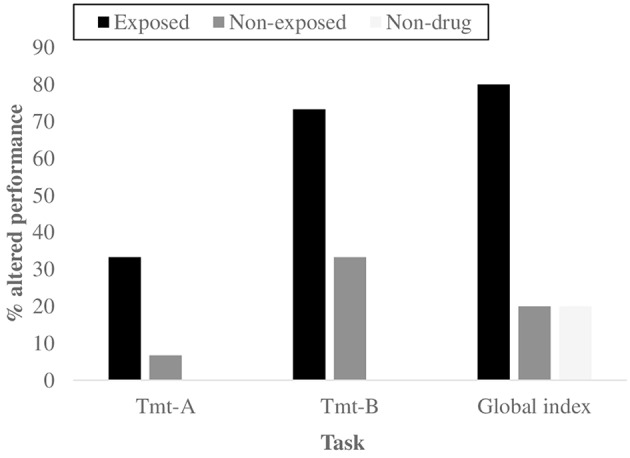
Parental substance use is a major risk factor for child development, heightening the risk of drug problems in adolescence and young adulthood, and exposing offspring to several types of traumatic events. First, prenatal drug exposure can be considered a form of trauma itself, with subtle but long-lasting sequelae at the neuro-behavioral level. Second, parents' addiction often entails a childrearing environment characterized by poor parenting skills, disadvantaged contexts and adverse childhood experiences (ACEs), leading to dysfunctional outcomes. Young adults born from/raised by parents with drug problems and diagnosed with a Substance Used Disorder (SUD) themselves might display a particularly severe condition in terms of cognitive deficits and impaired personality function. This preliminary study aims to investigate the role of early exposure to drugs as a traumatic event, capable of affecting the psychological status of young drug addicts. In particular, it intends to examine the neuropsychological functioning and personality profile of young adults with severe SUDs who were exposed to drugs early in their family context. The research involved three groups, each consisting of 15 young adults (aged 18-24): a group of inpatients diagnosed with SUDs and exposed to drugs early, a comparison group of non-exposed inpatients and a group of non-exposed youth without SUDs. A neuropsychological battery (Esame Neuropsicologico Breve-2), an assessment procedure for personality disorders (Shedler-Westen Assessment Procedure-200) and the Symptom CheckList-90-Revised were administered. According to present preliminary results, young drug addicts exposed to drugs during their developmental age were characterized by elevated rates of neuropsychological impairments, especially at the expense of attentive and executive functions (EF); personality disorders were also common but did not differentiate them from non-exposed youth with SUDs. Alternative multi-focused prevention and intervention programs are needed for children of drug-misusing parents, addressing EF and adopting a trauma-focused approach.
父母使用药物是儿童发育的一个主要风险因素,会增加青少年和青年期出现药物问题的风险,并使后代遭受多种创伤性事件。首先,产前药物暴露本身可被视为一种创伤形式,在神经行为层面具有细微但持久的后遗症。其次,父母的成瘾问题往往导致养育环境的特点是育儿技能差、环境不利和童年不良经历(ACEs),从而产生功能失调的后果。父母有药物问题且自己被诊断为物质使用障碍(SUD)的年轻人,在认知缺陷和人格功能受损方面可能表现出特别严重的状况。这项初步研究旨在调查早期接触药物作为一种创伤性事件所起的作用,这种事件能够影响年轻吸毒者的心理状态。具体而言,它打算研究在家庭环境中早期接触药物的重度SUD年轻成年人的神经心理功能和人格特征。该研究涉及三组,每组由15名年轻成年人(年龄在18 - 24岁之间)组成:一组是被诊断为SUD且早期接触药物的住院患者,一组是未接触药物的住院患者对照组,还有一组是未接触药物且无SUD的青年。实施了一套神经心理测试(简易神经心理测试 - 2)、一种人格障碍评估程序(谢德勒 - 韦斯顿评估程序 - 200)和症状自评量表 - 90修订版。根据目前的初步结果,在发育年龄期间接触药物的年轻吸毒者的特点是神经心理损伤发生率较高,尤其是注意力和执行功能(EF)受损;人格障碍也很常见,但这并未将他们与未接触药物的SUD青年区分开来。对于滥用药物父母的子女,需要替代性的多重点预防和干预项目,解决执行功能问题并采用以创伤为重点的方法。