Ismail Hager Tarek H, Mahboub Heba Hassan H
Department of Clinical Pathology, Faculty of Veterinary Medicine, Zagazig University, Zagazig City, Sharkia Province, Egypt.
Department of Fish Diseases and Management, Faculty of Veterinary Medicine, Zagazig University, Zagazig City, Sharkia Province, Egypt.
Vet World. 2016 Jun;9(6):616-25. doi: 10.14202/vetworld.2016.616-625. Epub 2016 Jun 20.
This study was aimed to evaluate some biochemical, hormonal, hematological, and histopathological changes in Nile tilapia, Oreochromis niloticus, after acute exposure to nonylphenol (NP). In addition to detection of NP residues in the fish, muscle tissues for human health concern.
A total of 90 apparently healthy Nile tilapia, O. niloticus, were randomly divided into three equal groups; each containing 30 fish (three replicates). Groups 1 and 2 kept as a control and solvent control (acetone), respectively, and Group 3 exposed to NP at a dose level of 500 µg/L water for 7 successive days. Blood and tissue samples were collected 2 times randomly from each group after 7 days from fish exposure to NP and 10 days from exposure stopping.
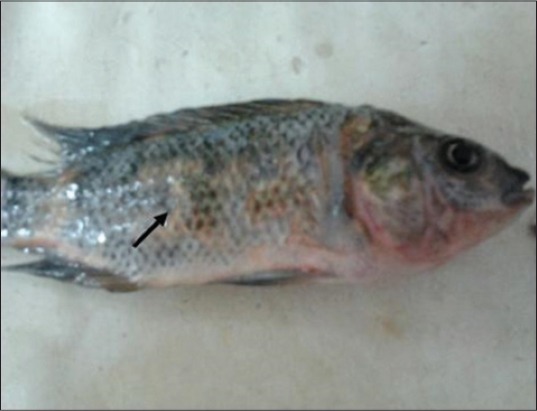
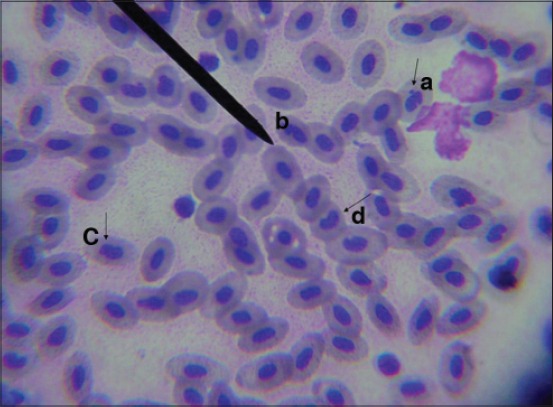
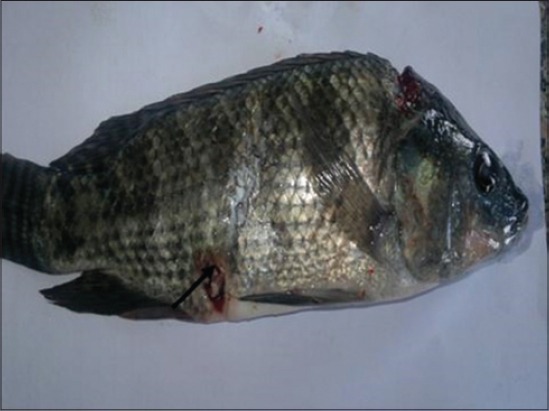
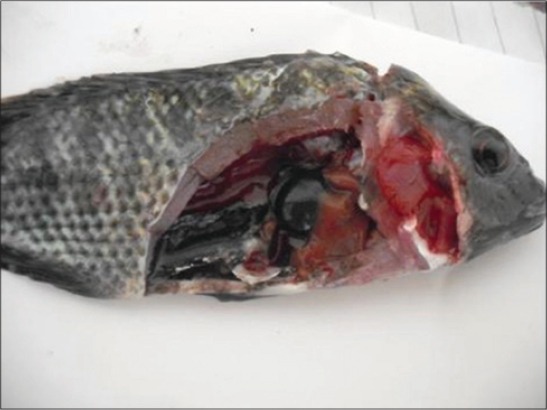
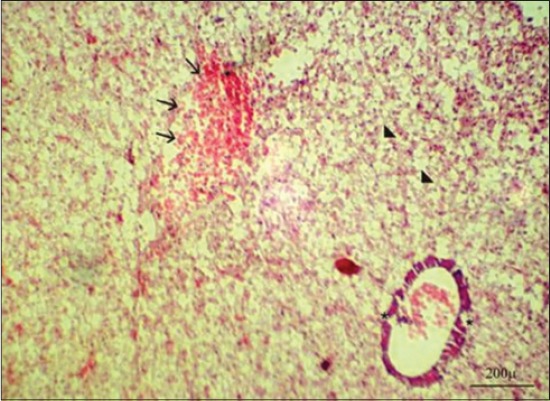
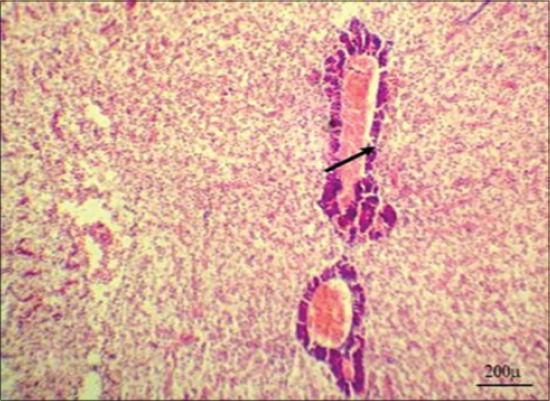
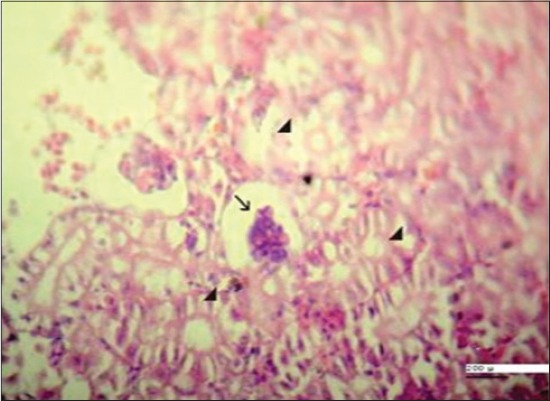
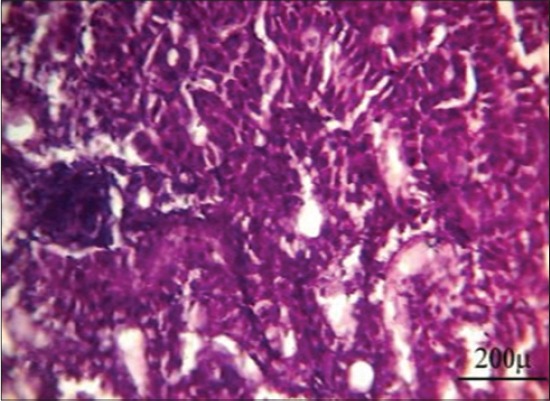
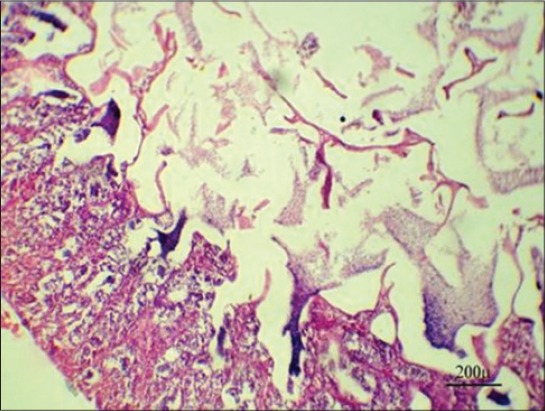
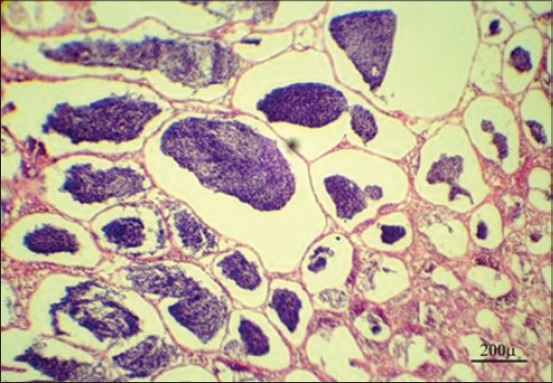
Fish exposed to NP Group 3 showed anorexia, sluggish movement, erythema of the skin, areas of scales loss, and hemorrhagic ulcers in some areas of body region leading to exposing the viscera. Biochemical results revealed a significant increase in serum total proteins and globulins levels, a highly significant increase in serum alanine aminotransferase and aspartate aminotransferase activities, triglycerides, cholesterol, and creatinine levels, insignificant increase in serum uric acid level, and a highly significant decrease in serum testosterone and estradiol-β17 levels in Group 3 in compare with the control group. Histopathological finding confirms these results. While hematological results of the same group revealed a significant increase in red blood cells count and packed cell volume value, insignificant increase in hemoglobin concentration, leukopenia, lymphopenia, and monocytopenia in compared with the control group. All of these changes appeared after 7 days from fish exposure to NP. Most of these alterations returned toward the normal level after 10 days from stopping exposure to NP. NP residues detected in fish muscle tissues of Group 3 during exposure and after stopping exposure to it.
It is concluded that NP is a toxic pollutant and has an adverse effect on fish health and reproduction as well as accumulates in fish muscle tissues which may cause human health hazard.
本研究旨在评估尼罗罗非鱼(Oreochromis niloticus)急性暴露于壬基酚(NP)后在生化、激素、血液学和组织病理学方面的一些变化。此外,还检测了鱼体内NP残留以及与人类健康相关的肌肉组织。
总共90条外观健康的尼罗罗非鱼被随机分为三组,每组30条鱼(三个重复)。第1组和第2组分别作为对照组和溶剂对照组(丙酮),第3组以500 μg/L水的剂量水平连续暴露于NP 7天。在鱼暴露于NP 7天后以及停止暴露10天后,从每组中随机采集两次血液和组织样本。
暴露于NP的第3组鱼出现厌食、活动迟缓、皮肤红斑、鳞片脱落区域以及身体某些部位的出血性溃疡,导致内脏暴露。生化结果显示,与对照组相比,第3组血清总蛋白和球蛋白水平显著升高,血清丙氨酸氨基转移酶和天冬氨酸氨基转移酶活性、甘油三酯、胆固醇和肌酐水平高度显著升高,血清尿酸水平无显著升高,血清睾酮和雌二醇-β17水平高度显著降低。组织病理学结果证实了这些结果。而同一组的血液学结果显示,与对照组相比,红细胞计数和血细胞比容值显著升高,血红蛋白浓度无显著升高,白细胞减少、淋巴细胞减少和单核细胞减少。所有这些变化在鱼暴露于NP 7天后出现。停止暴露于NP 10天后,这些变化大多恢复到正常水平。在暴露期间及停止暴露后,在第3组鱼的肌肉组织中检测到NP残留。
得出结论,NP是一种有毒污染物,对鱼类健康和繁殖有不利影响,并且会在鱼的肌肉组织中积累,这可能对人类健康造成危害。