Barriga Gonzalo P, Villalón-Letelier Fernando, Márquez Chantal L, Bignon Eduardo A, Acuña Rodrigo, Ross Breyan H, Monasterio Octavio, Mardones Gonzalo A, Vidal Simon E, Tischler Nicole D
Molecular Virology Laboratory, Fundación Ciencia & Vida, Santiago, Chile.
Laboratory of Structural Cell Biology, Department of Physiology, and Center for Interdisciplinary Studies of the Nervous System (CISNe), Universidad Austral de Chile, Valdivia, Chile.
PLoS Negl Trop Dis. 2016 Jul 14;10(7):e0004799. doi: 10.1371/journal.pntd.0004799. eCollection 2016 Jul.
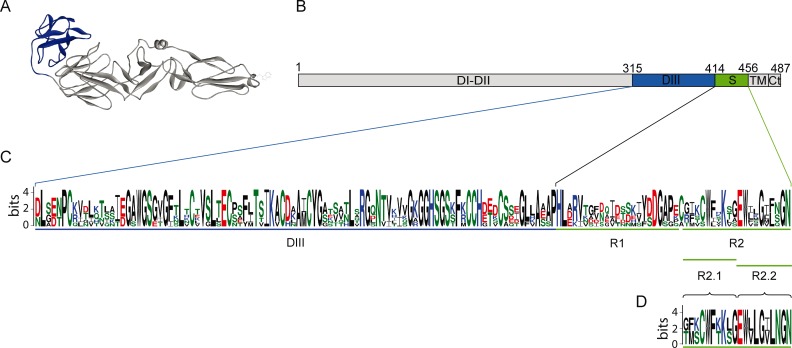
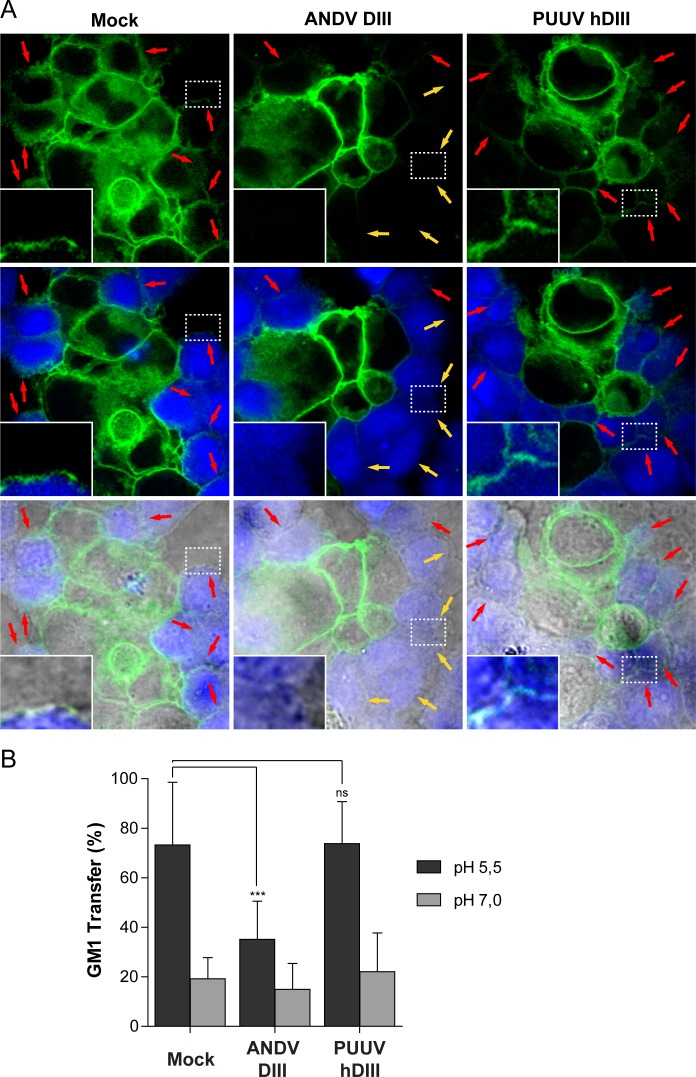
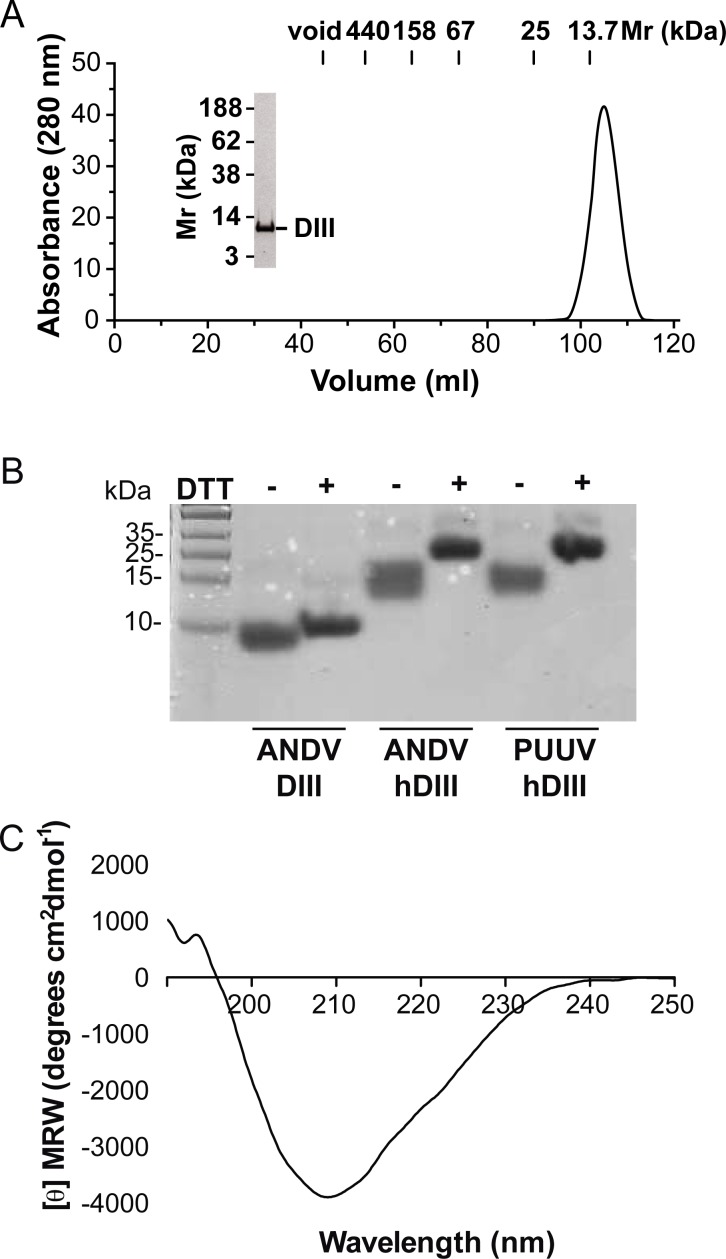
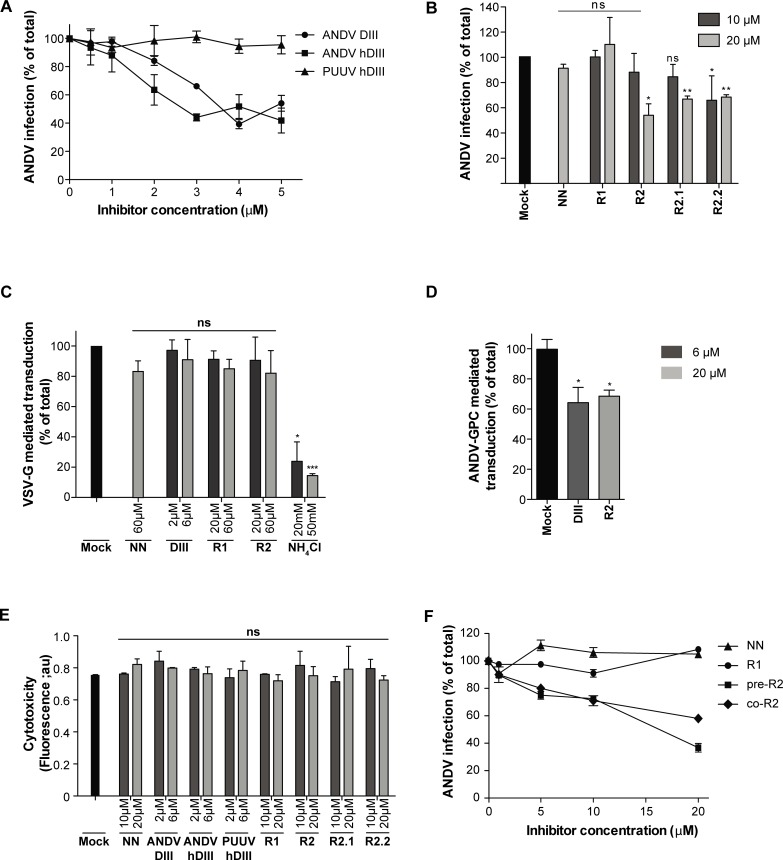
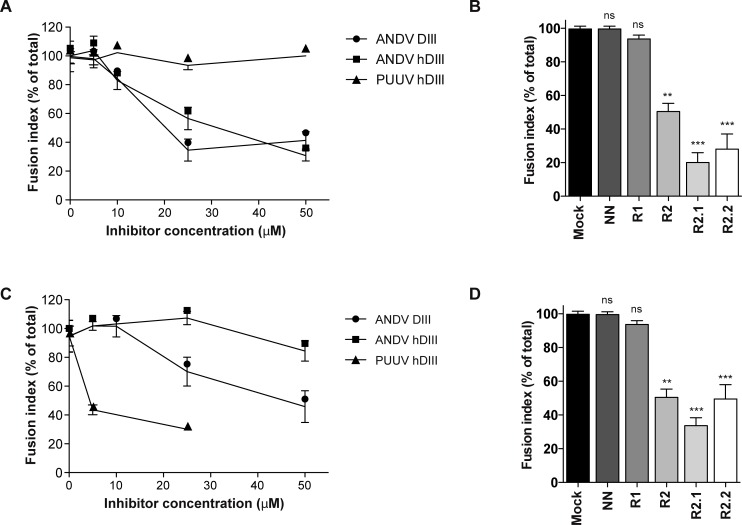
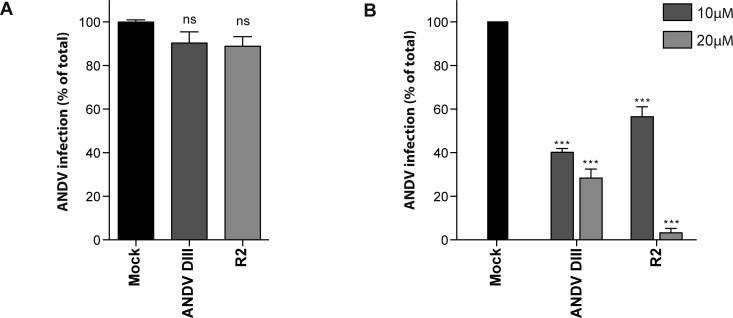
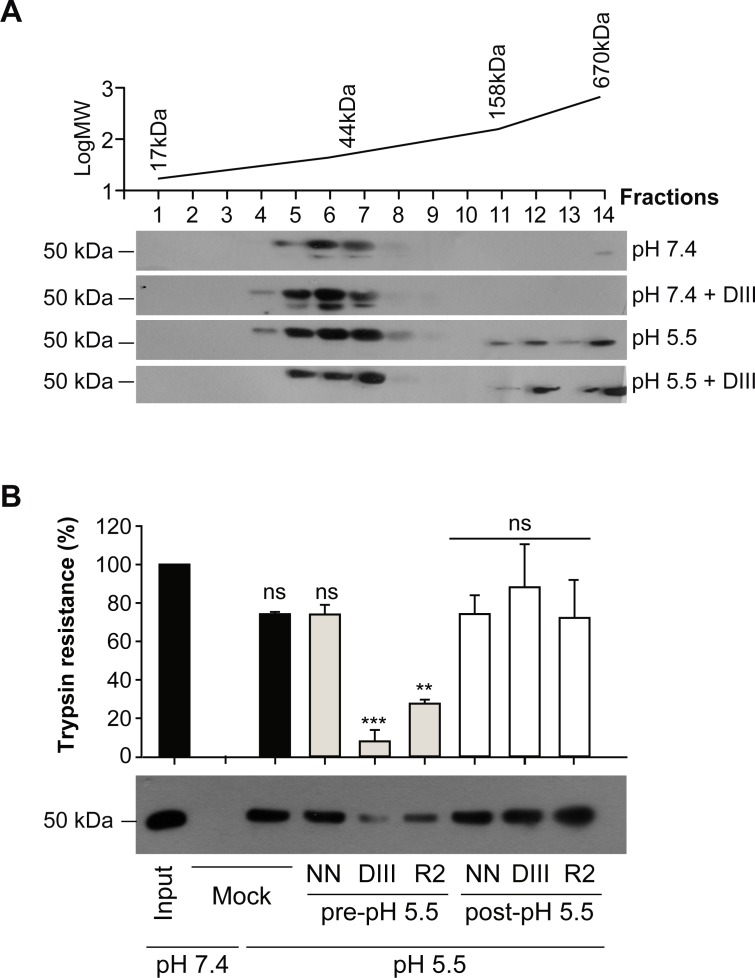
Hantaviruses can cause hantavirus pulmonary syndrome or hemorrhagic fever with renal syndrome in humans. To enter cells, hantaviruses fuse their envelope membrane with host cell membranes. Previously, we have shown that the Gc envelope glycoprotein is the viral fusion protein sharing characteristics with class II fusion proteins. The ectodomain of class II fusion proteins is composed of three domains connected by a stem region to a transmembrane anchor in the viral envelope. These fusion proteins can be inhibited through exogenous fusion protein fragments spanning domain III (DIII) and the stem region. Such fragments are thought to interact with the core of the fusion protein trimer during the transition from its pre-fusion to its post-fusion conformation. Based on our previous homology model structure for Gc from Andes hantavirus (ANDV), here we predicted and generated recombinant DIII and stem peptides to test whether these fragments inhibit hantavirus membrane fusion and cell entry. Recombinant ANDV DIII was soluble, presented disulfide bridges and beta-sheet secondary structure, supporting the in silico model. Using DIII and the C-terminal part of the stem region, the infection of cells by ANDV was blocked up to 60% when fusion of ANDV occurred within the endosomal route, and up to 95% when fusion occurred with the plasma membrane. Furthermore, the fragments impaired ANDV glycoprotein-mediated cell-cell fusion, and cross-inhibited the fusion mediated by the glycoproteins from Puumala virus (PUUV). The Gc fragments interfered in ANDV cell entry by preventing membrane hemifusion and pore formation, retaining Gc in a non-resistant homotrimer stage, as described for DIII and stem peptide inhibitors of class II fusion proteins. Collectively, our results demonstrate that hantavirus Gc shares not only structural, but also mechanistic similarity with class II viral fusion proteins, and will hopefully help in developing novel therapeutic strategies against hantaviruses.
汉坦病毒可导致人类患汉坦病毒肺综合征或肾综合征出血热。为进入细胞,汉坦病毒将其包膜与宿主细胞膜融合。此前,我们已表明,Gc包膜糖蛋白是与II类融合蛋白具有共同特征的病毒融合蛋白。II类融合蛋白的胞外结构域由三个结构域组成,通过一个茎区连接到病毒包膜中的跨膜锚定结构。这些融合蛋白可通过跨越结构域III(DIII)和茎区的外源融合蛋白片段来抑制。此类片段被认为在融合蛋白三聚体从预融合构象转变为后融合构象的过程中与三聚体核心相互作用。基于我们之前构建的安第斯汉坦病毒(ANDV)Gc的同源模型结构,在此我们预测并生成了重组DIII和茎肽,以测试这些片段是否抑制汉坦病毒膜融合和细胞进入。重组ANDV DIII是可溶的,具有二硫键和β - 折叠二级结构,支持计算机模拟模型。使用DIII和茎区的C末端部分,当ANDV在内体途径中发生融合时,ANDV对细胞的感染可被阻断高达60%,当与质膜发生融合时,阻断率高达95%。此外,这些片段损害了ANDV糖蛋白介导的细胞 - 细胞融合,并交叉抑制了普马拉病毒(PUUV)糖蛋白介导的融合。Gc片段通过阻止膜半融合和孔形成来干扰ANDV细胞进入,使Gc保持在非抗性同三聚体阶段,这与II类融合蛋白的DIII和茎肽抑制剂的情况相同。总体而言,我们的结果表明,汉坦病毒Gc不仅与II类病毒融合蛋白具有结构相似性,而且在作用机制上也有相似性,有望有助于开发针对汉坦病毒的新型治疗策略。