Choi Won-Suh, Kim Jin-Sung, Ryu Kyeong-Sik, Hur Jung-Woo, Seong Ji-Hoon
Department of Neurosurgery, Seoul St. Mary's Hospital, Catholic University, Seoul 06591, Republic of Korea.
Biomed Res Int. 2016;2016:2518394. doi: 10.1155/2016/2518394. Epub 2016 Jun 28.
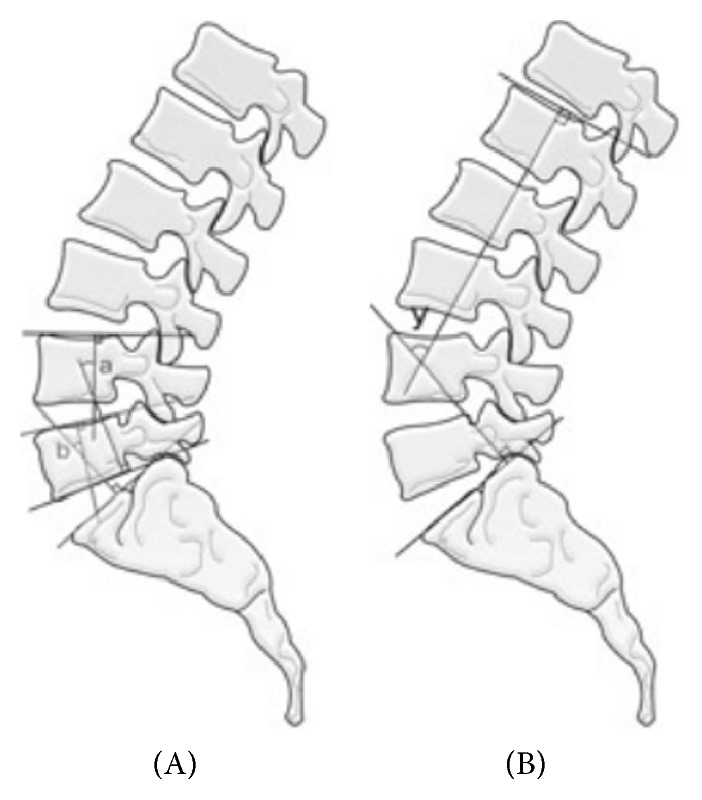
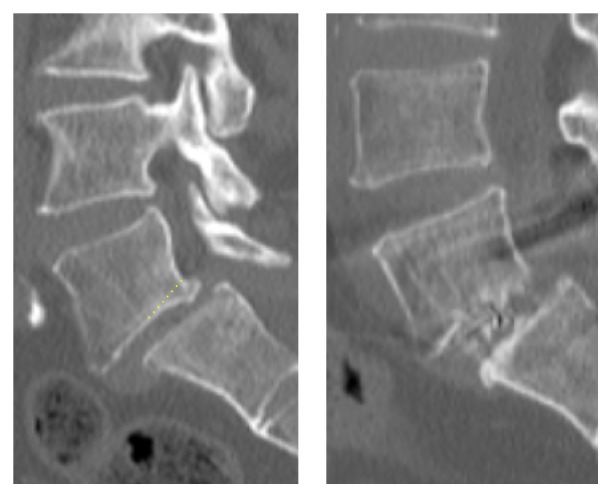
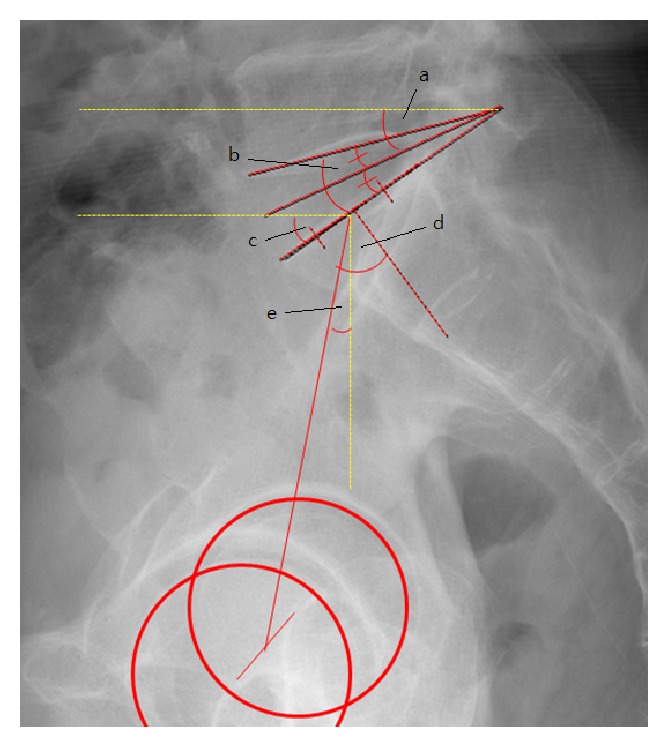
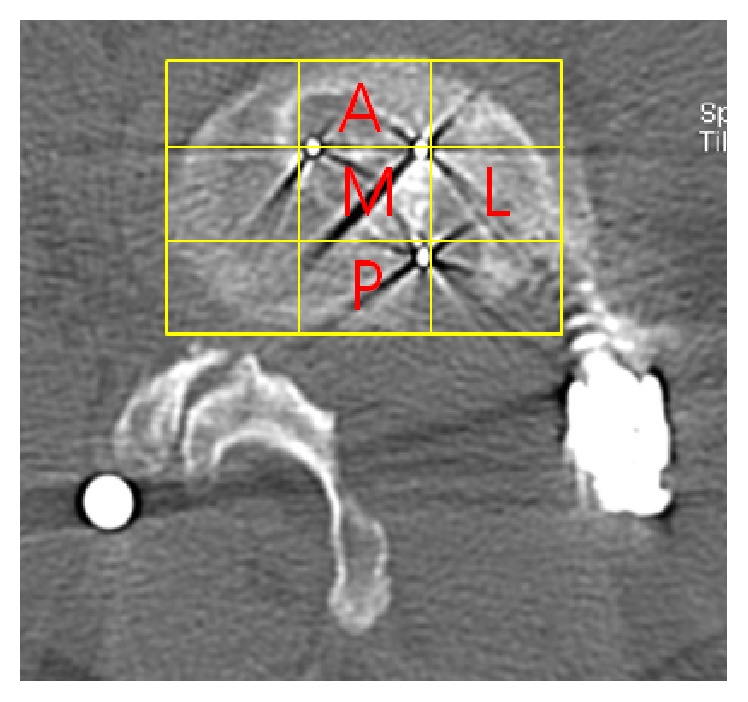
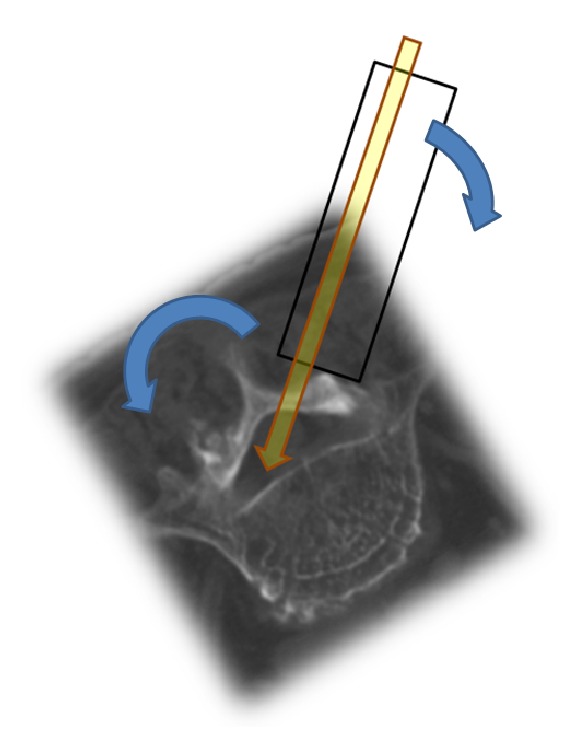
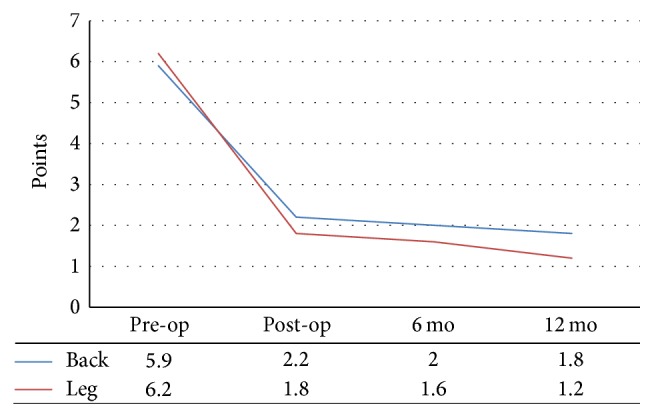
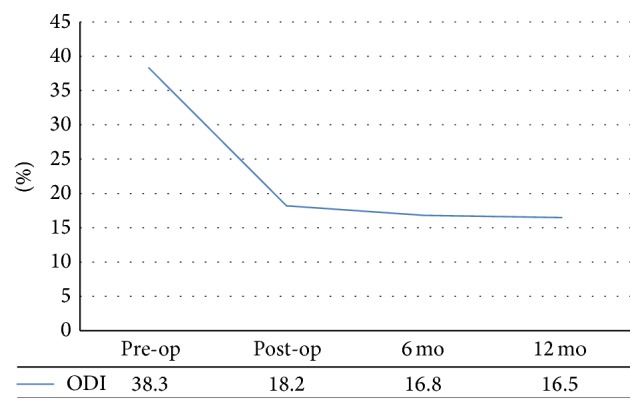
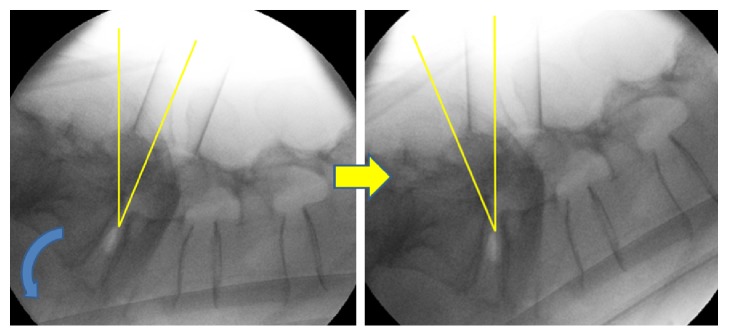
Background. Minimally invasive spinal transforaminal lumbar interbody fusion (MIS-TLIF) at L5-S1 is technically more demanding than it is at other levels because of the anatomical and biomechanical traits. Objective. To determine the clinical and radiological outcomes of MIS-TLIF for treatment of single-level spinal stenosis low-grade isthmic or degenerative spondylolisthesis at L5-S1. Methods. Radiological data and electronic medical records of patients who underwent MIS-TLIF between May 2012 and December 2014 were reviewed. Fusion rate, cage position, disc height (DH), disc angle (DA), disc slope angle, segmental lordotic angle (SLA), lumbar lordotic angle (LLA), and pelvic parameters were assessed. For functional assessment, the visual analogue scale (VAS), Oswestry disability index (ODI), and patient satisfaction rate (PSR) were utilized. Results. A total of 21 levels in 21 patients were studied. DH, DA, SLA, and LLA had increased from their preoperative measures at the final follow-up. Fusion rate was 86.7% (18/21) at 12 months' follow-up. The most common cage position was anteromedial (15/21). The mean VAS scores for back and leg pain mean ODI scores improved significantly at the final follow-up. PSR was 88%. Cage subsidence was observed in 33.3% (7/21). Conclusions. The clinical and radiologic outcomes after MIS-TLIF at L5-S1 in patients with spinal stenosis or spondylolisthesis are generally favorable.
背景。由于解剖学和生物力学特性,L5 - S1节段的微创经椎间孔腰椎椎间融合术(MIS - TLIF)在技术上比其他节段要求更高。目的。确定MIS - TLIF治疗L5 - S1单节段脊柱狭窄、低度峡部裂或退变性椎体滑脱的临床和放射学结果。方法。回顾2012年5月至2014年12月期间接受MIS - TLIF治疗患者的放射学数据和电子病历。评估融合率、椎间融合器位置、椎间盘高度(DH)、椎间盘角度(DA)、椎间盘倾斜角、节段性前凸角(SLA)、腰椎前凸角(LLA)和骨盆参数。对于功能评估,采用视觉模拟量表(VAS)、Oswestry功能障碍指数(ODI)和患者满意率(PSR)。结果。共研究了21例患者的21个节段。在末次随访时,DH、DA、SLA和LLA较术前测量值均有所增加。随访12个月时融合率为86.7%(18/21)。最常见的椎间融合器位置是前内侧(15/21)。末次随访时,背部和腿部疼痛的平均VAS评分以及平均ODI评分均有显著改善。PSR为88%。观察到33.3%(7/21)的患者出现椎间融合器下沉。结论。对于脊柱狭窄或椎体滑脱患者,L5 - S1节段MIS - TLIF术后的临床和放射学结果总体良好。