Leng G, Sabatier N
Centre for Integrative Physiology, University of Edinburgh, Edinburgh, UK.
J Neuroendocrinol. 2016 Oct;28(10). doi: 10.1111/jne.12413.
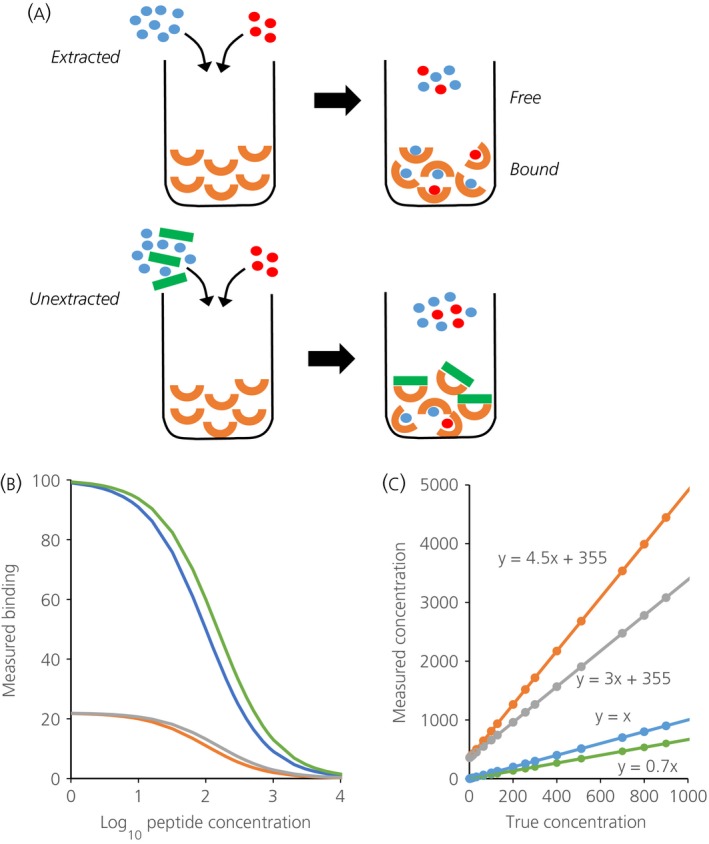
In this review, we consider the ways in which vasopressin and oxytocin have been measured since their first discovery. Two different ways of measuring oxytocin in widespread use currently give values in human plasma that differ by two orders of magnitude, and the values measured by these two methods in the same samples show no correlation. The notion that we should accept this seems absurd. Either one (or both) methods is not measuring oxytocin, or, by 'oxytocin', the scientists that use these different methods mean something very different. If these communities are to talk to each other, it is important to validate one method and invalidate the other, or else to establish exactly what each community understands by 'oxytocin'. A similar issue concerns vasopressin: again, different ways of measuring vasopressin give values in human plasma that differ by two orders of magnitude, and it appears that the same explanation for discrepant oxytocin measurements applies to discrepant vasopressin measurements. The first assays for oxytocin and vasopressin measured biological activity directly. When immunoassays were introduced, they encountered problems: high molecular weight factors in raw plasma interfered with the binding of antibodies to the hormones, leading to high and erroneous readings. When these interfering factors were removed by extraction of plasma samples, immunoassays gave measurements consistent with bioassays, with measures of turnover and with the sensitivity of target tissues to exogenous hormone. However, many recent papers use an enzyme-linked immunoassay to measure plasma levels without extracting the samples. Like the first radioimmunassays of unextracted plasma, this generates impossibly high and wholly erroneous measurements.
在本综述中,我们探讨了自血管加压素和催产素首次被发现以来的测量方法。目前广泛使用的两种不同的催产素测量方法,所得出的人体血浆中的值相差两个数量级,而且用这两种方法对相同样本进行测量所得结果并无相关性。我们应该接受这种情况的想法似乎很荒谬。要么其中一种(或两种)方法测量的不是催产素,要么使用这些不同方法的科学家所说的“催产素”含义截然不同。如果这些研究群体想要相互交流,那么验证一种方法并否定另一种方法,或者确切地确定每个群体对“催产素”的理解就很重要。血管加压素也存在类似问题:同样,测量血管加压素的不同方法所得出的人体血浆中的值相差两个数量级,而且对于催产素测量结果不一致的解释似乎同样适用于血管加压素测量结果的差异。最初的催产素和血管加压素检测方法是直接测量生物活性。当引入免疫测定法时,遇到了问题:原始血浆中的高分子量因子干扰了抗体与激素的结合,导致读数偏高且错误。当通过提取血浆样本去除这些干扰因子后,免疫测定法的测量结果与生物测定法、周转率测量结果以及靶组织对外源激素的敏感性一致。然而,最近许多论文使用酶联免疫测定法来测量血浆水平,而不进行样本提取。就像最初对未提取血浆进行的放射免疫测定一样,这会产生高得离谱且完全错误的测量结果。