Morris Aaron H, Chang Julie, Kyriakides Themis R
Department of Biomedical Engineering, Yale University, New Haven, Connecticut.; Department of Vascular Biology and Therapeutics Program, Yale University, New Haven, Connecticut.
Department of Biomedical Engineering, Yale University , New Haven, Connecticut.
Biores Open Access. 2016 Jul 1;5(1):177-87. doi: 10.1089/biores.2016.0021. eCollection 2016.
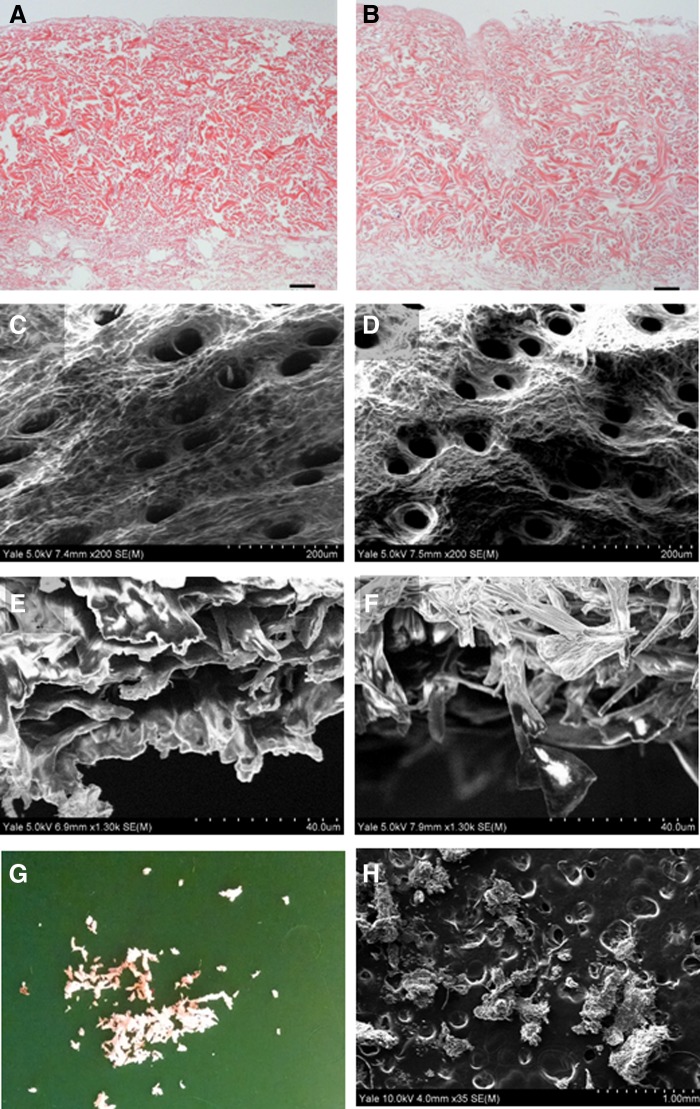
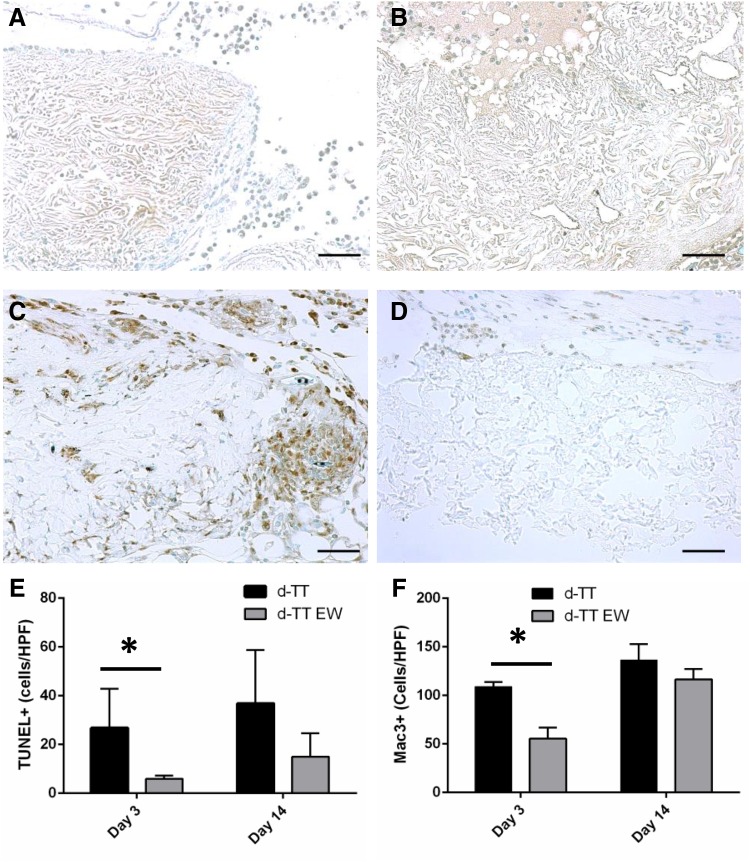
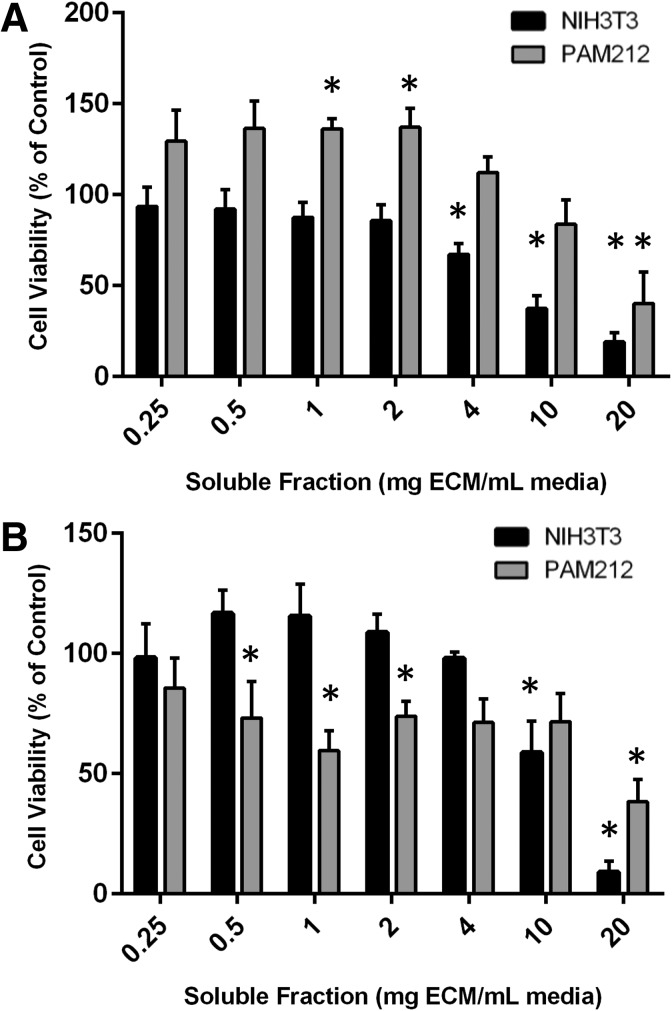
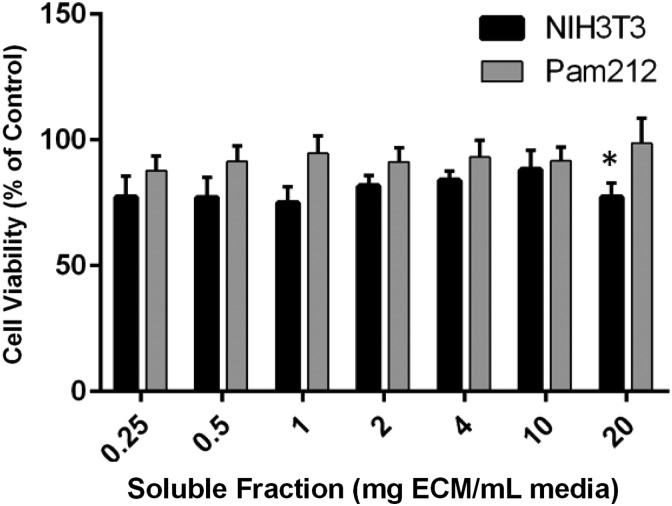
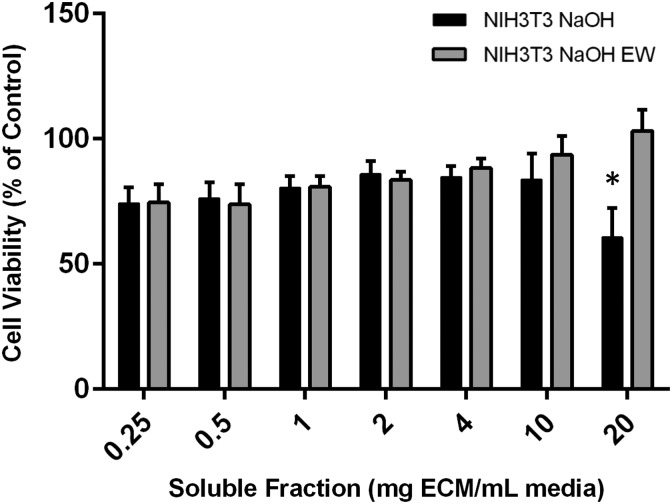
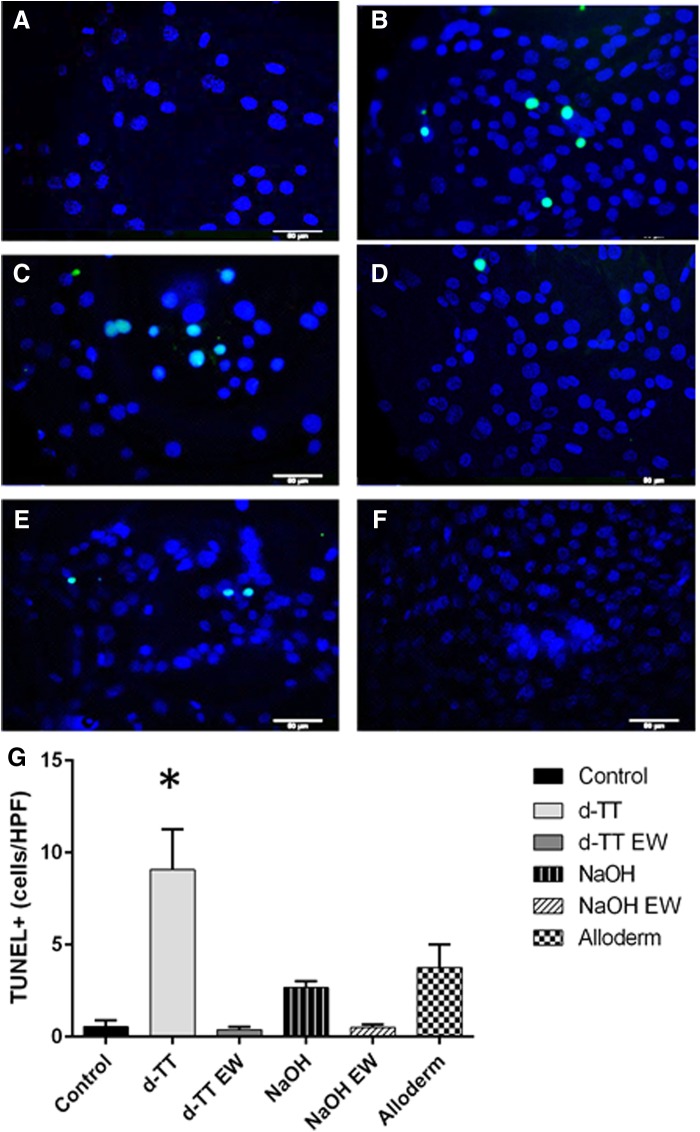
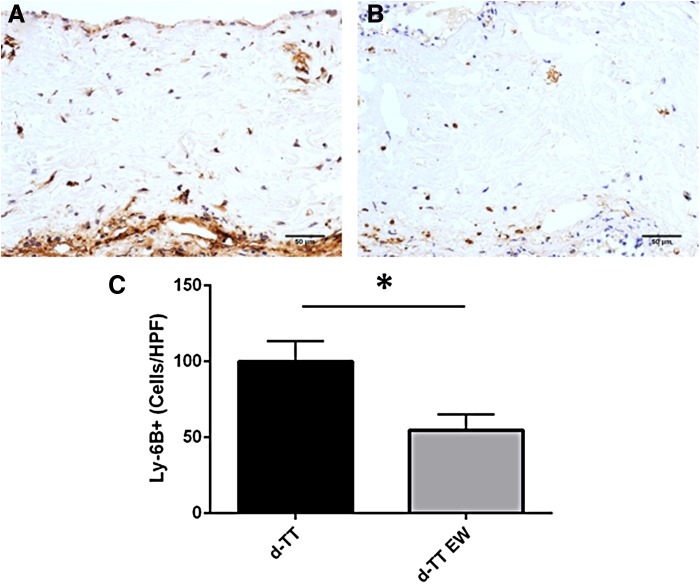
Decellularized tissue scaffolds are commonly used in the clinic because they can be used as substitutes for more traditional biomaterials, while imparting additional physiological effects. Nevertheless, reports of complications associated with their use are widespread and poorly understood. This study probes possible causes of these complications by examining cell viability and apoptosis in response to eluents from decellularized dermis. Using multiple sources of decellularized dermis, this study shows that typical decellularized scaffolds (prepared with commonly used laboratory techniques, as well as purchased from commercial sources) contain soluble components that are cytotoxic and that these components can be removed by extensive washes in cell culture media. In addition, this study demonstrates that these observed in vitro phenotypes correlate with increased apoptosis and acute inflammation when implanted subcutaneously in mice.
去细胞组织支架在临床上被广泛使用,因为它们可以作为更传统生物材料的替代品,同时还能产生额外的生理效应。然而,关于其使用相关并发症的报道很普遍,且人们对此了解甚少。本研究通过检测去细胞真皮洗脱液对细胞活力和凋亡的影响,探究这些并发症的可能原因。本研究使用多种来源的去细胞真皮,结果表明典型的去细胞支架(采用常用实验室技术制备以及从商业渠道购买)含有具有细胞毒性的可溶性成分,并且这些成分可以通过在细胞培养基中大量洗涤而去除。此外,本研究表明,这些在体外观察到的表型与皮下植入小鼠后凋亡增加和急性炎症相关。