Chinen Takatoshi, Kannan Arun K, Levine Andrew G, Fan Xiying, Klein Ulf, Zheng Ye, Gasteiger Georg, Feng Yongqiang, Fontenot Jason D, Rudensky Alexander Y
Howard Hughes Medical Institute and Immunology Program, Memorial Sloan Kettering Cancer Center, New York, NY, USA.
Immunology Discovery, Biogen, Cambridge, MA, USA.
Nat Immunol. 2016 Nov;17(11):1322-1333. doi: 10.1038/ni.3540. Epub 2016 Sep 5.
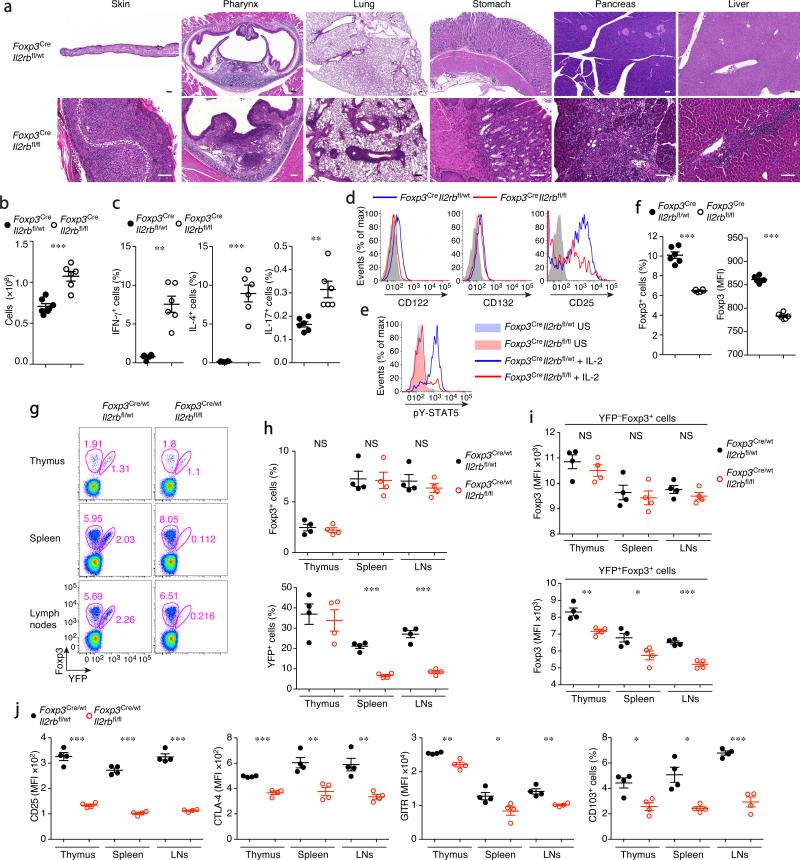
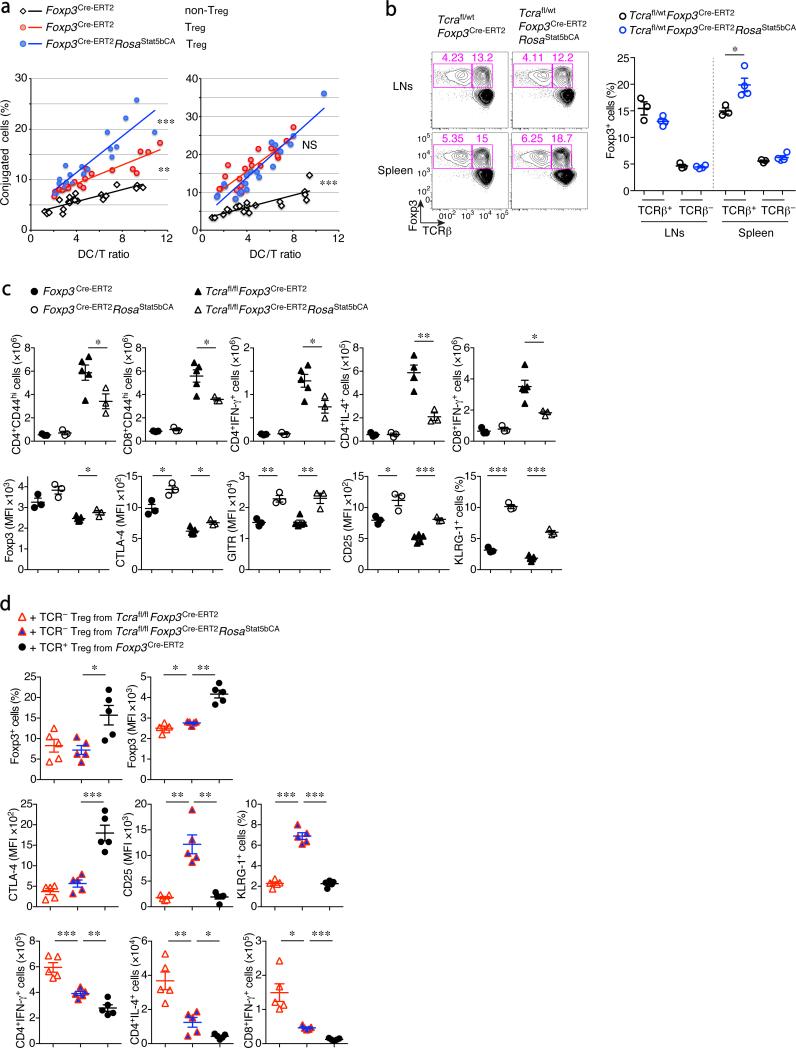
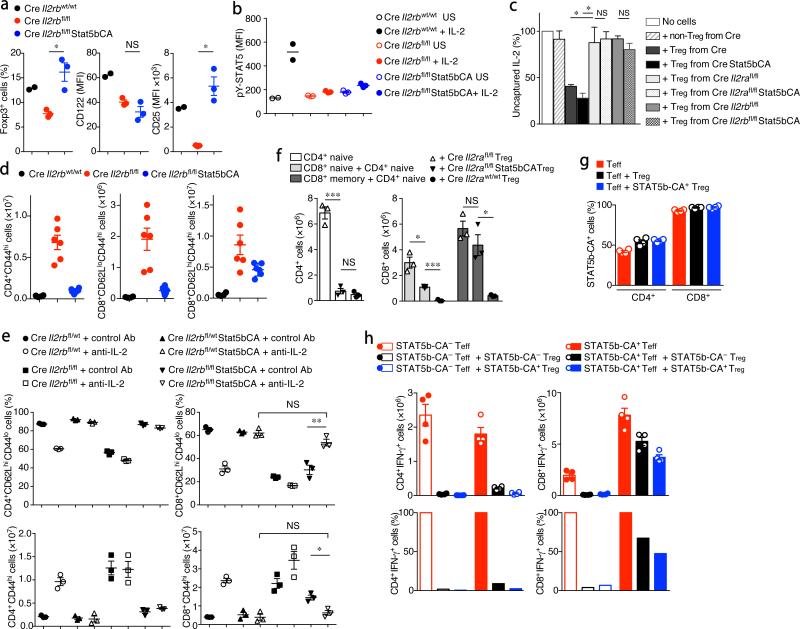
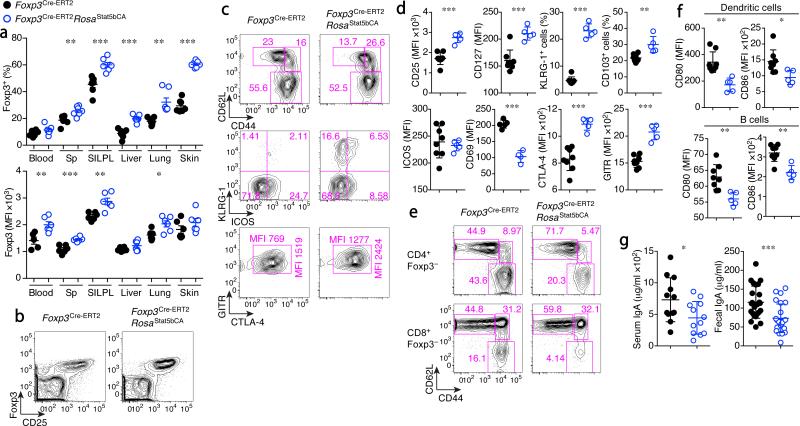
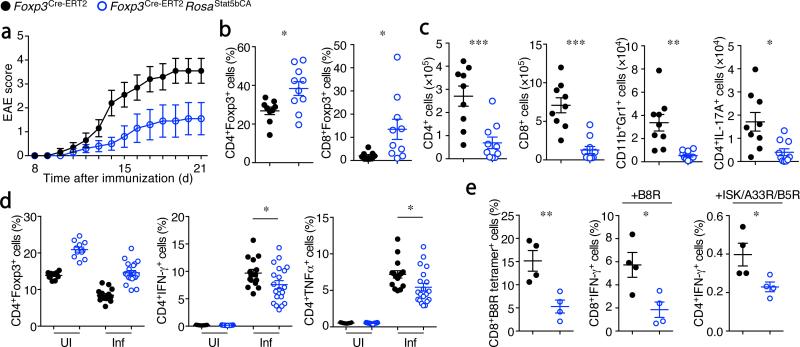
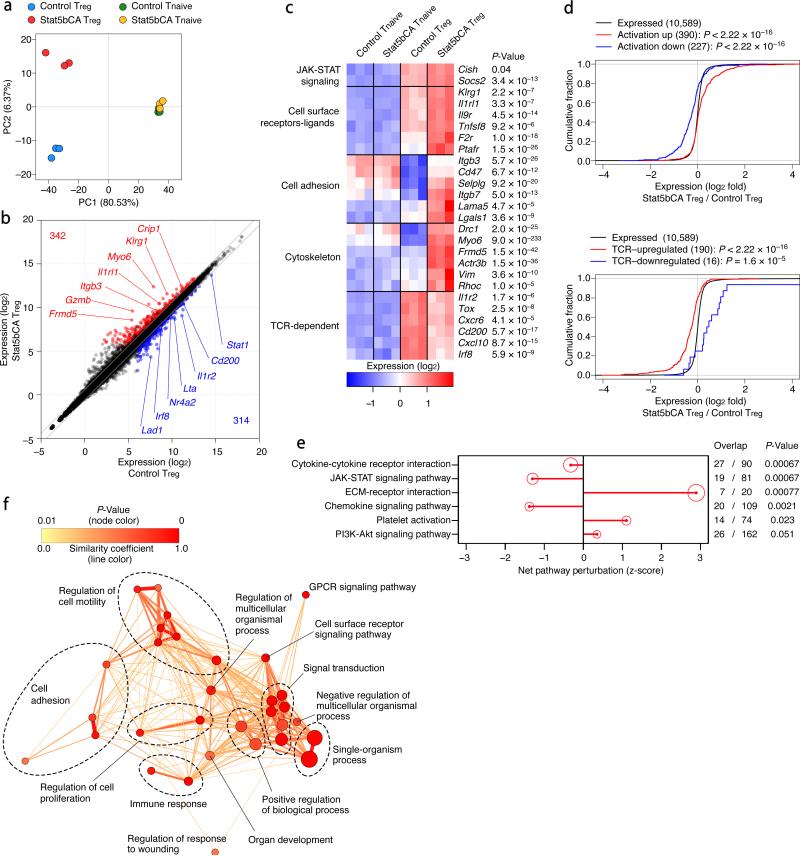
Regulatory T cells (T cells), which have abundant expression of the interleukin 2 receptor (IL-2R), are reliant on IL-2 produced by activated T cells. This feature indicates a key role for a simple network based on the consumption of IL-2 by T cells in their suppressor function. However, congenital deficiency in IL-2R results in reduced expression of the T cell lineage-specification factor Foxp3, which has confounded experimental efforts to understand the role of IL-2R expression and signaling in the suppressor function of T cells. Using genetic gain- and loss-of-function approaches, we found that capture of IL-2 was dispensable for the control of CD4 T cells but was important for limiting the activation of CD8 T cells, and that IL-2R-dependent activation of the transcription factor STAT5 had an essential role in the suppressor function of T cells separable from signaling via the T cell antigen receptor.
调节性T细胞(Treg细胞)大量表达白细胞介素2受体(IL-2R),依赖于活化T细胞产生的IL-2。这一特征表明,基于Treg细胞消耗IL-2的简单网络在其抑制功能中起关键作用。然而,IL-2R的先天性缺陷会导致T细胞谱系特异性因子Foxp3的表达降低,这使得理解IL-2R表达和信号传导在Treg细胞抑制功能中的作用的实验努力变得复杂。利用基因功能获得和缺失方法,我们发现捕获IL-2对控制CD4 T细胞并非必需,但对限制CD8 T细胞的活化很重要,并且转录因子STAT5的IL-2R依赖性活化在Treg细胞的抑制功能中起着至关重要的作用,这一作用独立于通过T细胞抗原受体的信号传导。