Li Yunchao, Zhao Chunhua, Yu Zhibin, Chen Jiarui, She Xiaoling, Li Peiyao, Liu Changhong, Zhang Yan, Feng Jianbo, Fu Haijuan, Wang Bing, Kuang Lei, Li Lei, Lv Guohua, Wu Minghua
Department of Spinal Surgery, The Second Xiangya Hospital of Central South University, Changsha, Hunan, China.
Cancer Research Institute, School of Basic Medical Science, Central South University, Key Laboratory of Carcinogenesis and Cancer Invasion, Ministry of Education, Key Laboratory of Carcinogenesis, Ministry of Health, Changsha, Hunan, China.
Oncotarget. 2016 Oct 18;7(42):68585-68596. doi: 10.18632/oncotarget.11861.
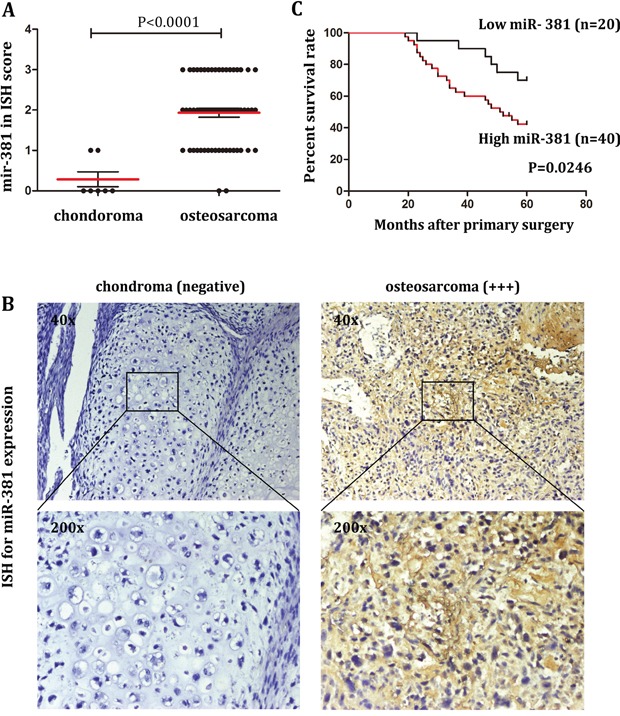
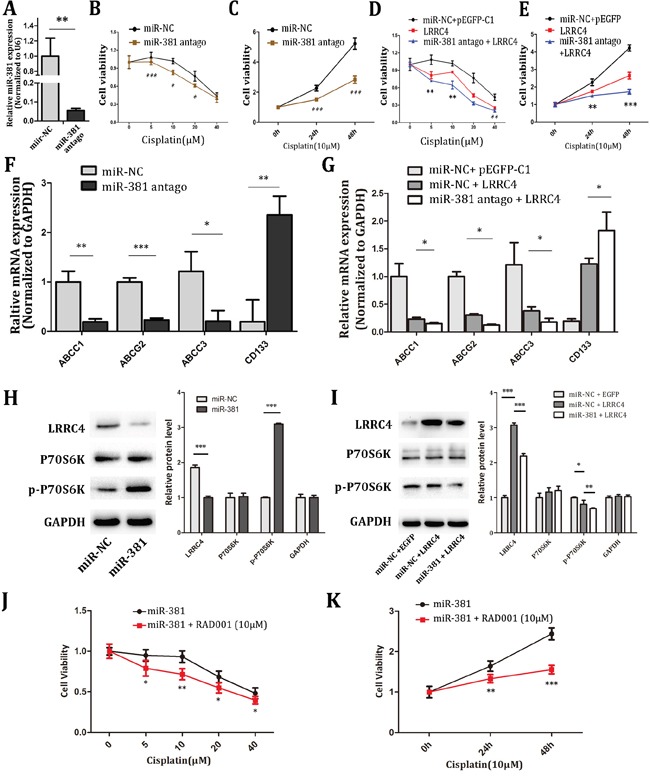
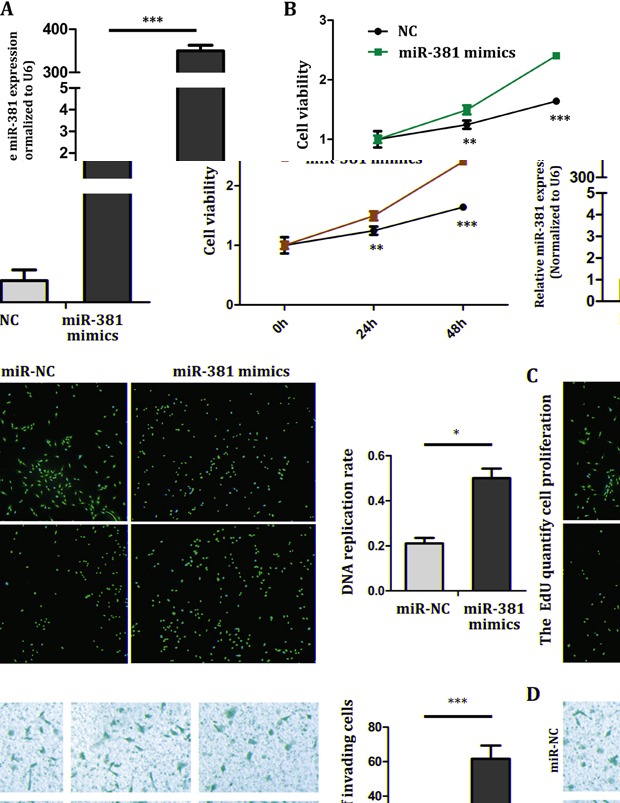
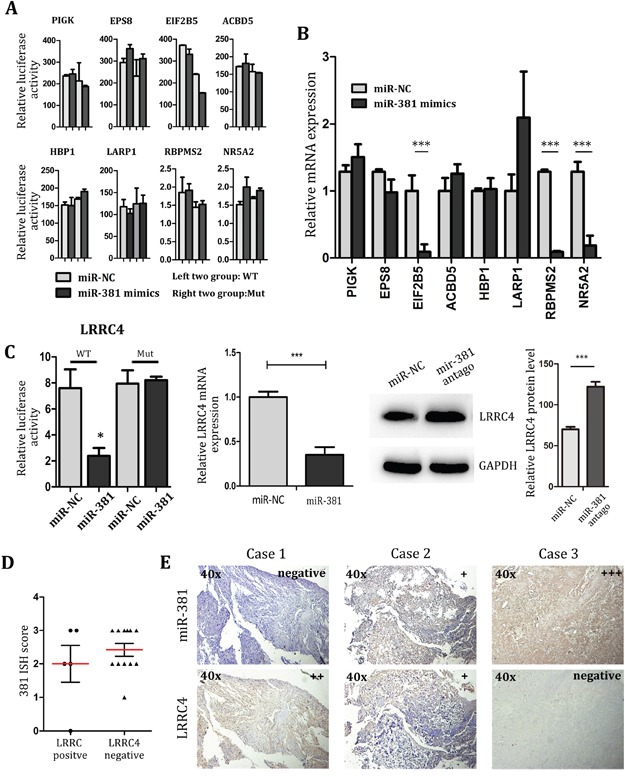
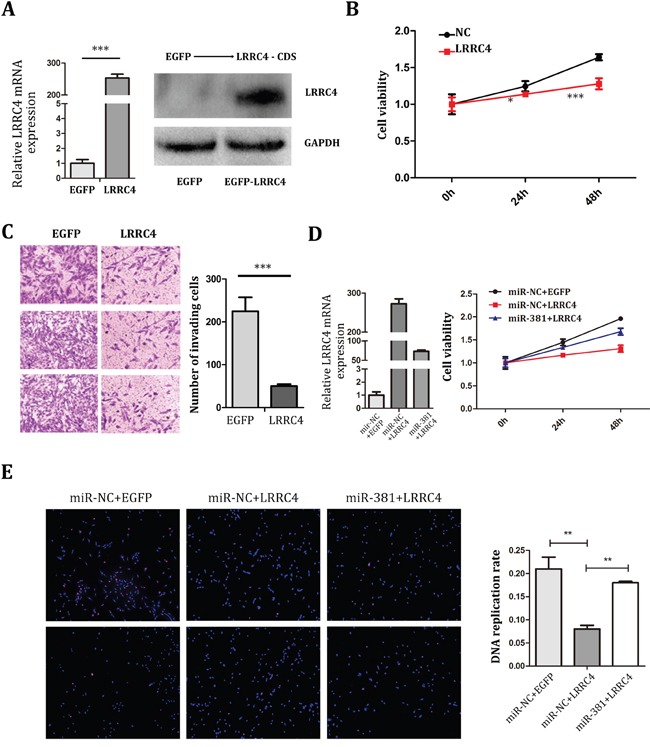
Osteosarcoma (OS) is the most common primary bone malignancy with a poor prognosis for all races and both sexes. In this study, we found that miR-381 is a positive prognosis factor for OS patients that OS patients with a low expression of miR-381 had a longer survival time after surgical intervention, and miR-381 expression promotes MG-63 cell proliferation and cell invasion ability. Our results also showed a strong negative correlation between the expression of miR-381 and LRRC4 (brain relative specific expression gene) in OS tissues. This demonstrated that LRRC4 is a direct target gene of miR-381, and suppressing the expression of miR-381 increases the sensitivity of OS cells to chemotherapeutic drugs through the LRRC4-mediated mTOR pathway. In summary, miR-381 is an important biomarker in directing therapeutic intervention and predicting prognosis in OS patients.
骨肉瘤(OS)是最常见的原发性骨恶性肿瘤,对所有种族和性别而言预后均较差。在本研究中,我们发现miR-381是骨肉瘤患者的一个阳性预后因素,即miR-381低表达的骨肉瘤患者手术干预后的生存时间更长,且miR-381表达促进MG-63细胞增殖及细胞侵袭能力。我们的结果还显示,骨肉瘤组织中miR-381表达与LRRC4(脑相对特异性表达基因)之间呈强烈负相关。这表明LRRC4是miR-381的直接靶基因,抑制miR-381的表达通过LRRC4介导的mTOR途径增加骨肉瘤细胞对化疗药物的敏感性。总之,miR-381是指导骨肉瘤患者治疗干预及预测预后的重要生物标志物。