Foster Daniel J, Wilson Jermaine M, Remke Daniel H, Mahmood M Suhaib, Uddin M Jashim, Wess Jürgen, Patel Sachin, Marnett Lawrence J, Niswender Colleen M, Jones Carrie K, Xiang Zixiu, Lindsley Craig W, Rook Jerri M, Conn P Jeffrey
Department of Pharmacology, Vanderbilt University, Nashville, TN 37232, USA; Vanderbilt Center for Neuroscience Drug Discovery, Vanderbilt University, Nashville, TN 37232, USA.
Department of Pharmacology, Vanderbilt University, Nashville, TN 37232, USA; Department of Chemistry, Vanderbilt University, Nashville, TN 37232, USA; Department of Biochemistry, Vanderbilt University, Nashville, TN 37232, USA.
Neuron. 2016 Sep 21;91(6):1244-1252. doi: 10.1016/j.neuron.2016.08.017. Epub 2016 Sep 8.
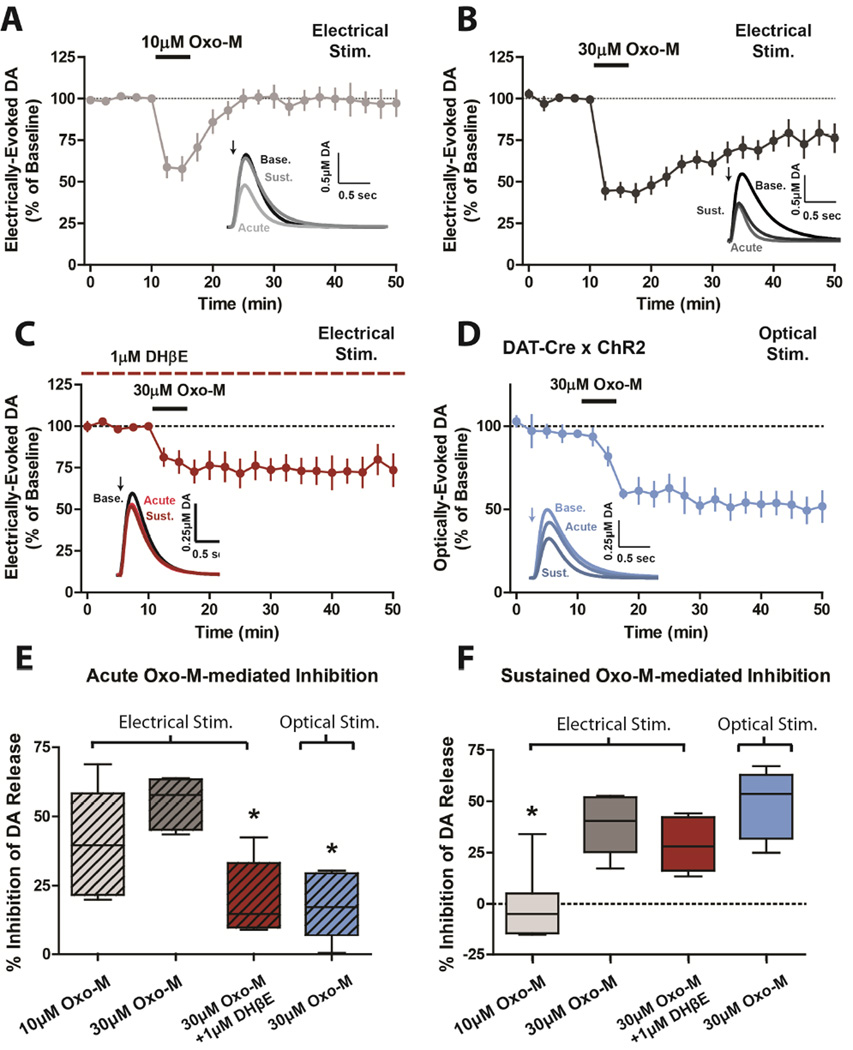
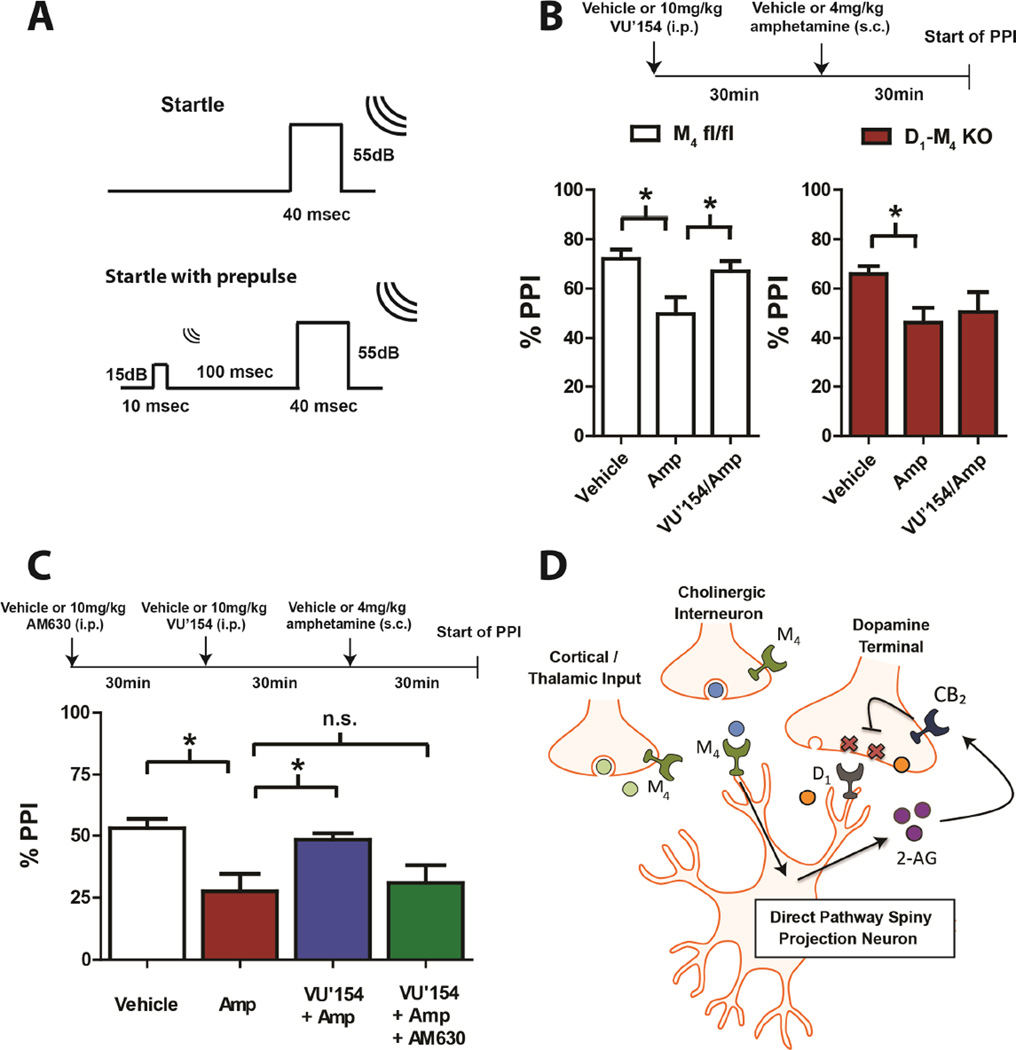
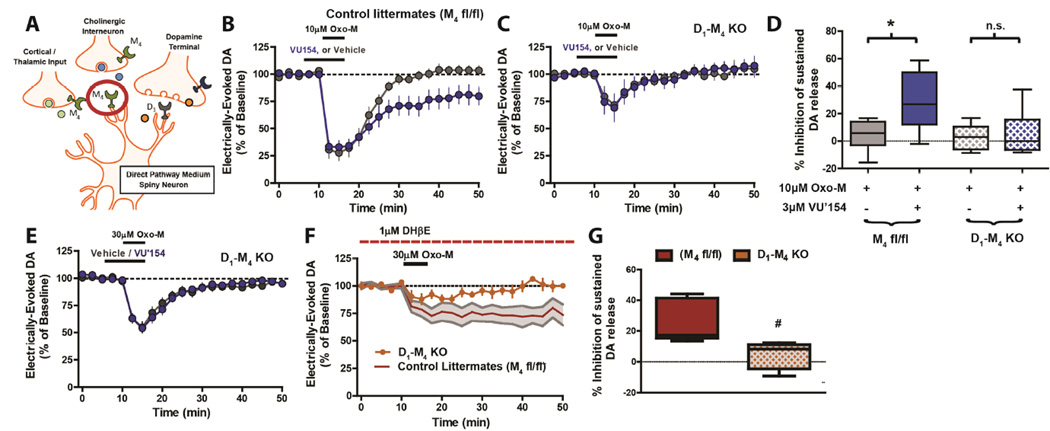
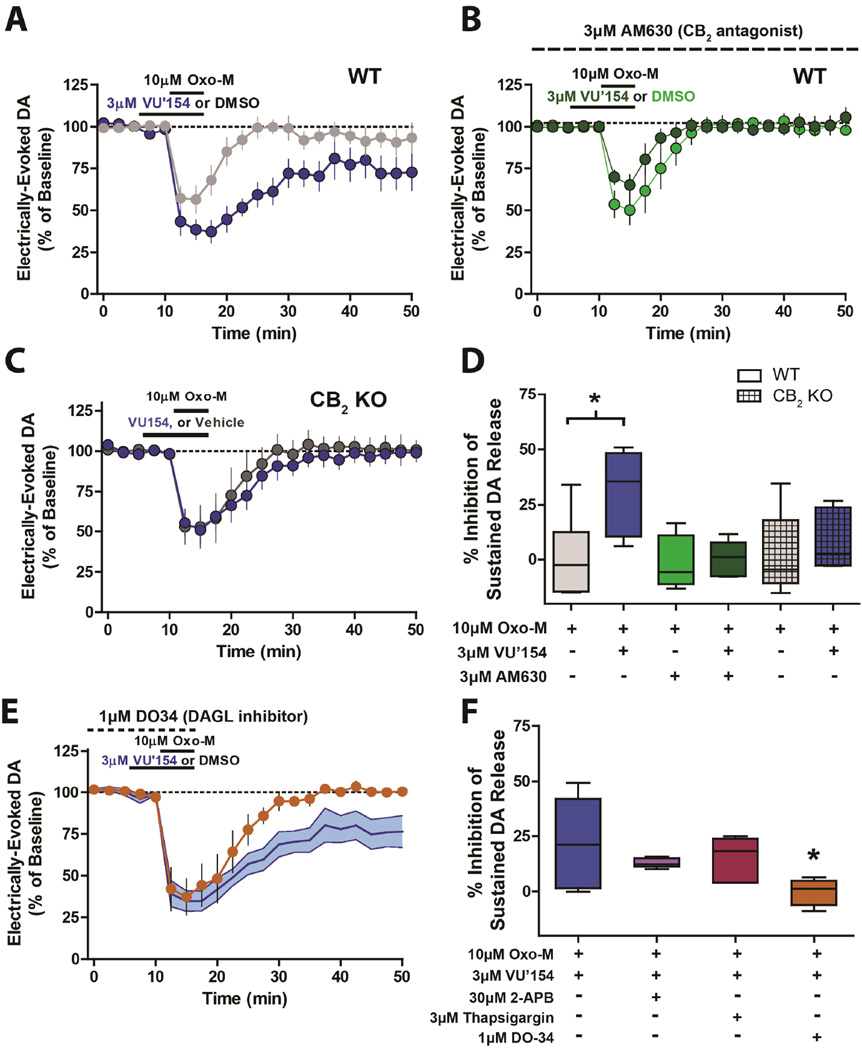
Muscarinic receptors represent a promising therapeutic target for schizophrenia, but the mechanisms underlying the antipsychotic efficacy of muscarinic modulators are not well understood. Here, we report that activation of M4 receptors on striatal spiny projection neurons results in a novel form of dopaminergic regulation resulting in a sustained depression of striatal dopamine release that is observed more than 30 min after removal of the muscarinic receptor agonist. Furthermore, both the M4-mediated sustained inhibition of dopamine release and the antipsychotic-like efficacy of M4 activators were found to require intact signaling through CB2 cannabinoid receptors. These findings highlight a novel mechanism by which striatal cholinergic and cannabinoid signaling leads to sustained reductions in dopaminergic transmission and concurrent behavioral effects predictive of antipsychotic efficacy.
毒蕈碱受体是治疗精神分裂症的一个有前景的靶点,但毒蕈碱调节剂抗精神病疗效的潜在机制尚不清楚。在此,我们报告纹状体棘状投射神经元上的M4受体激活会导致一种新型的多巴胺能调节形式,导致纹状体多巴胺释放持续受到抑制,在去除毒蕈碱受体激动剂后30多分钟仍可观察到这种抑制。此外,发现M4介导的多巴胺释放持续抑制和M4激活剂的抗精神病样疗效都需要通过CB2大麻素受体进行完整的信号传导。这些发现突出了一种新机制,通过该机制纹状体胆碱能和大麻素信号传导导致多巴胺能传递持续减少以及与抗精神病疗效相关的行为效应。