Castagnaro Silvia, Pellegrini Camilla, Pellegrini Massimo, Chrisam Martina, Sabatelli Patrizia, Toni Silvia, Grumati Paolo, Ripamonti Claudio, Pratelli Loredana, Maraldi Nadir M, Cocchi Daniela, Righi Valeria, Faldini Cesare, Sandri Marco, Bonaldo Paolo, Merlini Luciano
a Department of Molecular Medicine , University of Padova , Padova , Italy.
b Laboratory of Musculoskeletal Cell Biology, Rizzoli Orthopedic Institute , Bologna , Italy.
Autophagy. 2016 Dec;12(12):2484-2495. doi: 10.1080/15548627.2016.1231279. Epub 2016 Sep 22.
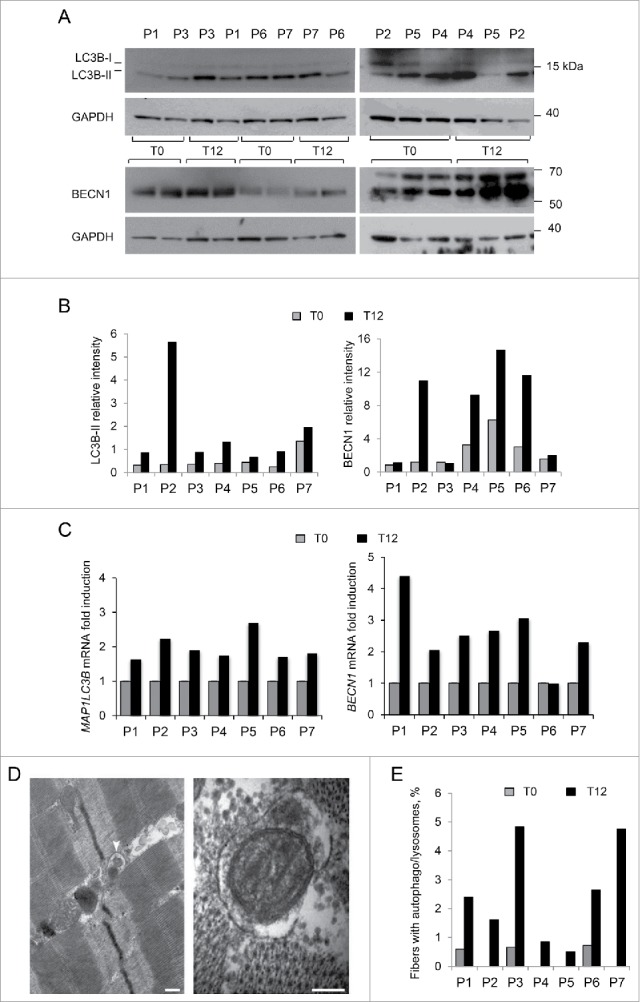
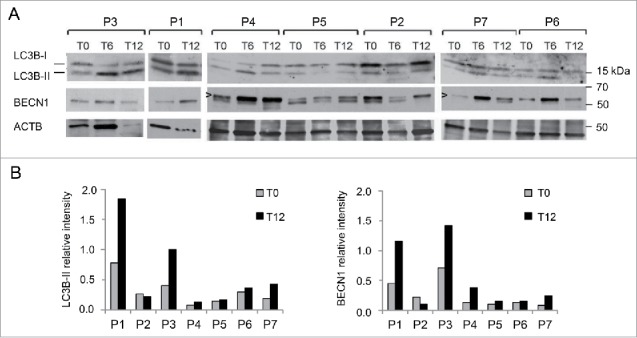
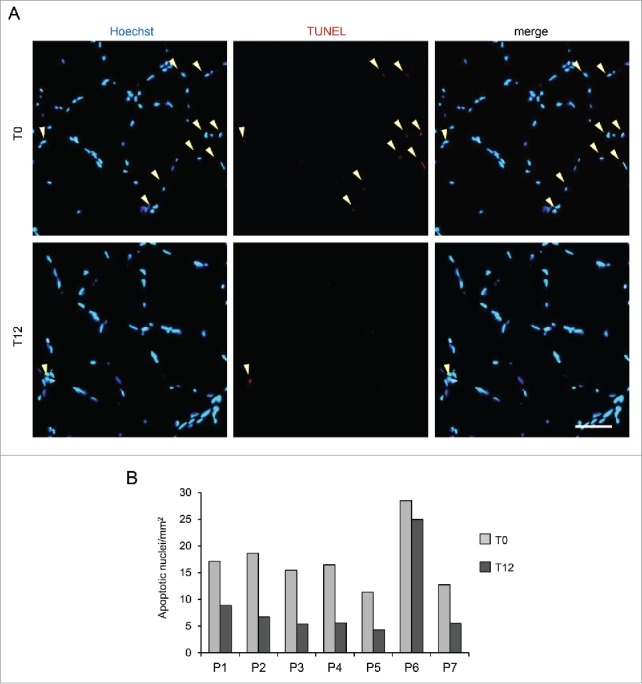
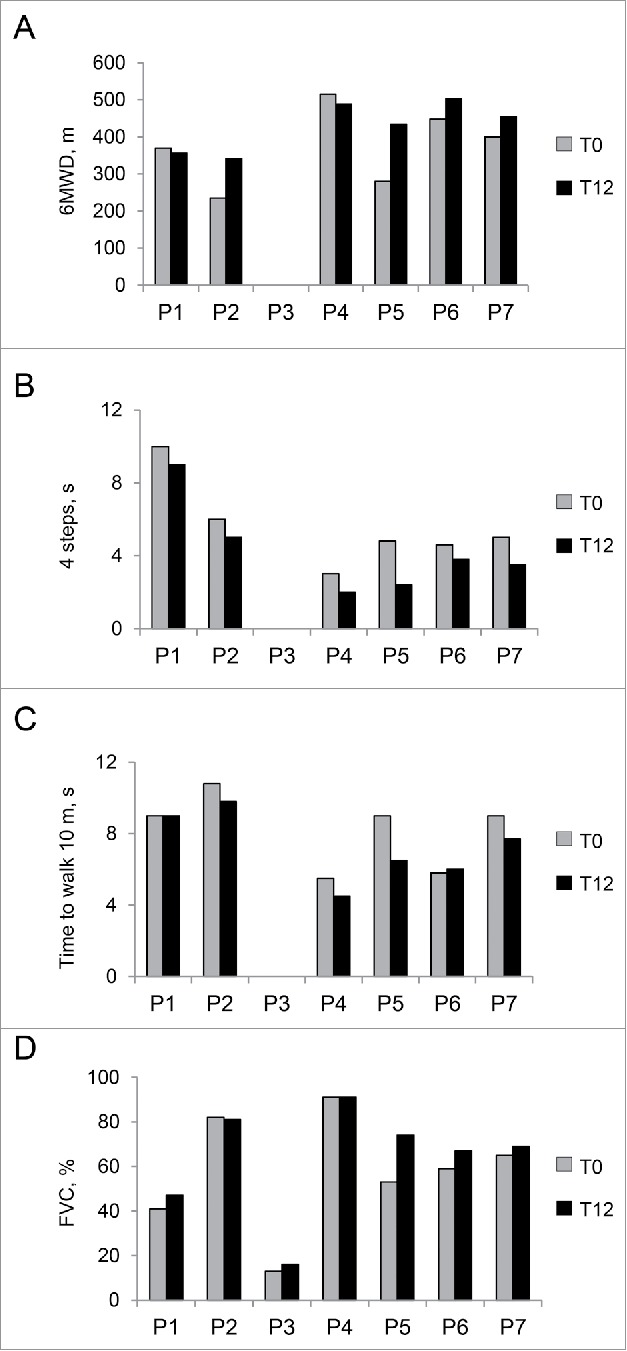
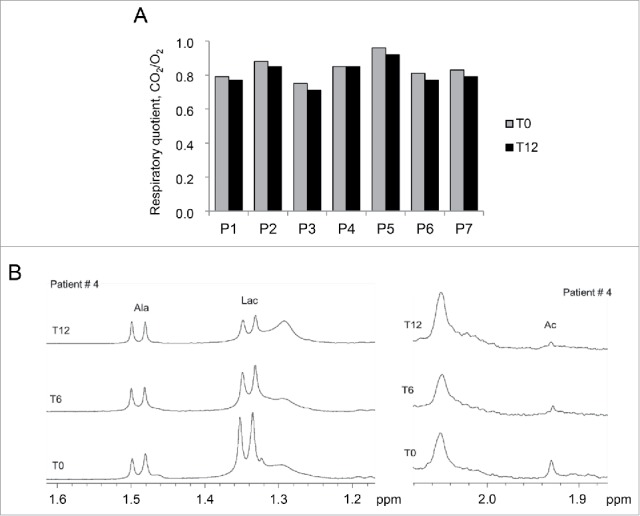
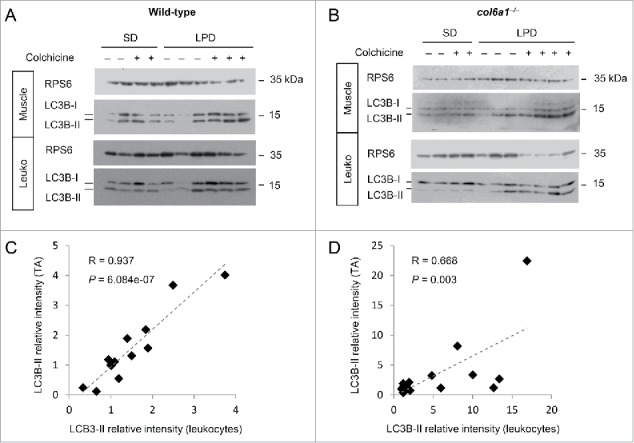
A pilot clinical trial based on nutritional modulation was designed to assess the efficacy of a one-year low-protein diet in activating autophagy in skeletal muscle of patients affected by COL6/collagen VI-related myopathies. Ullrich congenital muscular dystrophy and Bethlem myopathy are rare inherited muscle disorders caused by mutations of COL6 genes and for which no cure is yet available. Studies in col6 null mice revealed that myofiber degeneration involves autophagy defects and that forced activation of autophagy results in the amelioration of muscle pathology. Seven adult patients affected by COL6 myopathies underwent a controlled low-protein diet for 12 mo and we evaluated the presence of autophagosomes and the mRNA and protein levels for BECN1/Beclin 1 and MAP1LC3B/LC3B in muscle biopsies and blood leukocytes. Safety measures were assessed, including muscle strength, motor and respiratory function, and metabolic parameters. After one y of low-protein diet, autophagic markers were increased in skeletal muscle and blood leukocytes of patients. The treatment was safe as shown by preservation of lean:fat percentage of body composition, muscle strength and function. Moreover, the decreased incidence of myofiber apoptosis indicated benefits in muscle homeostasis, and the metabolic changes pointed at improved mitochondrial function. These data provide evidence that a low-protein diet is able to activate autophagy and is safe and tolerable in patients with COL6 myopathies, pointing at autophagy activation as a potential target for therapeutic applications. In addition, our findings indicate that blood leukocytes are a promising noninvasive tool for monitoring autophagy activation in patients.
一项基于营养调节的临床试验旨在评估为期一年的低蛋白饮食对激活COL6/胶原蛋白VI相关肌病患者骨骼肌自噬的疗效。乌尔里希先天性肌营养不良和贝思伦肌病是由COL6基因突变引起的罕见遗传性肌肉疾病,目前尚无治愈方法。对col6基因敲除小鼠的研究表明,肌纤维变性涉及自噬缺陷,而强制激活自噬可改善肌肉病理状况。7名受COL6肌病影响的成年患者接受了为期12个月的低蛋白对照饮食,我们评估了肌肉活检和血液白细胞中自噬体的存在以及BECN1/Beclin 1和MAP1LC3B/LC3B的mRNA和蛋白质水平。评估了安全指标,包括肌肉力量、运动和呼吸功能以及代谢参数。低蛋白饮食一年后,患者骨骼肌和血液白细胞中的自噬标志物增加。治疗是安全的,体现在身体成分的瘦:脂肪百分比、肌肉力量和功能得以维持。此外,肌纤维凋亡发生率的降低表明对肌肉内环境稳定有益,代谢变化表明线粒体功能得到改善。这些数据证明,低蛋白饮食能够激活自噬,对COL6肌病患者是安全且可耐受的,表明自噬激活是一个潜在的治疗靶点。此外,我们的研究结果表明,血液白细胞是监测患者自噬激活的一种有前景的非侵入性工具。