Alfonso J C L, Schaadt N S, Schönmeyer R, Brieu N, Forestier G, Wemmert C, Feuerhake F, Hatzikirou H
Center for Information Services and High Performance Computing, Technische Universität Dresden, 01062 Dresden, Germany.
Braunschweig Integrated Centre of Systems Biology, Helmholtz Center for Infectious Research, 38124 Braunschweig, Germany.
Sci Rep. 2016 Sep 23;6:33322. doi: 10.1038/srep33322.
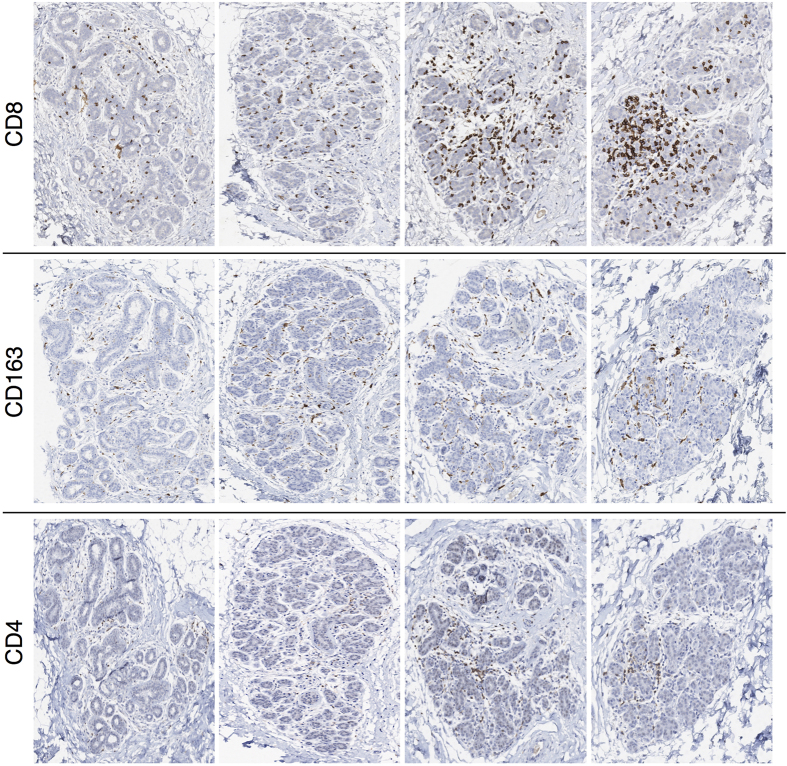
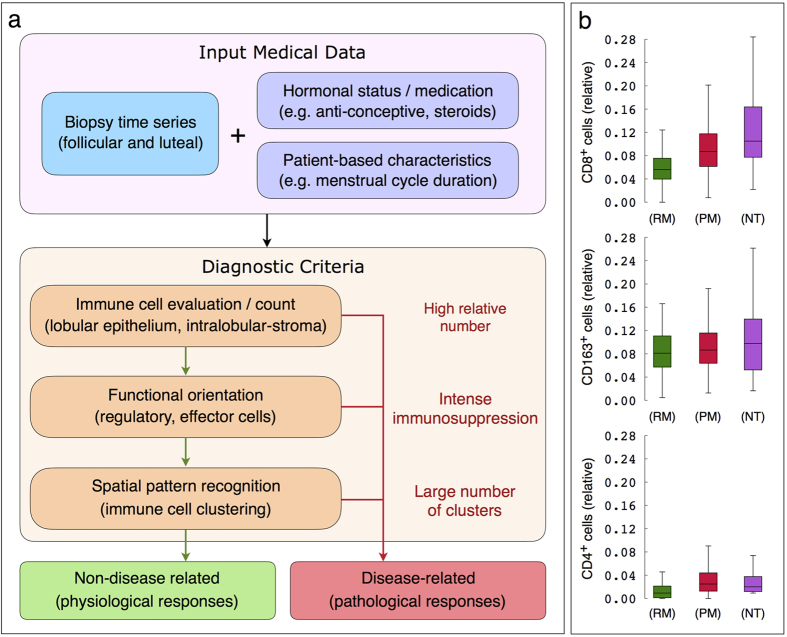
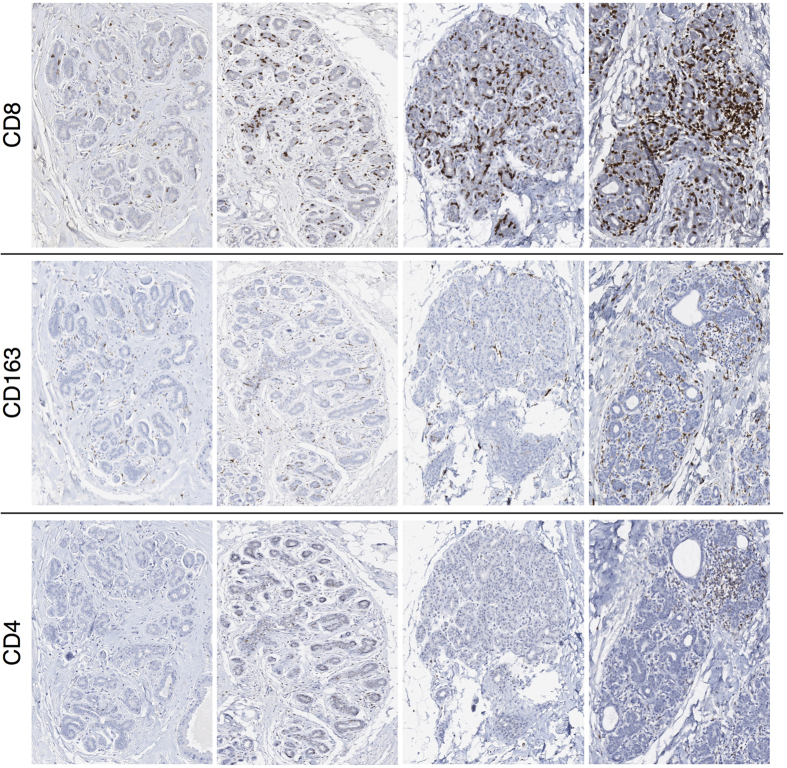
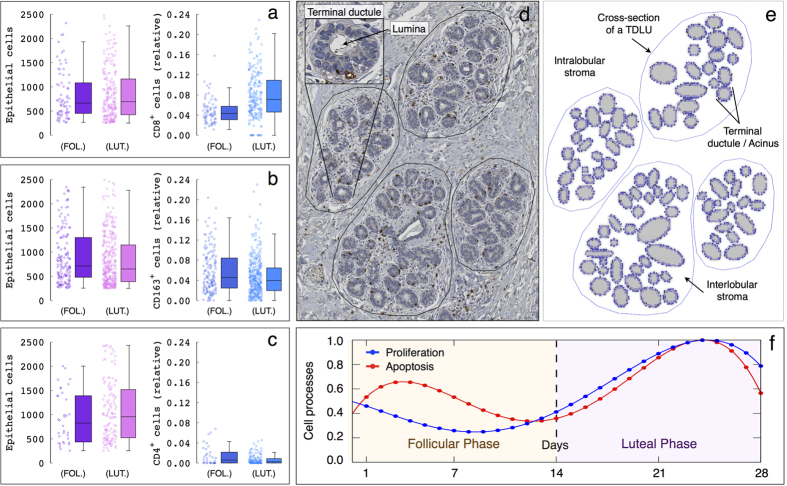
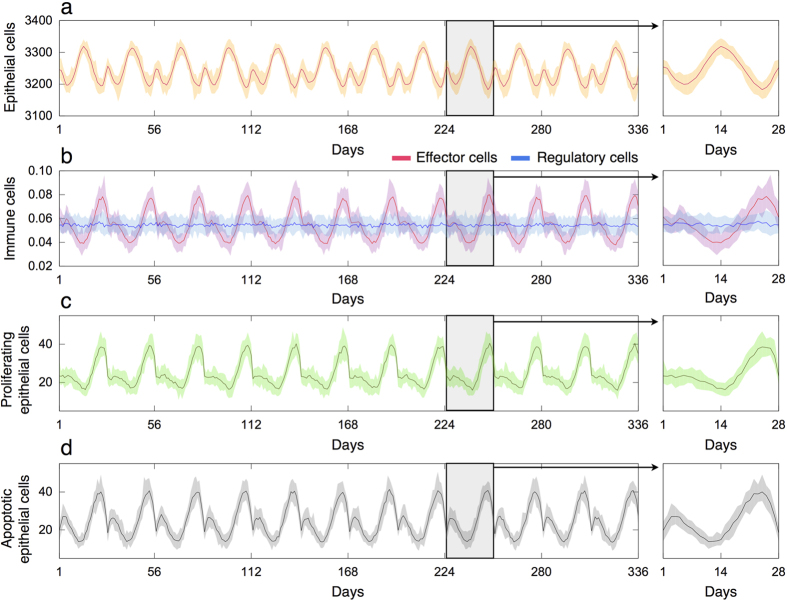
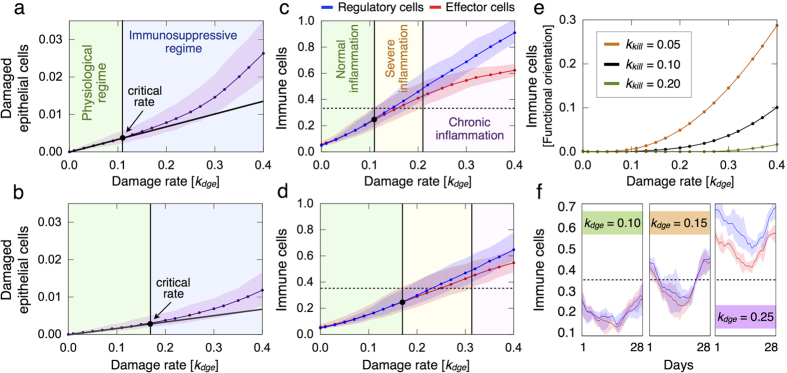
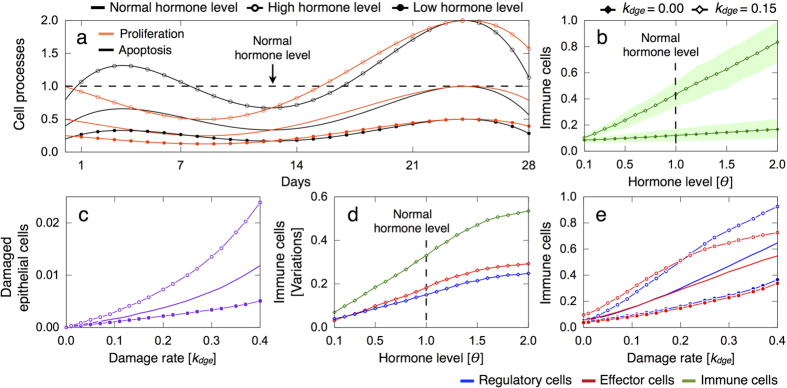
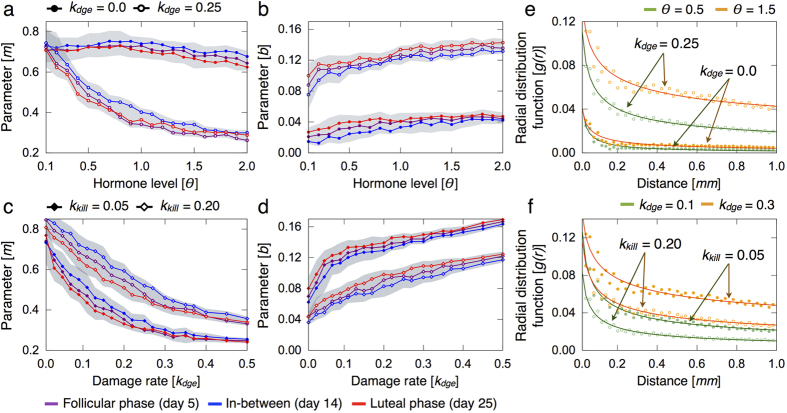
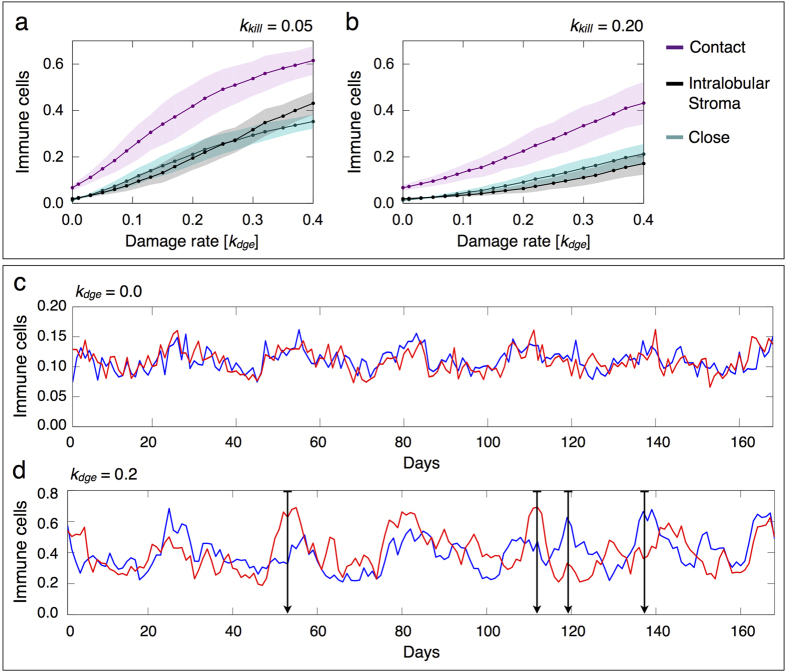
Scattered inflammatory cells are commonly observed in mammary gland tissue, most likely in response to normal cell turnover by proliferation and apoptosis, or as part of immunosurveillance. In contrast, lymphocytic lobulitis (LLO) is a recurrent inflammation pattern, characterized by lymphoid cells infiltrating lobular structures, that has been associated with increased familial breast cancer risk and immune responses to clinically manifest cancer. The mechanisms and pathogenic implications related to the inflammatory microenvironment in breast tissue are still poorly understood. Currently, the definition of inflammation is mainly descriptive, not allowing a clear distinction of LLO from physiological immunological responses and its role in oncogenesis remains unclear. To gain insights into the prognostic potential of inflammation, we developed an agent-based model of immune and epithelial cell interactions in breast lobular epithelium. Physiological parameters were calibrated from breast tissue samples of women who underwent reduction mammoplasty due to orthopedic or cosmetic reasons. The model allowed to investigate the impact of menstrual cycle length and hormone status on inflammatory responses to cell turnover in the breast tissue. Our findings suggested that the immunological context, defined by the immune cell density, functional orientation and spatial distribution, contains prognostic information previously not captured by conventional diagnostic approaches.
在乳腺组织中通常可观察到散在的炎性细胞,这很可能是对细胞通过增殖和凋亡进行正常更新的反应,或者是免疫监视的一部分。相比之下,淋巴细胞性小叶炎(LLO)是一种反复出现的炎症模式,其特征是淋巴细胞浸润小叶结构,与家族性乳腺癌风险增加以及对临床显性癌症的免疫反应有关。与乳腺组织中炎症微环境相关的机制和致病意义仍知之甚少。目前,炎症的定义主要是描述性的,无法明确区分LLO与生理性免疫反应,其在肿瘤发生中的作用仍不明确。为了深入了解炎症的预后潜力,我们开发了一种基于主体的乳腺小叶上皮中免疫细胞与上皮细胞相互作用的模型。生理参数是根据因骨科或美容原因接受乳房缩小成形术的女性的乳腺组织样本校准的。该模型能够研究月经周期长度和激素状态对乳腺组织中细胞更新的炎症反应的影响。我们的研究结果表明,由免疫细胞密度、功能取向和空间分布所定义的免疫背景包含了传统诊断方法之前未捕捉到的预后信息。