Fini M Elizabeth, Schwartz Stephen G, Gao Xiaoyi, Jeong Shinwu, Patel Nitin, Itakura Tatsuo, Price Marianne O, Price Francis W, Varma Rohit, Stamer W Daniel
USC Institute for Genetic Medicine and Department of Cell & Neurobiology, Keck School of Medicine of USC, University of Southern California, 2250 Alcatraz St., Suite 240, Los Angeles, CA, 90089, USA.
Department of Ophthalmology, Bascom Palmer Eye Institute, University of Miami Miller School of Medicine, 3880 Tamiami Trail North, Naples, FL, 34103, USA.
Prog Retin Eye Res. 2017 Jan;56:58-83. doi: 10.1016/j.preteyeres.2016.09.003. Epub 2016 Sep 22.
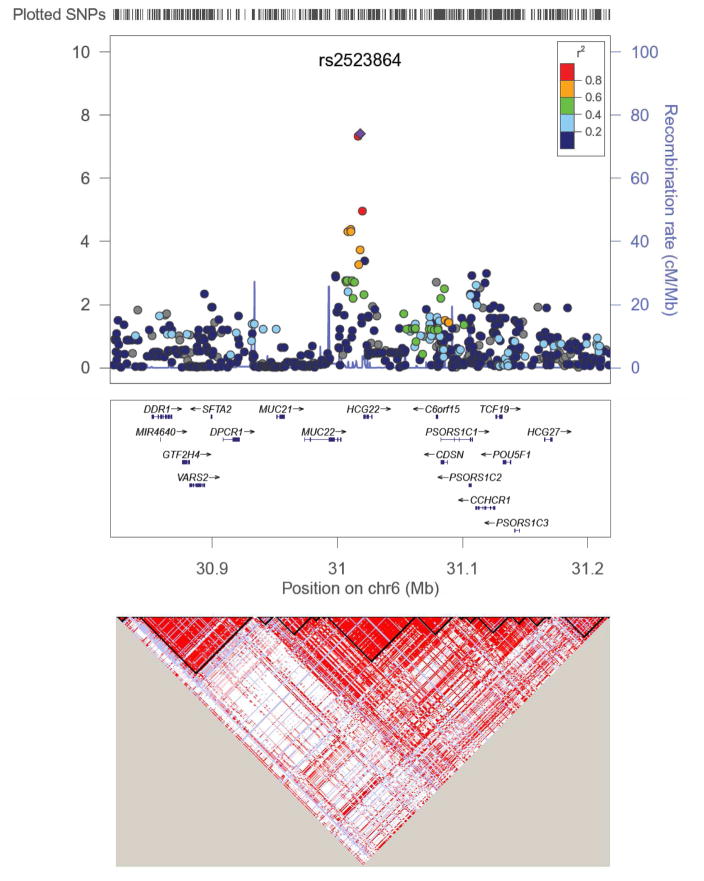
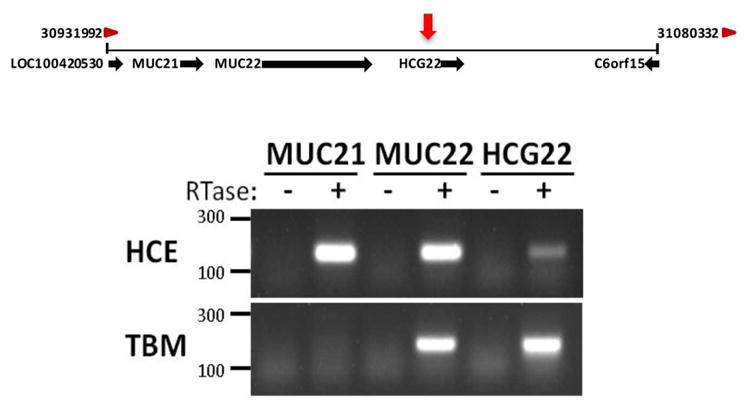
Elevation of intraocular pressure (IOP) due to therapeutic use of glucocorticoids is called steroid-induced ocular hypertension (SIOH); this can lead to steroid-induced glaucoma (SIG). Glucocorticoids initiate signaling cascades ultimately affecting expression of hundreds of genes; this provides the potential for a highly personalized pharmacological response. Studies attempting to define genetic risk factors were undertaken early in the history of glucocorticoid use, however scientific tools available at that time were limited and progress stalled. In contrast, significant advances were made over the ensuing years in defining disease pathophysiology. As the genomics age emerged, it appeared the time was right to renew investigation into genetics. Pharmacogenomics is an unbiased discovery approach, not requiring an underlying hypothesis, and provides a way to pinpoint clinically significant genes and pathways that could not have been discovered any other way. Results of the first genome-wide association study to identify polymorphisms associated with SIOH, and follow-up on two novel genes linked to the disorder, GPR158 and HCG22, is discussed in the second half of the article. However, knowledge of genetic variants determining response to steroids in the eye also has value in its own right as a predictive and diagnostic tool. This article concludes with a discussion of how the Precision Medicine Initiative, announced by U.S. President Obama in his 2015 State of the Union address, is beginning to touch the practice of ophthalmology. It is argued that SIOH/SIG may provide one of the next opportunities for effective application of precision medicine.
因糖皮质激素治疗用途导致的眼压升高称为类固醇性高眼压症(SIOH);这可能会引发类固醇性青光眼(SIG)。糖皮质激素引发信号级联反应,最终影响数百个基因的表达;这为高度个性化的药理反应提供了可能性。在糖皮质激素使用历史早期就开展了旨在确定遗传风险因素的研究,然而当时可用的科学工具有限,进展停滞不前。相比之下,在随后几年中,在明确疾病病理生理学方面取得了重大进展。随着基因组学时代的到来,似乎重新开展遗传学研究的时机已经成熟。药物基因组学是一种无偏见的发现方法,不需要潜在假设,并提供了一种确定通过其他方式无法发现的具有临床意义的基因和途径的方法。本文后半部分讨论了第一项全基因组关联研究的结果,该研究旨在识别与SIOH相关的多态性,并对与该疾病相关的两个新基因GPR158和HCG22进行了后续研究。然而,了解决定眼部对类固醇反应的基因变异本身作为一种预测和诊断工具也具有价值。本文最后讨论了美国总统奥巴马在其2015年国情咨文中宣布的精准医疗计划如何开始影响眼科实践。有人认为,SIOH/SIG可能为精准医疗的有效应用提供下一个机会之一。