Sherborne Amy L, Lavergne Vincent, Yu Katharine, Lee Leah, Davidson Philip R, Mazor Tali, Smirnoff Ivan V, Horvai Andrew E, Loh Mignon, DuBois Steven G, Goldsby Robert E, Neglia Joseph P, Hammond Sue, Robison Leslie L, Wustrack Rosanna, Costello Joseph F, Nakamura Alice O, Shannon Kevin M, Bhatia Smita, Nakamura Jean L
Department of Radiation Oncology, University of California, San Francisco, California.
Department of Finance and Statistical Analysis, University of Alberta, Edmonton, Alberta, Canada.
Clin Cancer Res. 2017 Apr 1;23(7):1852-1861. doi: 10.1158/1078-0432.CCR-16-0610. Epub 2016 Sep 28.
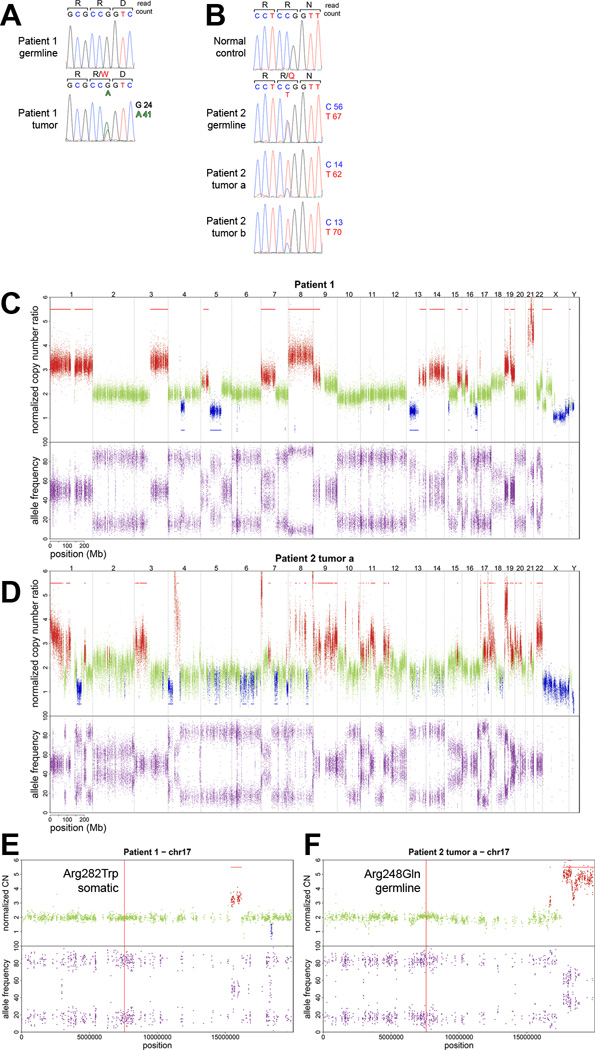
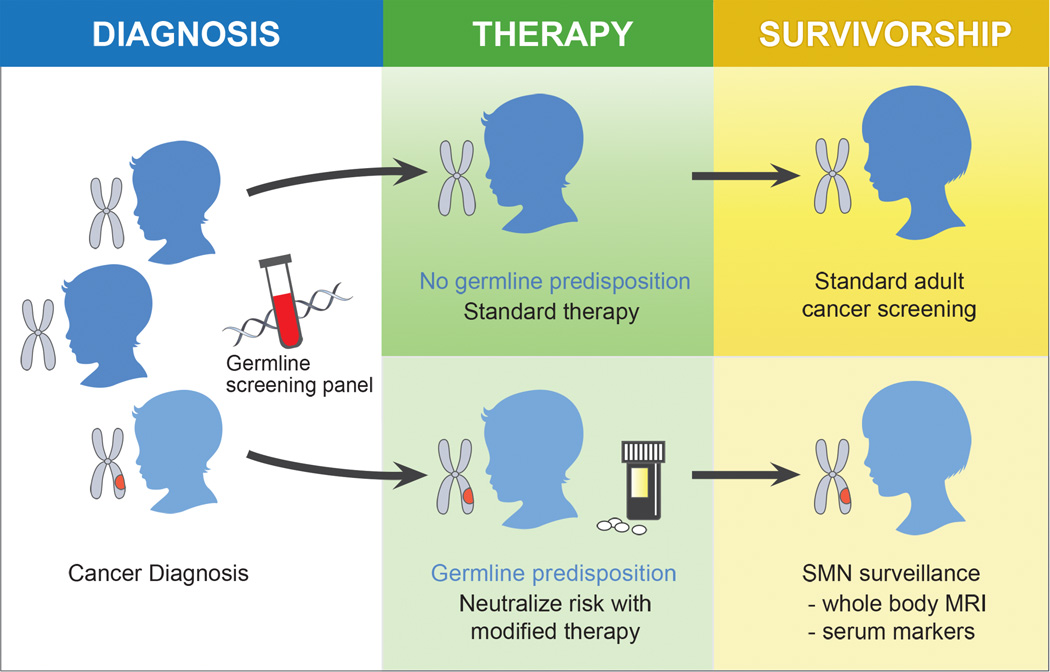
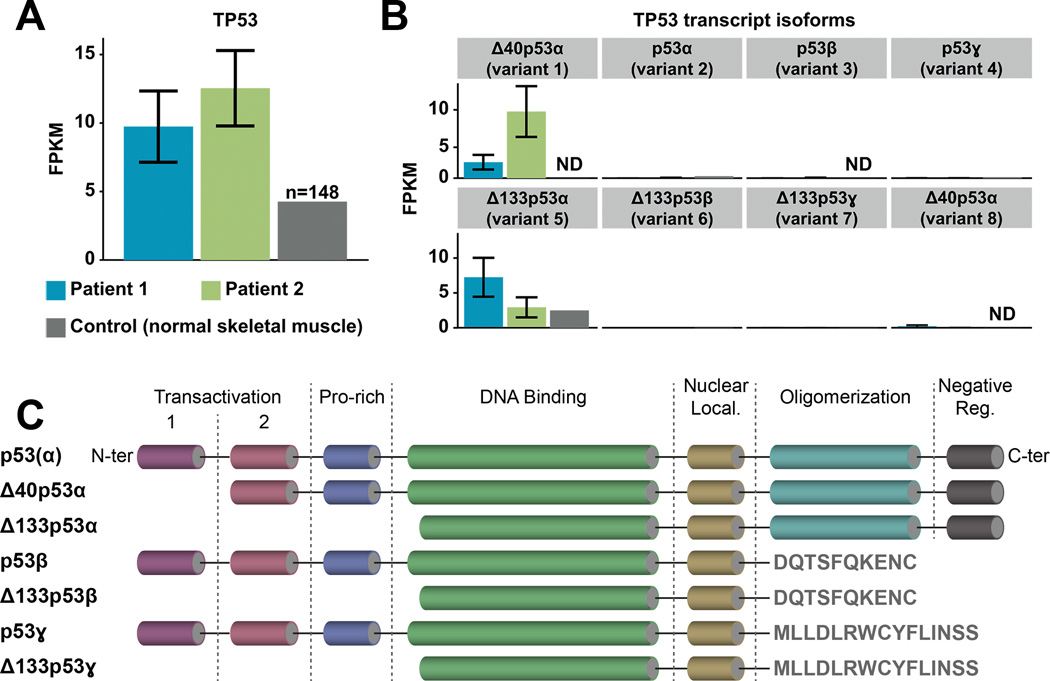
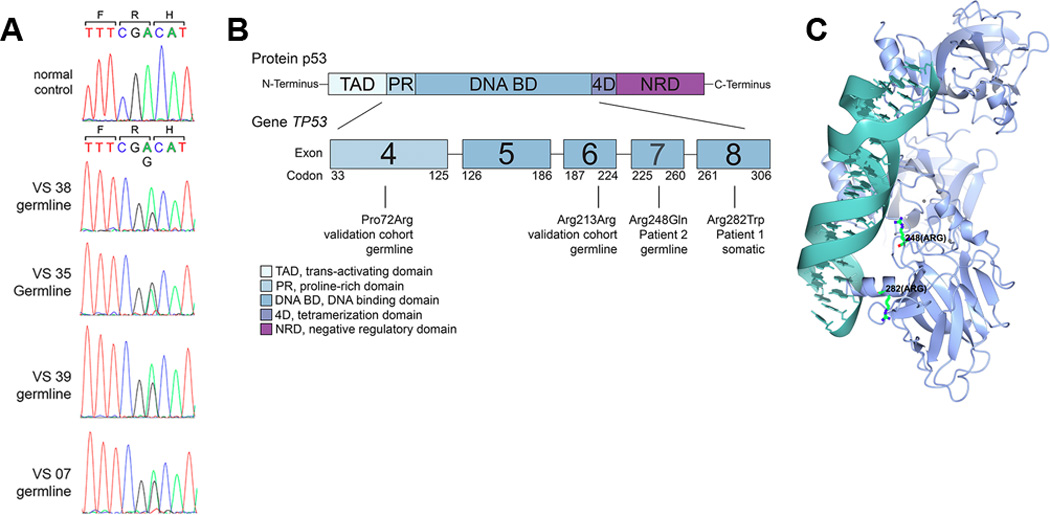
Second malignant neoplasms (SMNs) are severe late complications that occur in pediatric cancer survivors exposed to radiotherapy and other genotoxic treatments. To characterize the mutational landscape of treatment-induced sarcomas and to identify candidate SMN-predisposing variants, we analyzed germline and SMN samples from pediatric cancer survivors. We performed whole-exome sequencing (WES) and RNA sequencing on radiation-induced sarcomas arising from two pediatric cancer survivors. To assess the frequency of germline variants in SMNs, Sanger sequencing was performed to analyze germline in 37 pediatric cancer survivors from the Childhood Cancer Survivor Study (CCSS) without any history of a familial cancer predisposition syndrome but known to have developed SMNs. WES revealed mutations involving p53's DNA-binding domain in both index cases, one of which was also present in the germline. The germline and somatic mutant variants were enriched in the transcriptomes for both sarcomas. Analysis of coding exons in germline specimens from the CCSS survivor cohort identified a G215C variant encoding an R72P amino acid substitution in 6 patients and a synonymous SNP A639G in 4 others, resulting in 10 of 37 evaluable patients (27%) harboring a germline variant. Currently, germline is not routinely assessed in patients with pediatric cancer. These data support the concept that identifying germline variants at the time a primary cancer is diagnosed may identify patients at high risk for SMN development, who could benefit from modified therapeutic strategies and/or intensive posttreatment monitoring. .
第二原发性恶性肿瘤(SMNs)是暴露于放疗和其他基因毒性治疗的儿童癌症幸存者中出现的严重晚期并发症。为了描述治疗诱导的肉瘤的突变图谱并识别候选的SMN易感变异,我们分析了儿童癌症幸存者的种系和SMN样本。我们对两名儿童癌症幸存者发生的辐射诱导肉瘤进行了全外显子组测序(WES)和RNA测序。为了评估SMNs中种系变异的频率,我们进行了桑格测序,以分析来自儿童癌症幸存者研究(CCSS)的37名儿童癌症幸存者的种系,这些幸存者没有任何家族性癌症易感综合征病史,但已知发生了SMNs。WES在两个索引病例中均发现了涉及p53 DNA结合结构域的突变,其中一个也存在于种系中。两种肉瘤的转录组中种系和体细胞突变变异均富集。对CCSS幸存者队列种系标本中编码外显子的分析在6名患者中鉴定出一个编码R72P氨基酸替代的G215C变异,在另外4名患者中鉴定出一个同义SNP A639G,导致37名可评估患者中有10名(27%)携带种系变异。目前,儿童癌症患者中种系变异并未常规评估。这些数据支持这样一种概念,即在原发性癌症诊断时识别种系变异可能会识别出发生SMN风险高的患者,这些患者可能从改良的治疗策略和/或强化的治疗后监测中获益。