Wang Zhan, Li Binghao, Ren Yingqing, Ye Zhaoming
Department of Orthopaedics, Centre for Orthopaedic Research, Orthopaedics Research Institute, The Second Affiliated Hospital, Zhejiang University School of Medicine , Hangzhou , China.
Front Immunol. 2016 Sep 14;7:353. doi: 10.3389/fimmu.2016.00353. eCollection 2016.
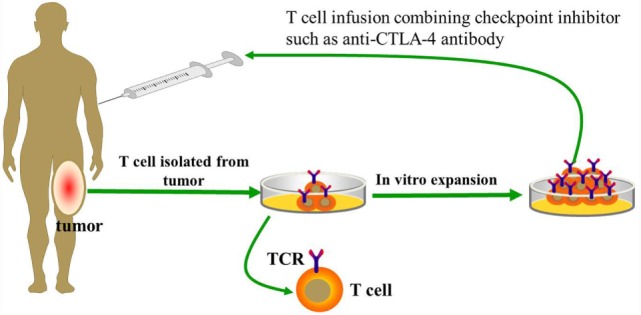
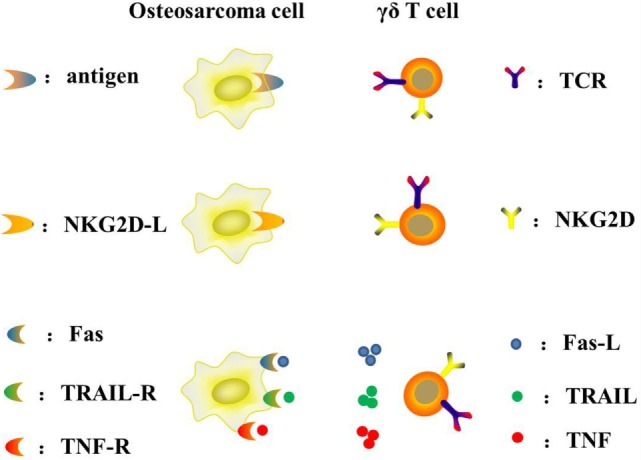
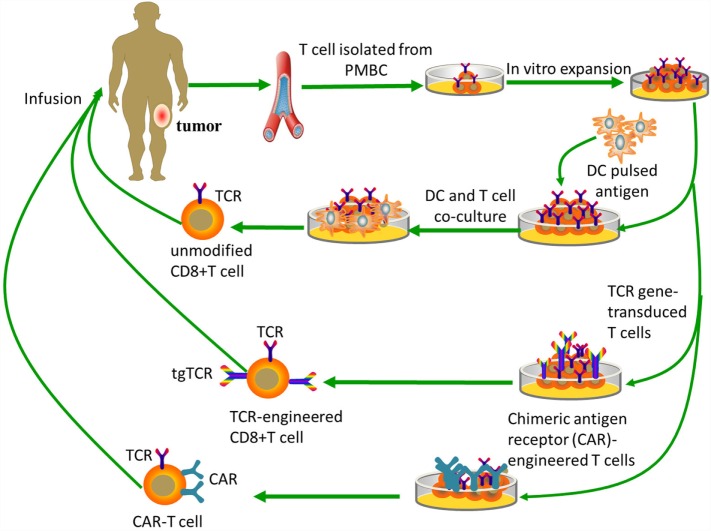
Even though combining surgery with chemotherapy has significantly improved the prognosis of osteosarcoma patients, advanced, metastatic, or recurrent osteosarcomas are often non-responsive to chemotherapy, making development of novel efficient therapeutic methods an urgent need. Adoptive immunotherapy has the potential to be a useful non-surgical modality for treatment of osteosarcoma. Recently, alternative strategies, including immunotherapies using naturally occurring or genetically modified T cells, have been found to hold promise in the treatment of hematologic malignancies and solid tumors. In this review, we will discuss possible T-cell-based therapies against osteosarcoma with a special emphasis on combination strategies to improve the effectiveness of adoptive T cell transfer and, thus, to provide a rationale for the clinical development of immunotherapies.
尽管手术联合化疗显著改善了骨肉瘤患者的预后,但晚期、转移性或复发性骨肉瘤通常对化疗无反应,因此迫切需要开发新的有效治疗方法。过继性免疫疗法有可能成为治疗骨肉瘤的一种有用的非手术方式。最近,包括使用天然存在的或基因改造的T细胞的免疫疗法在内的替代策略,已被发现在治疗血液系统恶性肿瘤和实体瘤方面具有前景。在本综述中,我们将讨论针对骨肉瘤的基于T细胞的可能疗法,特别强调联合策略以提高过继性T细胞转移的有效性,从而为免疫疗法的临床开发提供理论依据。