Lee Han-Kyu, Velazquez Sanchez Clara, Chen Mei, Morin Peter J, Wells John M, Hanlon Eugene B, Xia Weiming
Geriatric Research Education Clinical Center, Edith Nourse Rogers Memorial Veterans Hospital, Bedford, MA, United States of America.
Department of Neurology, Rhode Island Hospital and Brown University Warren Alpert Medical School, Providence, RI, United States of America.
PLoS One. 2016 Sep 29;11(9):e0163072. doi: 10.1371/journal.pone.0163072. eCollection 2016.
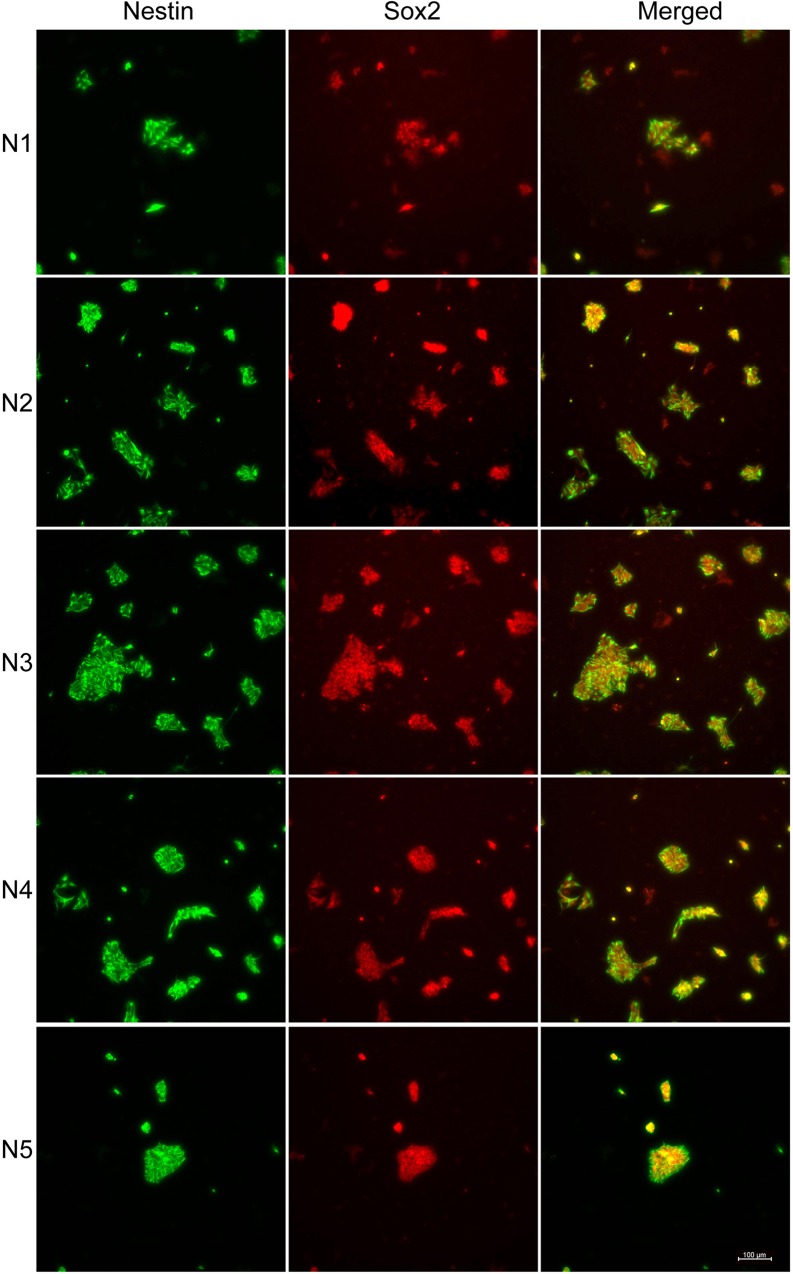
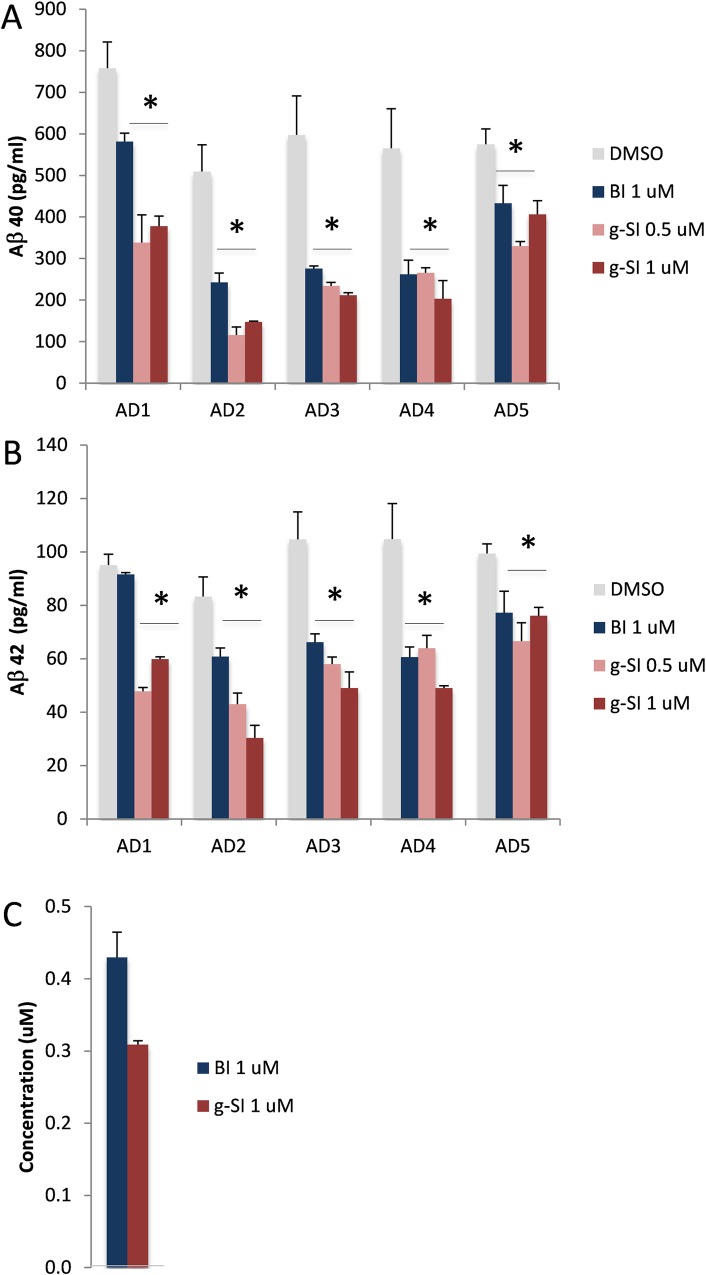
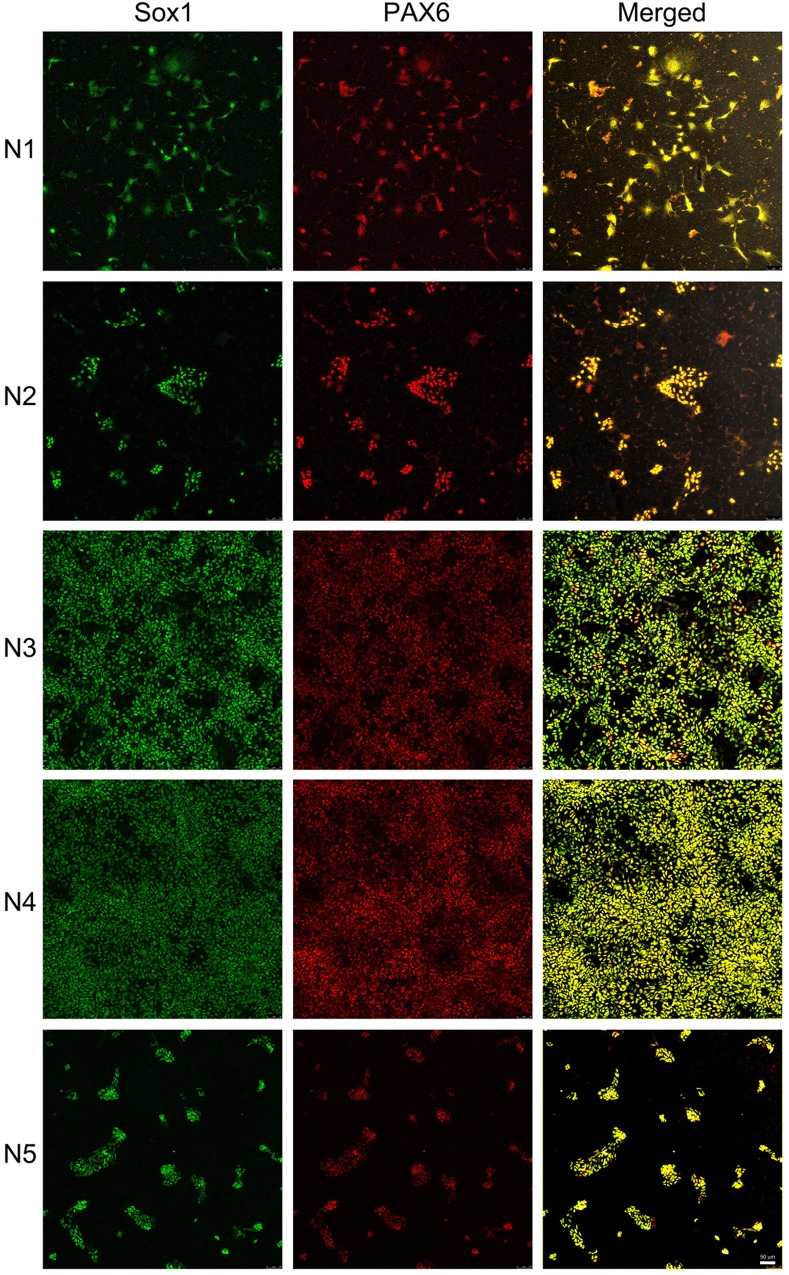
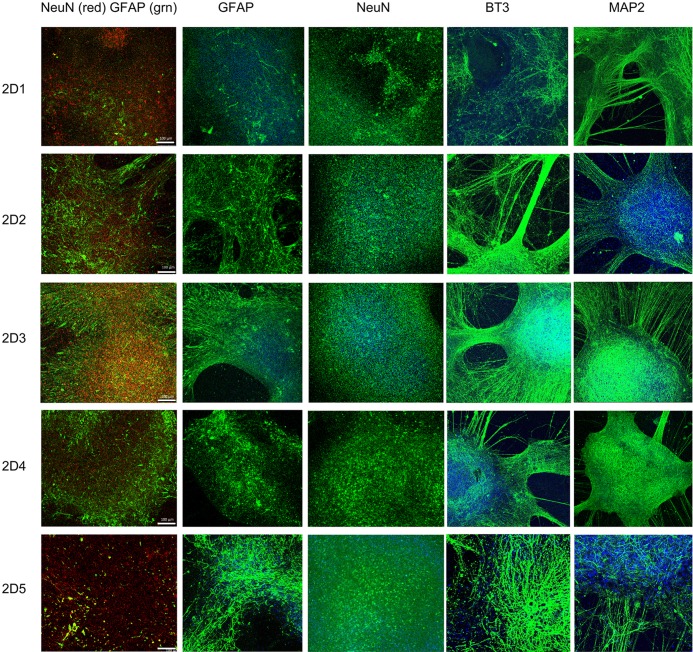
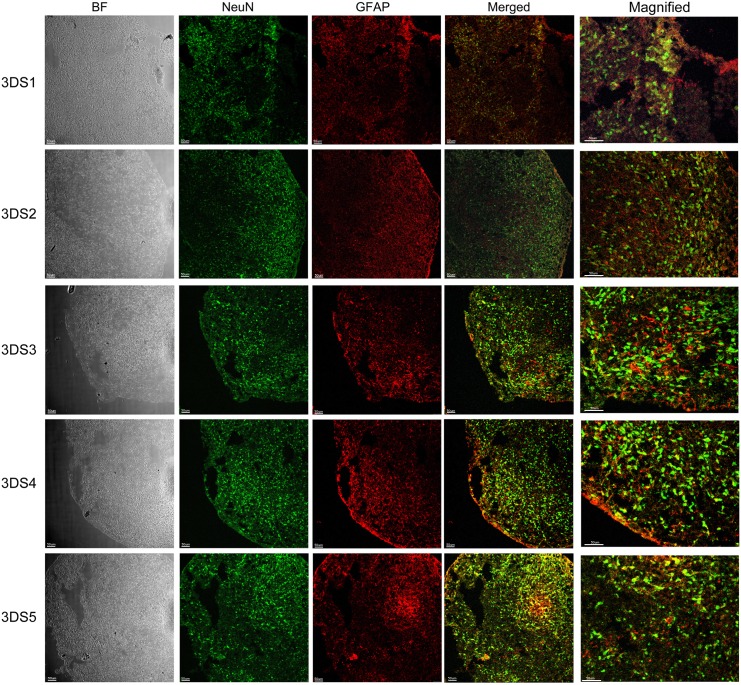
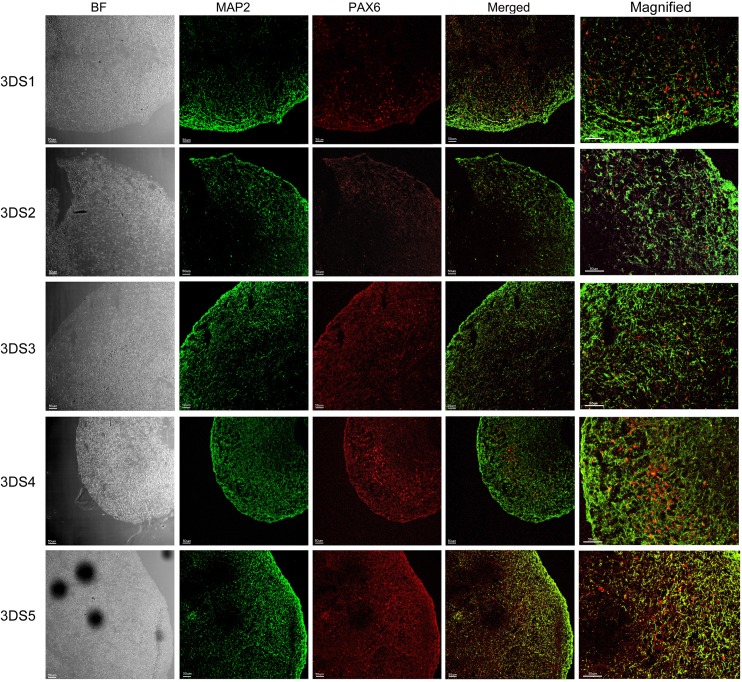
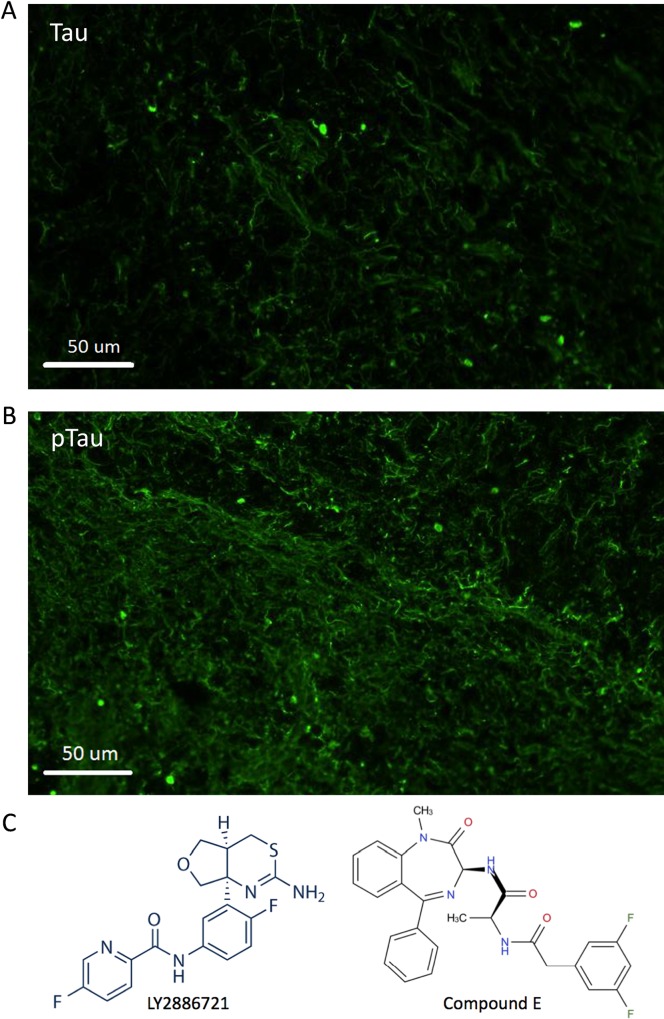
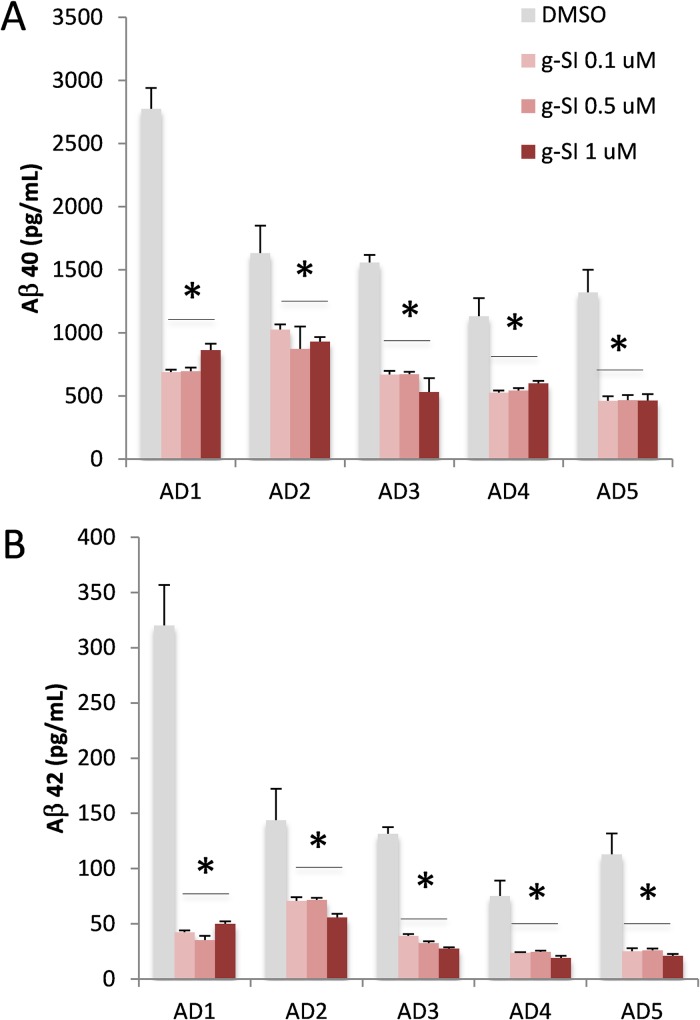
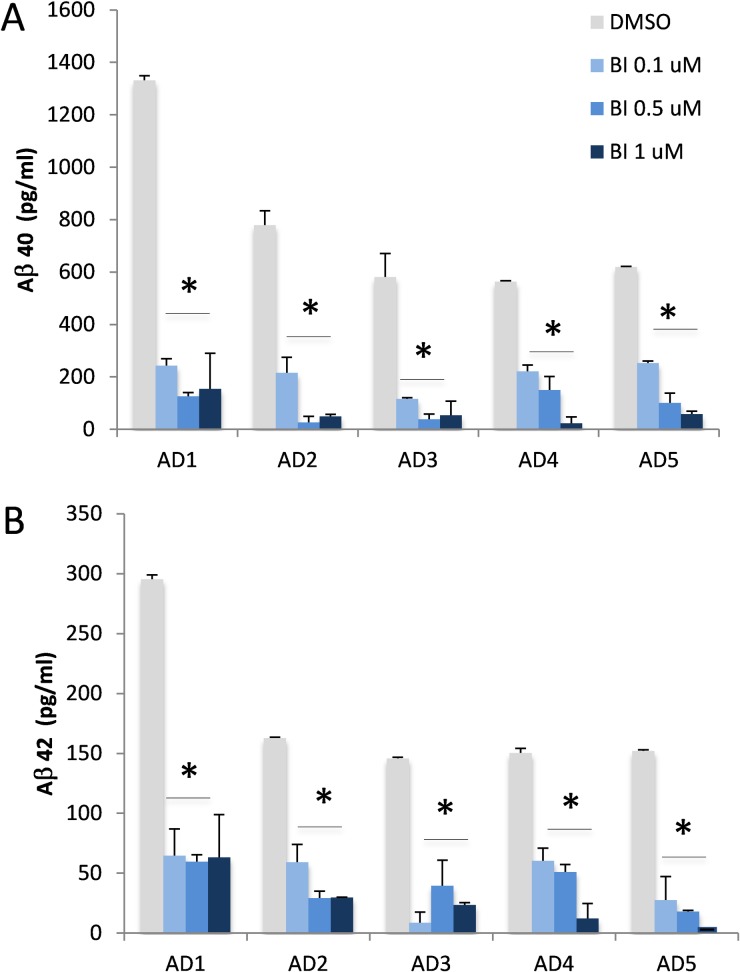
The testing of candidate drugs to slow progression of Alzheimer's disease (AD) requires clinical trials that are lengthy and expensive. Efforts to model the biochemical milieu of the AD brain may be greatly facilitated by combining two cutting edge technologies to generate three-dimensional (3D) human neuro-spheroid from induced pluripotent stem cells (iPSC) derived from AD subjects. We created iPSC from blood cells of five AD patients and differentiated them into 3D human neuronal culture. We characterized neuronal markers of our 3D neurons by immunocytochemical staining to validate the differentiation status. To block the generation of pathologic amyloid β peptides (Aβ), the 3D-differentiated AD neurons were treated with inhibitors targeting β-secretase (BACE1) and γ-secretases. As predicted, both BACE1 and γ-secretase inhibitors dramatically decreased Aβ generation in iPSC-derived neural cells derived from all five AD patients, under standard two-dimensional (2D) differentiation conditions. However, BACE1 and γ-secretase inhibitors showed less potency in decreasing Aβ levels in neural cells differentiated under 3D culture conditions. Interestingly, in a single subject AD1, we found that BACE1 inhibitor treatment was not able to significantly reduce Aβ42 levels. To investigate underlying molecular mechanisms, we performed proteomic analysis of 3D AD human neuronal cultures including AD1. Proteomic analysis revealed specific reduction of several proteins that might contribute to a poor inhibition of BACE1 in subject AD1. To our knowledge, this is the first iPSC-differentiated 3D neuro-spheroid model derived from AD patients' blood. Our results demonstrate that our 3D human neuro-spheroid model can be a physiologically relevant and valid model for testing efficacy of AD drug.
测试用于延缓阿尔茨海默病(AD)进展的候选药物需要进行耗时且昂贵的临床试验。通过结合两项前沿技术,从AD患者来源的诱导多能干细胞(iPSC)生成三维(3D)人类神经球,可能会极大地促进对AD大脑生化环境进行建模的努力。我们从五名AD患者的血细胞中创建了iPSC,并将它们分化为3D人类神经元培养物。我们通过免疫细胞化学染色对3D神经元的神经元标志物进行了表征,以验证分化状态。为了阻断病理性淀粉样β肽(Aβ)的生成,用靶向β-分泌酶(BACE1)和γ-分泌酶的抑制剂处理3D分化的AD神经元。正如预期的那样,在标准的二维(2D)分化条件下,BACE1和γ-分泌酶抑制剂均显著降低了所有五名AD患者来源的iPSC衍生神经细胞中Aβ的生成。然而,BACE1和γ-分泌酶抑制剂在降低3D培养条件下分化的神经细胞中Aβ水平方面的效力较低。有趣的是,在单个受试者AD1中,我们发现BACE1抑制剂治疗无法显著降低Aβ42水平。为了研究潜在的分子机制,我们对包括AD1在内的3D AD人类神经元培养物进行了蛋白质组学分析。蛋白质组学分析揭示了几种蛋白质的特异性减少,这些蛋白质可能导致受试者AD1中BACE1抑制效果不佳。据我们所知,这是首个源自AD患者血液的iPSC分化的3D神经球模型。我们的结果表明,我们的3D人类神经球模型可以成为测试AD药物疗效的生理相关且有效的模型。