Chi Liankai, Fan Beibei, Zhang Kunshan, Du Yanhua, Liu Zhongliang, Fang Yujiang, Chen Zhenyu, Ren Xudong, Xu Xiangjie, Jiang Cizhong, Li Siguang, Ma Lin, Gao Liang, Liu Ling, Zhang Xiaoqing
Department of Neurosurgery, Shanghai Tenth People's Hospital, Neuroregeneration Key Laboratory of Shanghai Universities, Tongji University School of Medicine, 1239 Siping Road, Shanghai 200092, China.
Department of Regenerative Medicine, Tongji University School of Medicine, Shanghai 200092, China.
Stem Cell Reports. 2016 Nov 8;7(5):941-954. doi: 10.1016/j.stemcr.2016.09.003. Epub 2016 Oct 6.
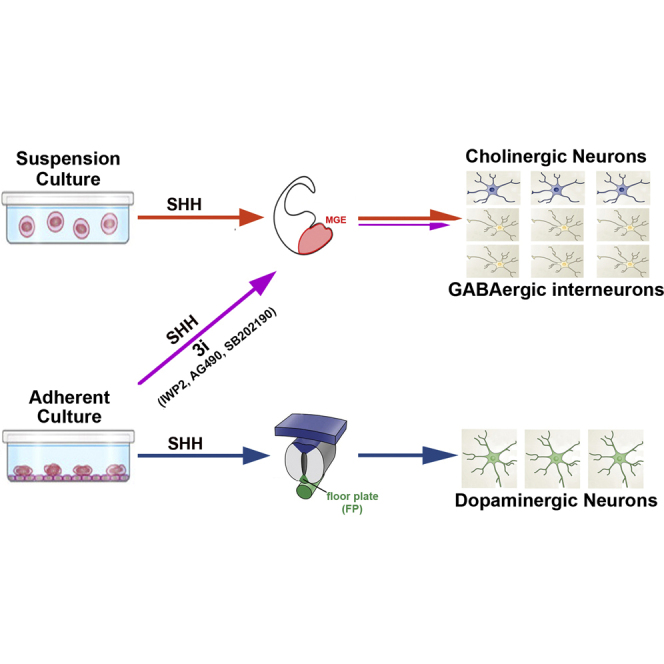
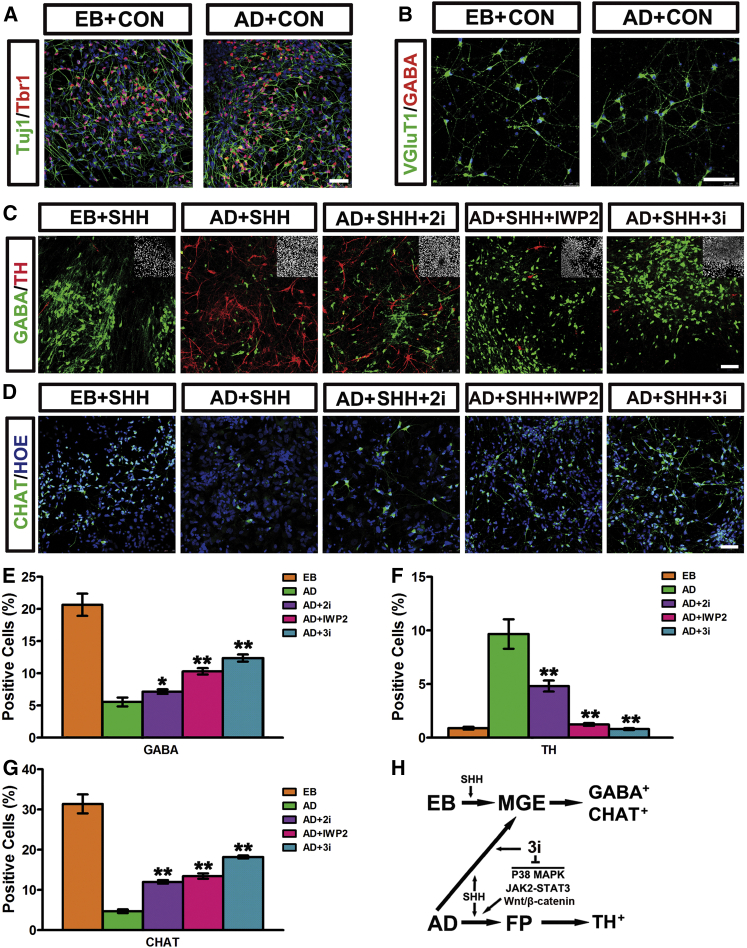
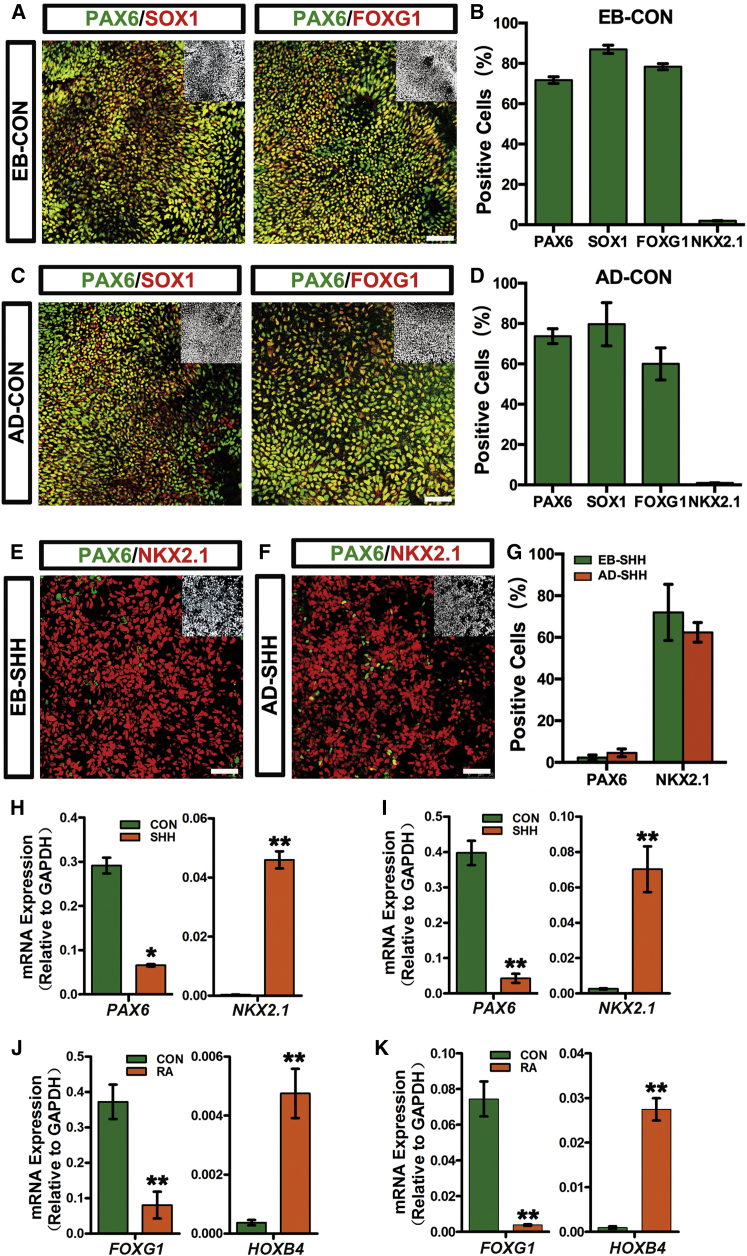
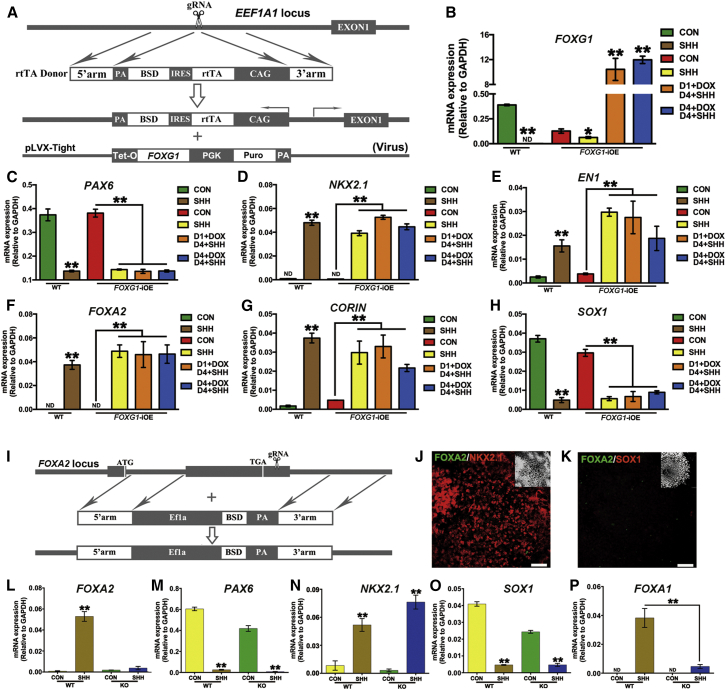
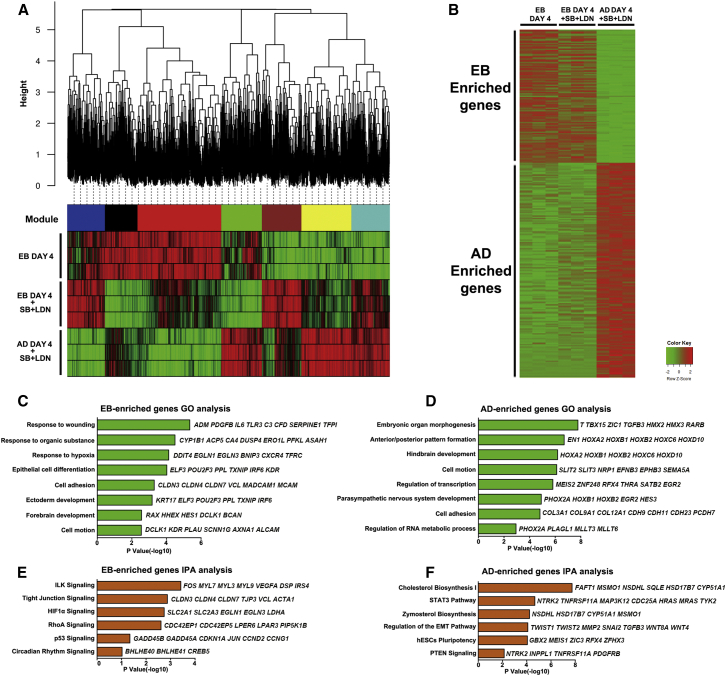
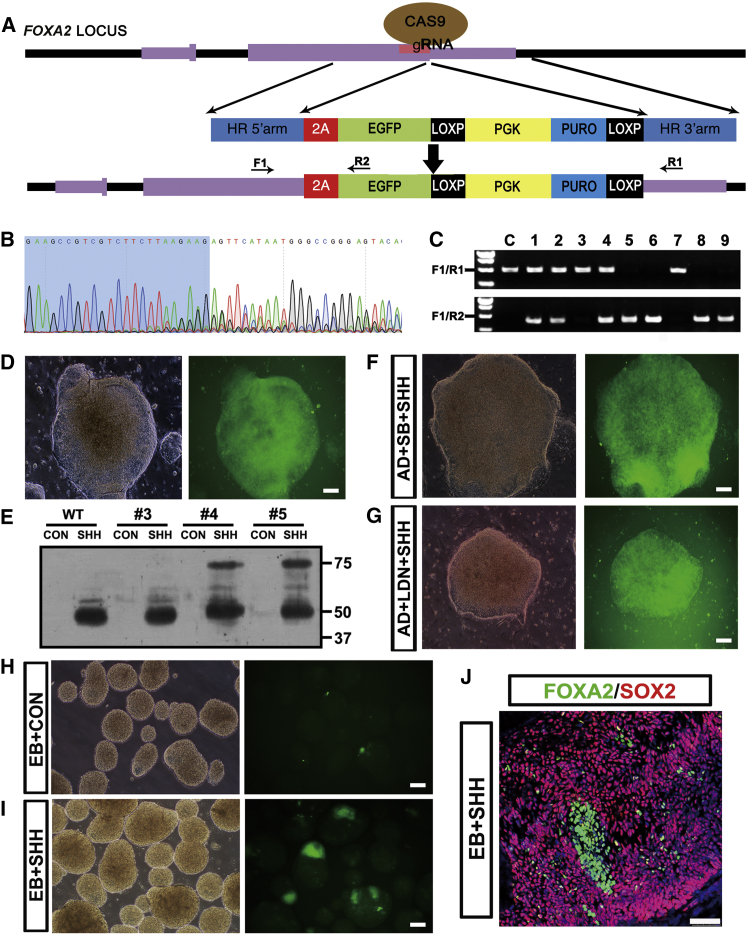
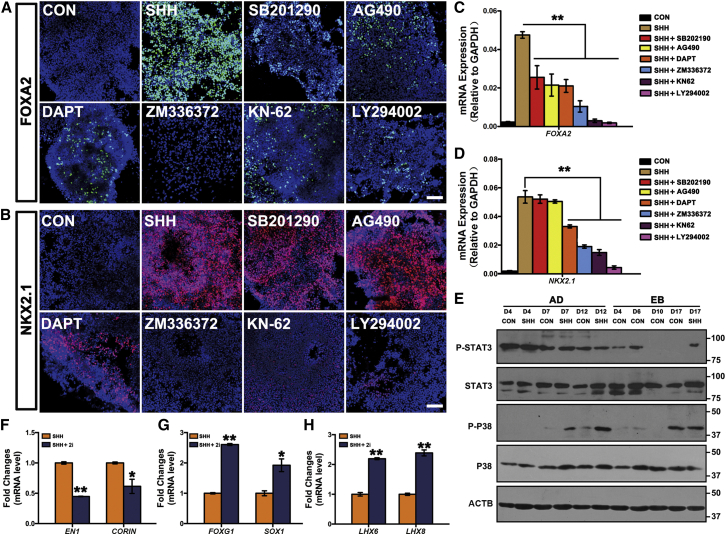
Embryoid body (EB) formation and adherent culture (AD) paradigms are equivalently thought to be applicable for neural specification of human pluripotent stem cells. Here, we report that sonic hedgehog-induced ventral neuroprogenitors under EB conditions are fated to medial ganglionic eminence (MGE), while the AD cells mostly adopt a floor-plate (FP) fate. The EB-MGE later on differentiates into GABA and cholinergic neurons, while the AD-FP favors dopaminergic neuron specification. Distinct developmental, metabolic, and adhesion traits in AD and EB cells may potentially account for their differential patterning potency. Gene targeting combined with small-molecule screening experiments identified that concomitant inhibition of Wnts, STAT3, and p38 pathways (3i) could largely convert FP to MGE under AD conditions. Thus, differentiation paradigms and signaling regulators can be integrated together to specify distinct neuronal subtypes for studying and treating related neurological diseases, such as epilepsy, Alzheimer's disease, and Parkinson's disease.
胚状体(EB)形成和贴壁培养(AD)模式被同等地认为适用于人类多能干细胞的神经定向分化。在此,我们报告,在EB条件下,音猬因子诱导产生的腹侧神经祖细胞会分化为内侧神经节隆起(MGE),而AD细胞大多会分化为底板(FP)。EB-MGE随后会分化为GABA能和胆碱能神经元,而AD-FP则有利于多巴胺能神经元的定向分化。AD和EB细胞中不同的发育、代谢和黏附特性可能是其分化模式差异的潜在原因。基因靶向结合小分子筛选实验表明,在AD条件下,同时抑制Wnt、STAT3和p38信号通路(3i)可使FP大量转化为MGE。因此,分化模式和信号调节因子可以整合在一起,以确定不同的神经元亚型,用于研究和治疗相关神经系统疾病,如癫痫、阿尔茨海默病和帕金森病。