Senst Laura, Baimoukhametova Dinara, Sterley Toni-Lee, Bains Jaideep Singh
Department of Physiology and Pharmacology, University of Calgary, Calgary, Canada.
Hotchkiss Brain Institute, University of Calgary, Calgary, Canada.
Elife. 2016 Oct 11;5:e18726. doi: 10.7554/eLife.18726.
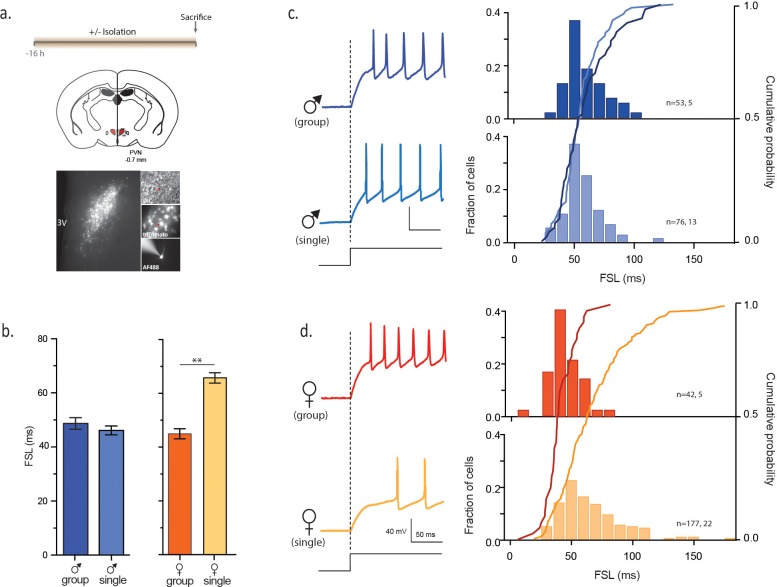
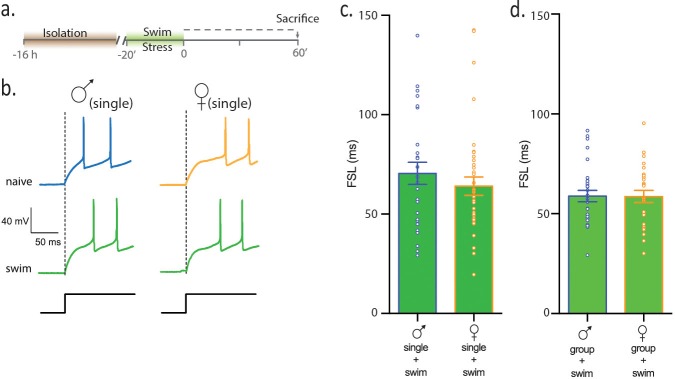
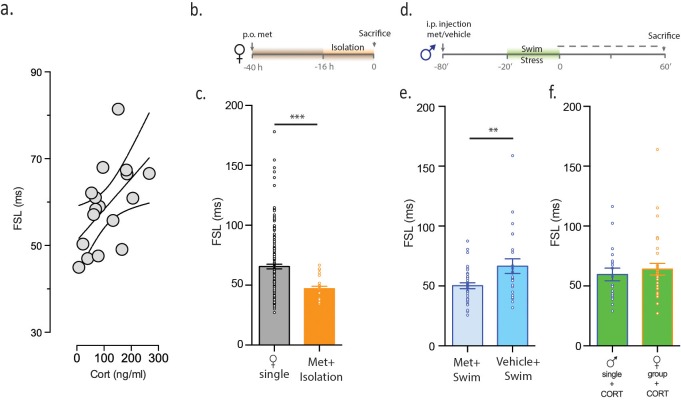
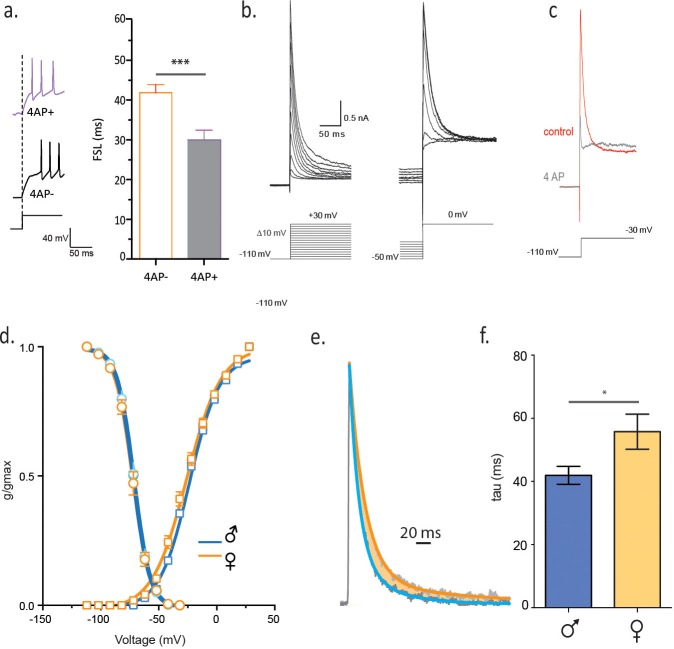
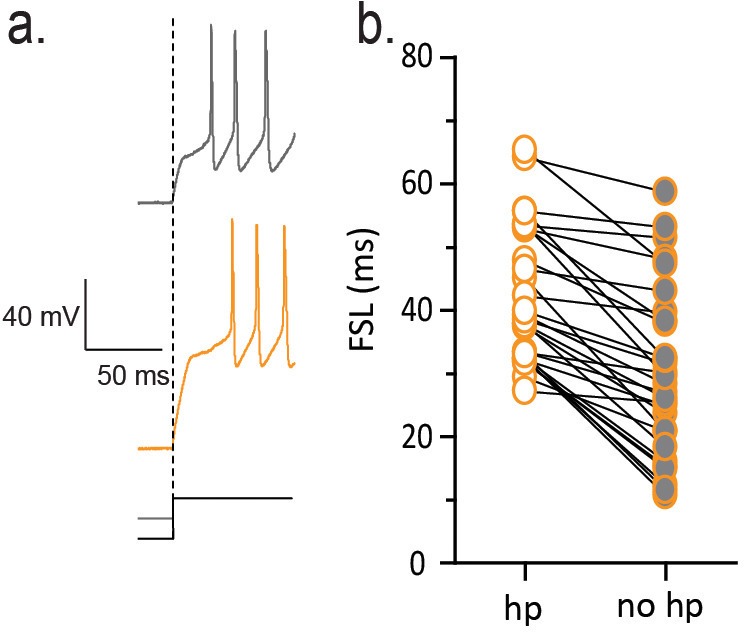
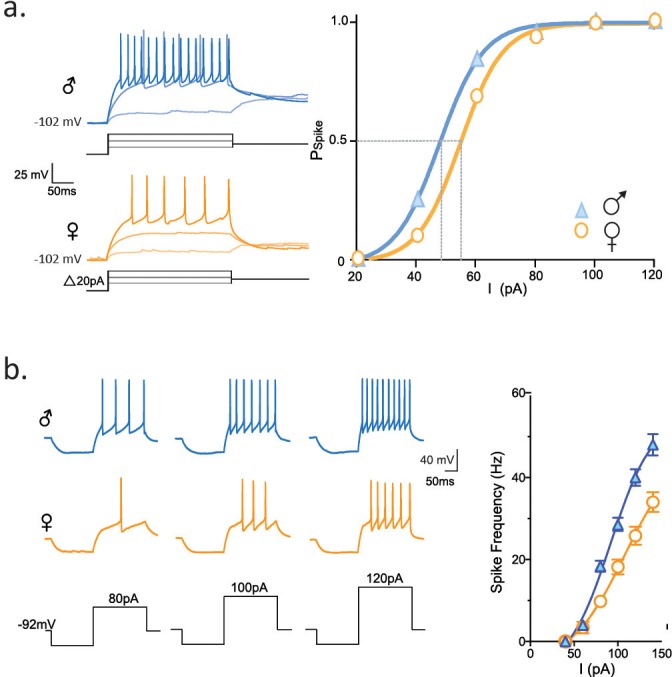
Many species use social networks to buffer the effects of stress. The mere absence of a social network, however, may also be stressful. We examined neuroendocrine, PVN CRH neurons and report that social isolation alters the intrinsic properties of these cells in sexually dimorphic fashion. Specifically, isolating preadolescent female mice from littermates for <24 hr increased first spike latency (FSL) and decreased excitability of CRH neurons. These changes were not evident in age-matched males. By contrast, subjecting either males (isolated or grouped) or group housed females to acute physical stress (swim), increased FSL. The increase in FSL following either social isolation or acute physical stress was blocked by the glucocorticoid synthesis inhibitor, metyrapone and mimicked by exogenous corticosterone. The increase in FSL results in a decrease in the excitability of CRH neurons. Our observations demonstrate that social isolation, but not acute physical stress has sex-specific effects on PVN CRH neurons.
许多物种利用社交网络来缓冲压力的影响。然而,仅仅是缺乏社交网络也可能产生压力。我们研究了神经内分泌、室旁核促肾上腺皮质激素释放激素(CRH)神经元,并报告社交隔离以性别二态性方式改变了这些细胞的内在特性。具体而言,将青春期前的雌性小鼠与同窝幼崽隔离不到24小时会增加首次放电潜伏期(FSL),并降低CRH神经元的兴奋性。这些变化在年龄匹配的雄性小鼠中并不明显。相比之下,让雄性小鼠(隔离或群居)或群居雌性小鼠遭受急性身体应激(游泳),会增加FSL。糖皮质激素合成抑制剂美替拉酮可阻断社交隔离或急性身体应激后FSL的增加,而外源性皮质酮可模拟这种增加。FSL的增加导致CRH神经元兴奋性降低。我们的观察结果表明,社交隔离而非急性身体应激对室旁核CRH神经元具有性别特异性影响。