Muluye Rekik A, Bian Yuhong, Wang Li, Alemu Paulos N, Cui Huantian, Peng Xiaofei, Li Shanshan
Tianjin University of Traditional Chinese MedicineTianjin, China; Ethiopian Public Health Institute Addis Ababa, Ethiopia.
Tianjin University of Traditional Chinese Medicine Tianjin, China.
Front Pharmacol. 2016 Sep 27;7:328. doi: 10.3389/fphar.2016.00328. eCollection 2016.
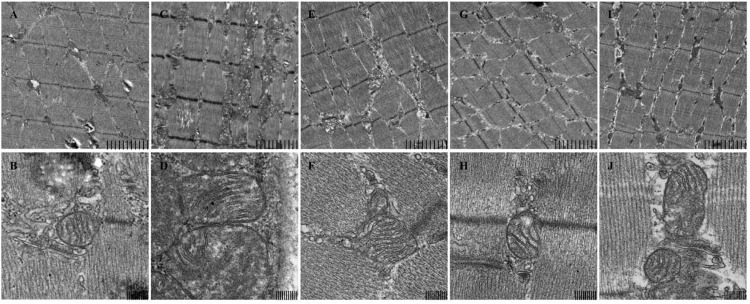
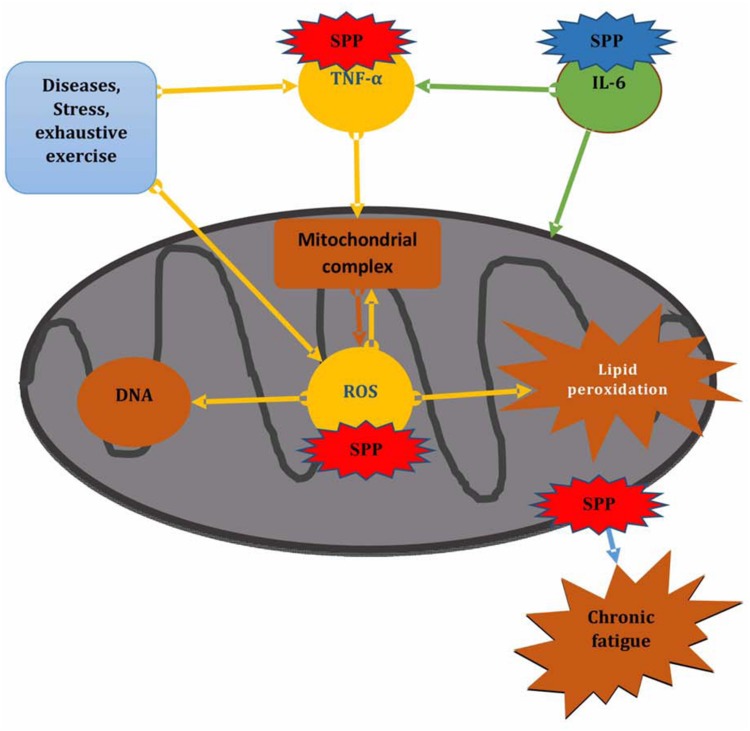
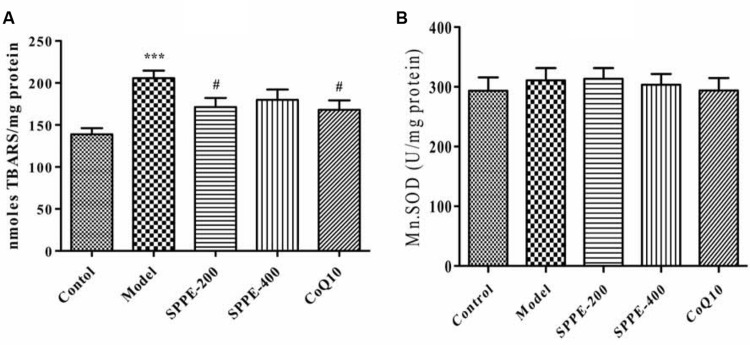
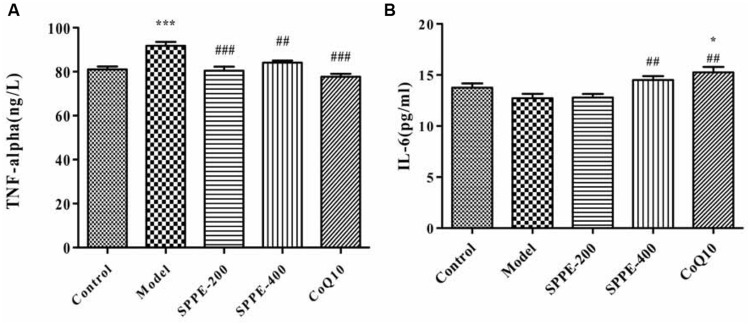
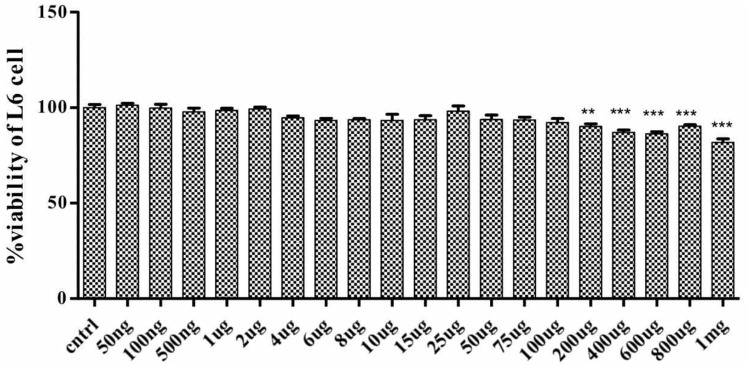
Level of fatigue is related to the metabolic energy available to tissues and cells, mainly through mitochondrial respiration, as well fatigue is the most common symptom of poorly functioning mitochondria. Hence, dysfunction of these organelles may be the cause of the fatigue seen in Chronic fatigue (CF). Placenta has been used for treatment of fatigue and various disease, moreover peptides has known protect mitochondrial viability, and alleviate fatigue. These properties of placenta and peptides may link with its effect on mitochondria; therefore, it is highly important to investigate the effectiveness of placenta peptide on fatigue and mitochondrial dysfunction. After administration of sheep placenta peptide (SPP) for 1 month, mice's were forced to swim till exhaustion for 90 min to induce chronic fatigue. Electron microscopic examination of skeletal muscle mitochondrial structure, tissue Malondialdehyde (MDA), mitochondrial SOD and serum inflammatory cytokines level were investigated in order to determine the potential effect of SPP on mitochondria during CF. Rat skeletal muscle (L6 cell) were also treated with different concentration of SPP to determine the effect of SPP on cell viability using Thiazoyl blue tetrazolium assay. Our finding revealed that forced swimming induced fatigue model can cause mitochondrial damage through Reactive oxygen species (ROS) mediated lipid peroxidation and Tumor Necrosis factor alpha (TNF-α) elevation. Whereas SPP protected fatigue induced mitochondrial dysfunction through preventing ROS and TNF-α generation, by maintaining mitochondrial dynamic network and by increasing serum IL-6 level. SPP can protect damage in mitochondrial components which will allow proper functioning of mitochondria that will in turn inhibit progression of chronic fatigue. Therefore, SPP may represent a novel therapeutic advantage for preventing mitochondrial dysfunction in patients with chronic fatigue.
疲劳程度与组织和细胞可利用的代谢能量有关,主要通过线粒体呼吸作用,因为疲劳是线粒体功能不良最常见的症状。因此,这些细胞器的功能障碍可能是慢性疲劳(CF)中所见疲劳的原因。胎盘已被用于治疗疲劳和各种疾病,此外,肽已知可保护线粒体活力并减轻疲劳。胎盘和肽的这些特性可能与其对线粒体的作用有关;因此,研究胎盘肽对疲劳和线粒体功能障碍的有效性非常重要。给予绵羊胎盘肽(SPP)1个月后,迫使小鼠游泳直至精疲力竭90分钟以诱导慢性疲劳。为了确定CF期间SPP对线粒体的潜在影响,研究了骨骼肌线粒体结构、组织丙二醛(MDA)、线粒体超氧化物歧化酶(SOD)和血清炎性细胞因子水平的电子显微镜检查。还使用噻唑蓝四氮唑法用不同浓度的SPP处理大鼠骨骼肌(L6细胞),以确定SPP对细胞活力的影响。我们的研究结果表明,强迫游泳诱导的疲劳模型可通过活性氧(ROS)介导的脂质过氧化和肿瘤坏死因子α(TNF-α)升高导致线粒体损伤。而SPP通过防止ROS和TNF-α的产生、维持线粒体动态网络以及提高血清IL-6水平来保护疲劳诱导的线粒体功能障碍。SPP可以保护线粒体成分的损伤,这将使线粒体正常运作,进而抑制慢性疲劳的进展。因此,SPP可能代表一种预防慢性疲劳患者线粒体功能障碍的新治疗优势。