Condé-Green Alexandra, Kotamarti Vasanth S, Sherman Lauren S, Keith Jonathan D, Lee Edward S, Granick Mark S, Rameshwar Pranela
Department of General Surgery - Plastic Surgery, Rutgers New Jersey Medical School, and †Graduate School of Biomedical Sciences, Newark, N.J.; Department of Medicine - Hematology/Oncology, Rutgers New Jersey Medical School, and Graduate School of Biomedical Sciences, Newark, N.J.; and Department of Medicine - Hematology/Oncology, Rutgers New Jersey Medical School, Newark, N.J.
Plast Reconstr Surg Glob Open. 2016 Sep 7;4(9):e1017. doi: 10.1097/GOX.0000000000001017. eCollection 2016 Sep.
Standard isolation of adipose stromal vascular fraction (SVF) requires the use of collagenase and is considered more than "minimally manipulated" by current good manufacturing practice requirements. Alternatively, nonenzymatic isolation methods have surfaced using physical forces to separate cells from the adipose matrix. The purpose of this study was to review the literature on the use of mechanical isolation protocols and compare the results. The implication for use as a standard procedure in practice is discussed.
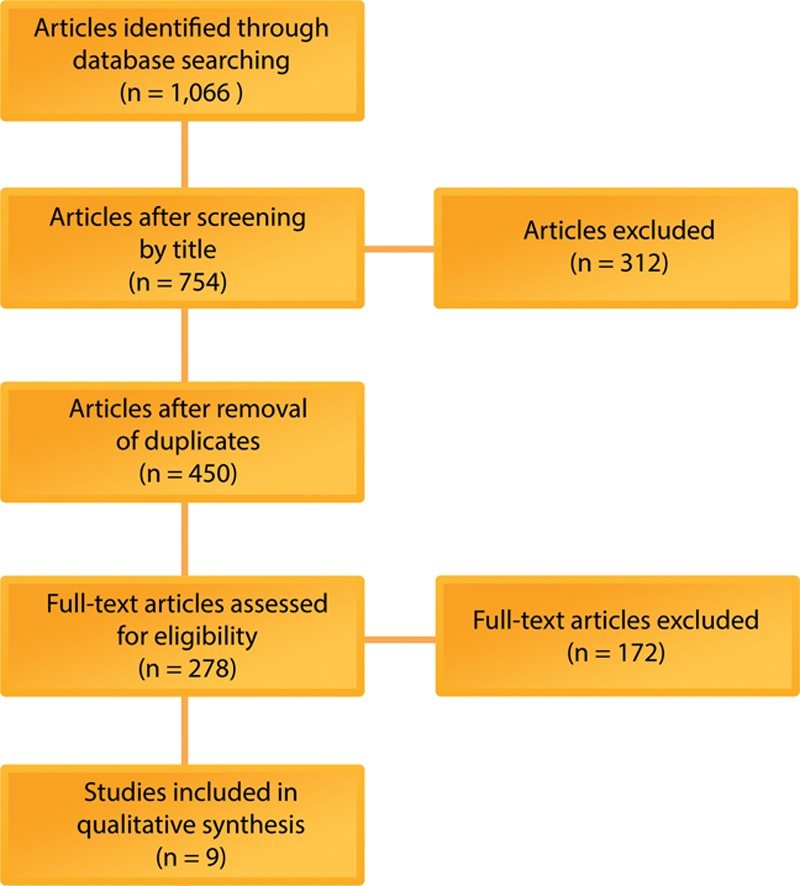
A systematic review of the literature was performed on mechanical isolation of SVF with a search of six terms on PubMed and Medline databases. One thousand sixty-six articles were subject to evaluation by predetermined inclusion and exclusion criteria.
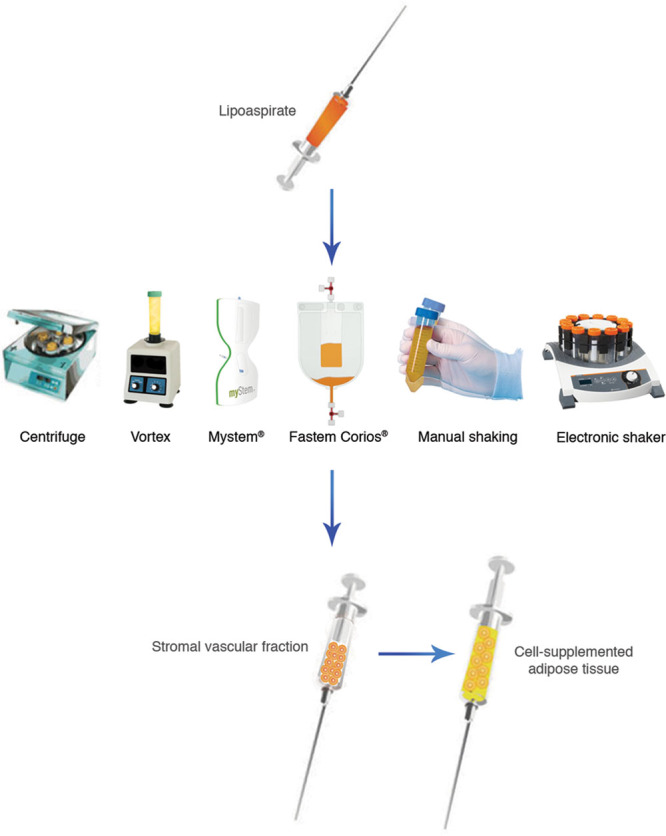
Two level 2 evidence articles and 7 in vitro studies were selected. SVF was isolated using automated closed systems or by subjecting the lipoaspirate to centrifugation only or by shaking or vortexing followed by centrifugation. Six articles reported isolation in laboratory settings and three inside the operating room. Stromal vascular cells expressed CD34, and CD44, CD73, CD90, and CD105, and differentiated along adipogenic and osteogenic lineages. When compared with enzymatic methods, mechanical isolation required less time but yielded fewer cells. Both case-control studies reported improved volume retention with cell-supplemented fat grafts for breast reconstruction.
Mechanical isolation methods are alternatives to circumvent safety issues posed by enzymatic protocols. However, randomized comparative studies with long-term clinical outcomes using mechanically isolated stromal vascular cells are needed to identify their ideal clinical applications.
脂肪基质血管成分(SVF)的标准分离需要使用胶原酶,并且按照现行良好生产规范要求,该过程被认为不仅仅是“最低限度操作”。另外,非酶分离方法已经出现,利用物理力将细胞与脂肪基质分离。本研究的目的是回顾关于机械分离方案应用的文献并比较结果。还讨论了其在实际应用中作为标准程序的意义。
对SVF机械分离的文献进行系统回顾,在PubMed和Medline数据库中搜索六个术语。1066篇文章根据预定的纳入和排除标准进行评估。
选择了2篇2级证据文章和7项体外研究。SVF通过自动封闭系统分离,或者仅对抽脂物进行离心,或者先振荡或涡旋然后再离心来分离。6篇文章报道在实验室环境中进行分离,3篇在手术室中进行。基质血管细胞表达CD34、CD44、CD73、CD90和CD105,并沿成脂和成骨谱系分化。与酶法相比,机械分离所需时间更少,但获得的细胞数量更少。两项病例对照研究均报告,在乳房重建中,细胞补充脂肪移植的体积保留情况有所改善。
机械分离方法是规避酶法带来的安全问题的替代方法。然而,可以识别其理想临床应用的长期临床结果的随机对照研究仍有待开展,该项研究需使用机械分离的基质血管细胞。