Savory Christopher N, Ganose Alex M, Travis Will, Atri Ria S, Palgrave Robert G, Scanlon David O
University College London , Kathleen Lonsdale Materials Chemistry , Department of Chemistry , 20 Gordon Street , London WC1H 0AJ , UK . Email:
University College London , Department of Chemistry , London WC1H 0AJ , UK.
J Mater Chem A Mater. 2016 Aug 28;4(32):12648-12657. doi: 10.1039/c6ta03376h. Epub 2016 Jul 23.
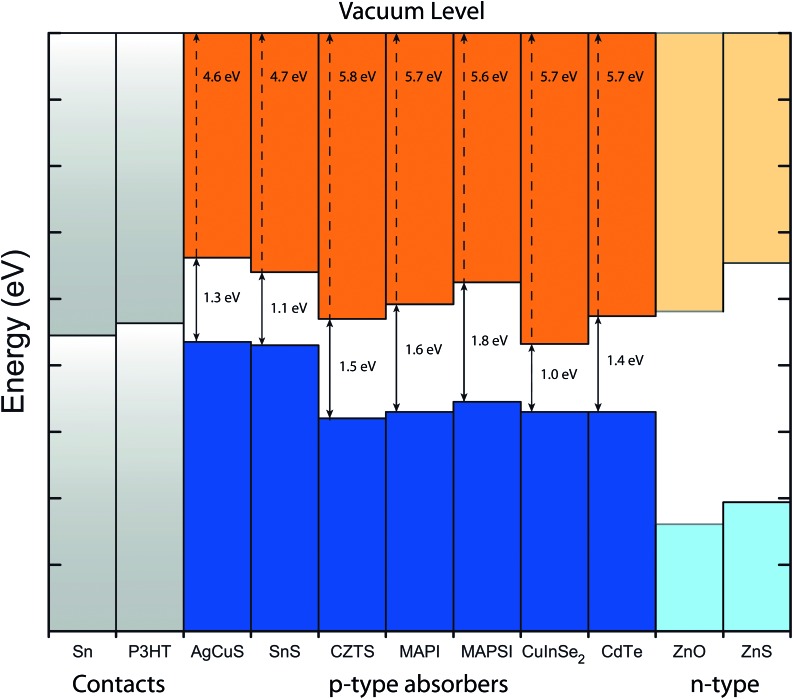
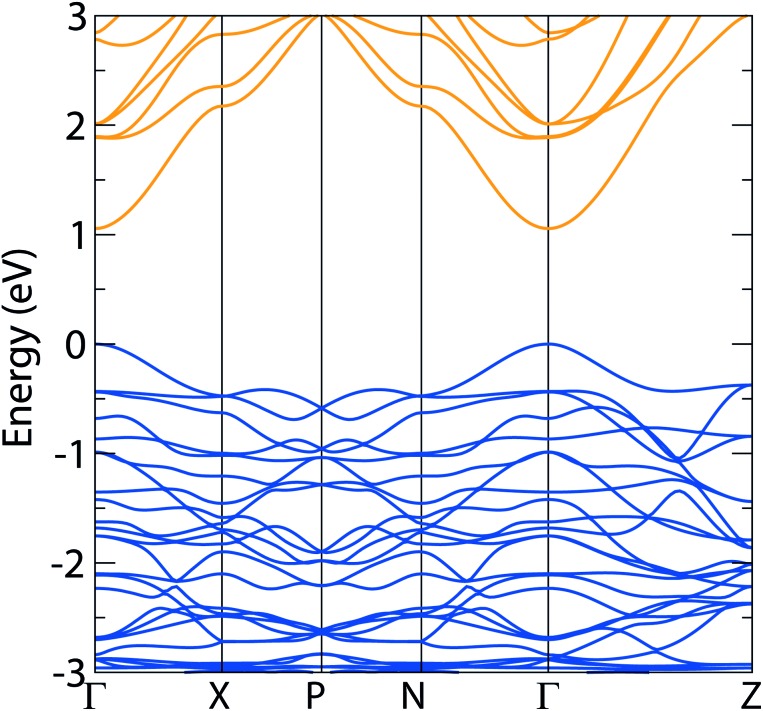
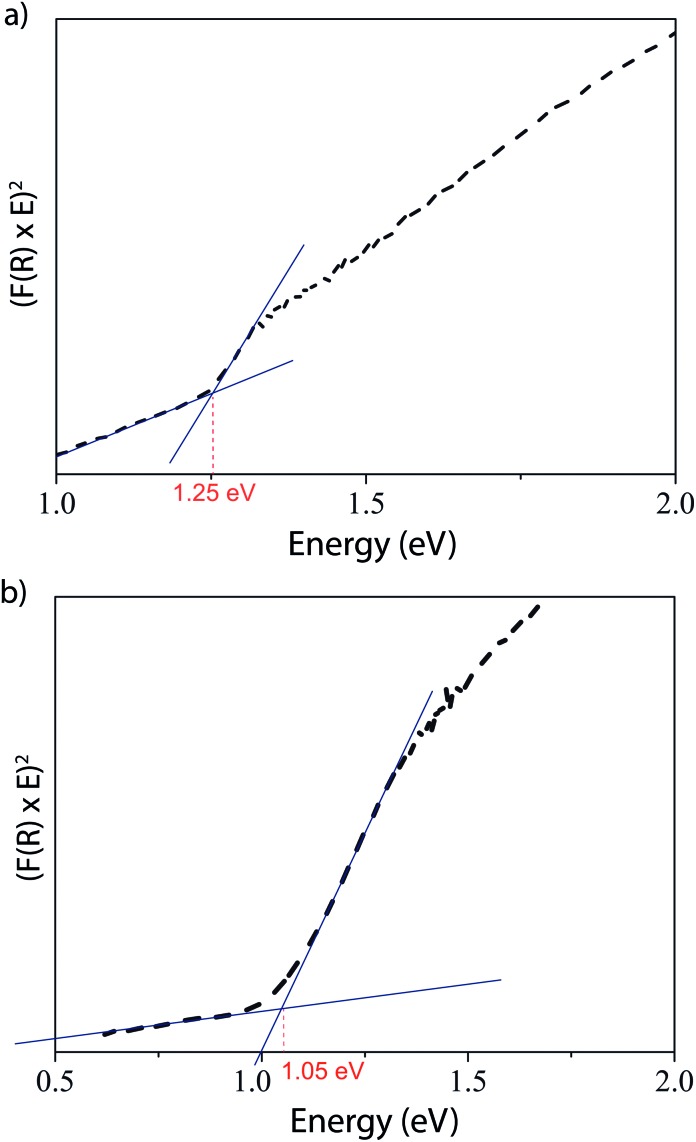
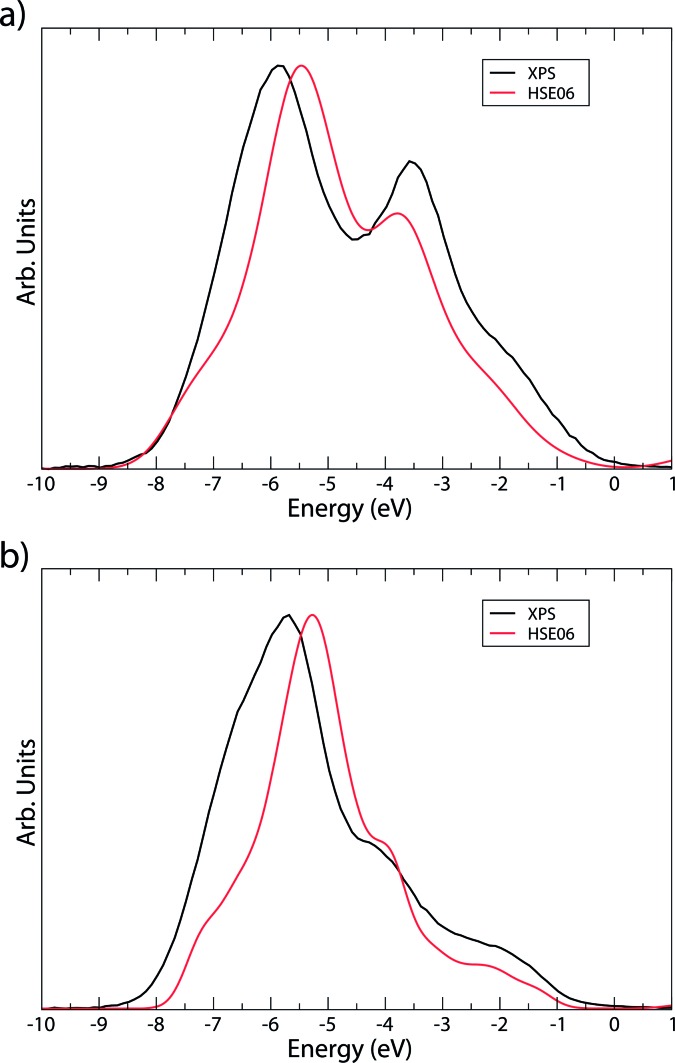
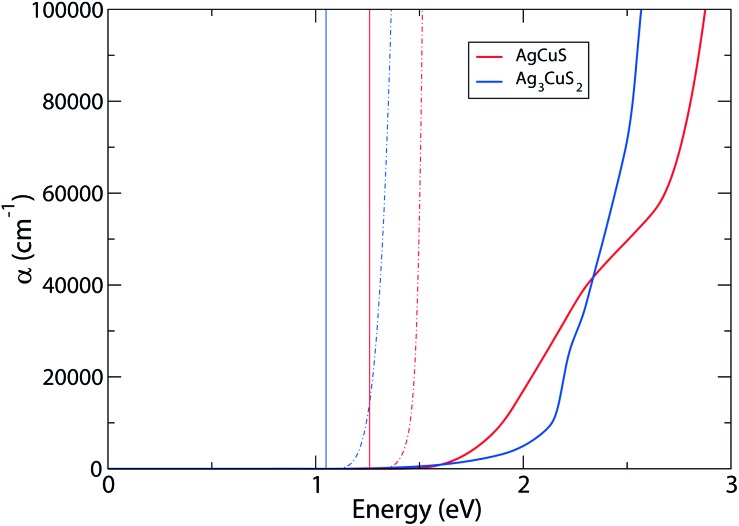
As the worldwide demand for energy increases, low-cost solar cells are being looked to as a solution for the future. To attain this, non-toxic earth-abundant materials are crucial, however cell efficiencies for current materials are limited in many cases. In this article, we examine the two silver copper sulfides AgCuS and AgCuS as possible solar absorbers using hybrid density functional theory, diffuse reflectance spectroscopy, XPS and Hall effect measurements. We show that both compounds demonstrate promising electronic structures and band gaps for high theoretical efficiency solar cells, based on Shockley-Queisser limits. Detailed analysis of their optical properties, however, indicates that only AgCuS should be of interest for PV applications, with a high theoretical efficiency. From this, we also calculate the band alignment of AgCuS against various buffer layers to aid in future device construction.
随着全球能源需求的增加,低成本太阳能电池正被视为未来的解决方案。要实现这一目标,无毒且储量丰富的材料至关重要,然而目前材料的电池效率在很多情况下是有限的。在本文中,我们使用混合密度泛函理论、漫反射光谱、X射线光电子能谱和霍尔效应测量,研究了两种银铜硫化物AgCuS和Ag₂CuS作为可能的太阳能吸收体。我们表明,基于肖克利-奎塞尔极限,这两种化合物都展示出了对于高理论效率太阳能电池有前景的电子结构和带隙。然而,对它们光学性质的详细分析表明,只有AgCuS因其高理论效率而应成为光伏应用的关注点。据此,我们还计算了AgCuS与各种缓冲层的能带排列,以助力未来器件的构建。