Bayin N S, Frenster J D, Kane J R, Rubenstein J, Modrek A S, Baitalmal R, Dolgalev I, Rudzenski K, Scarabottolo L, Crespi D, Redaelli L, Snuderl M, Golfinos J G, Doyle W, Pacione D, Parker E C, Chi A S, Heguy A, MacNeil D J, Shohdy N, Zagzag D, Placantonakis D G
Department of Neurosurgery, New York University School of Medicine, New York, NY, USA.
Kimmel Center for Stem Cell Biology, New York University School of Medicine, New York, NY, USA.
Oncogenesis. 2016 Oct 24;5(10):e263. doi: 10.1038/oncsis.2016.63.
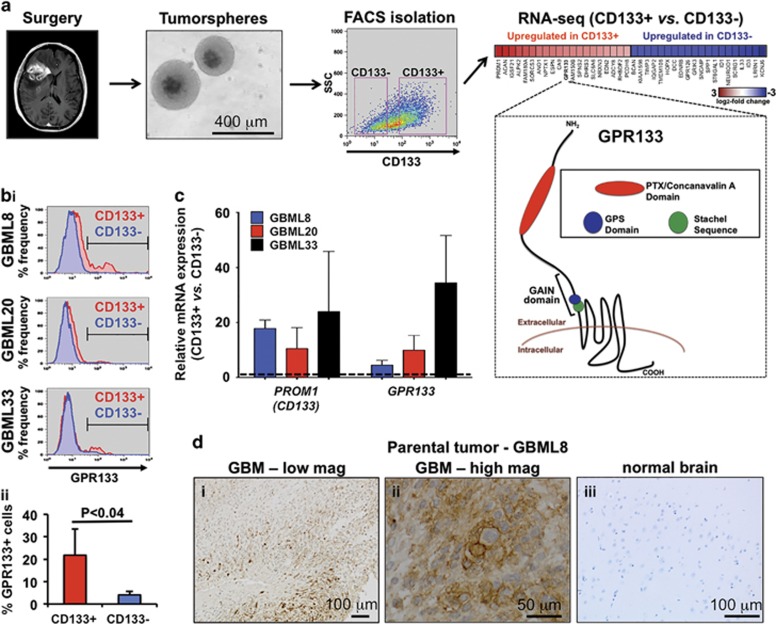
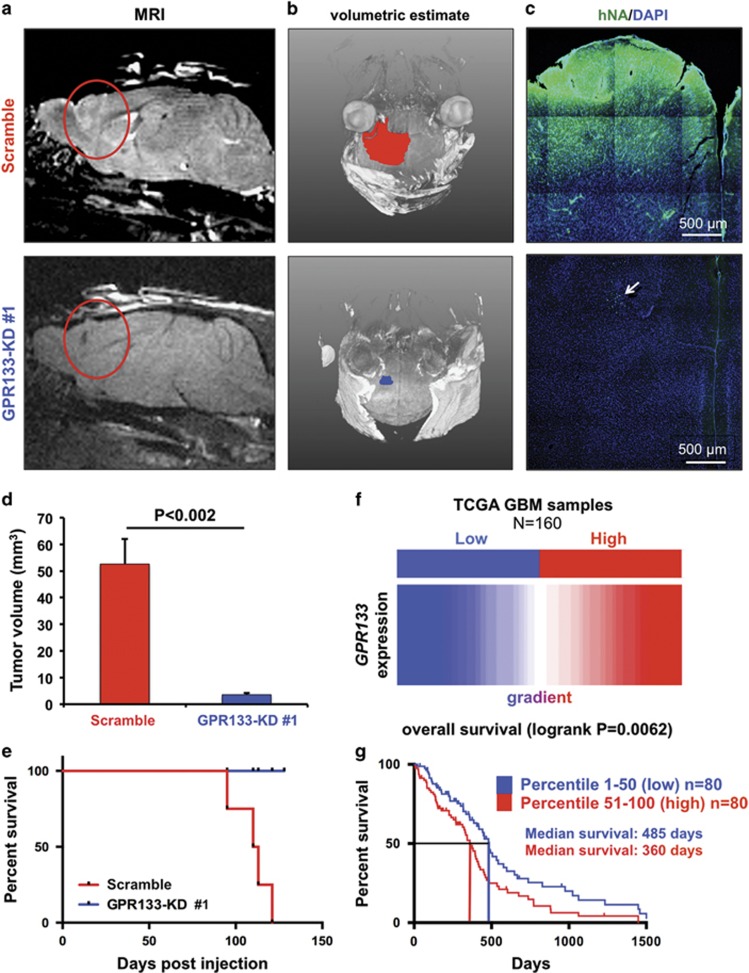
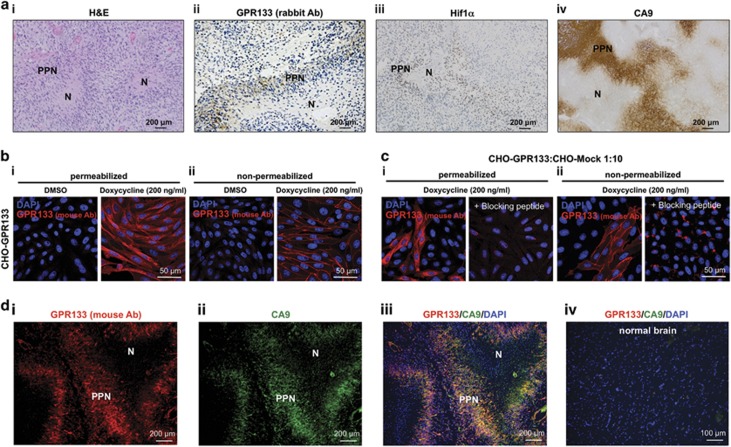
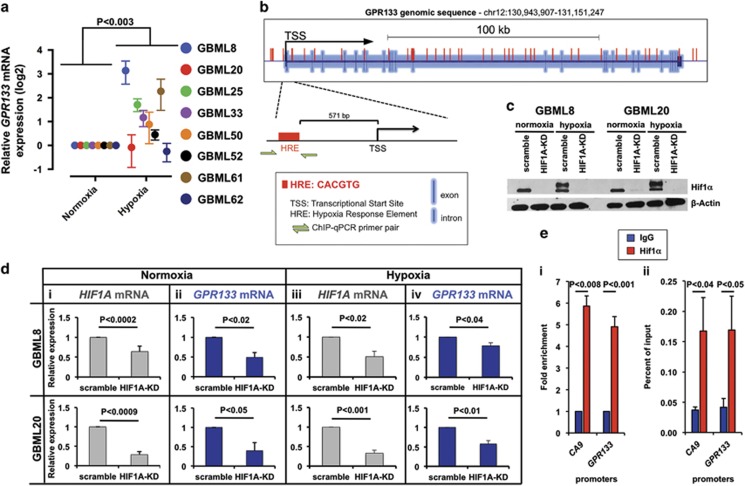
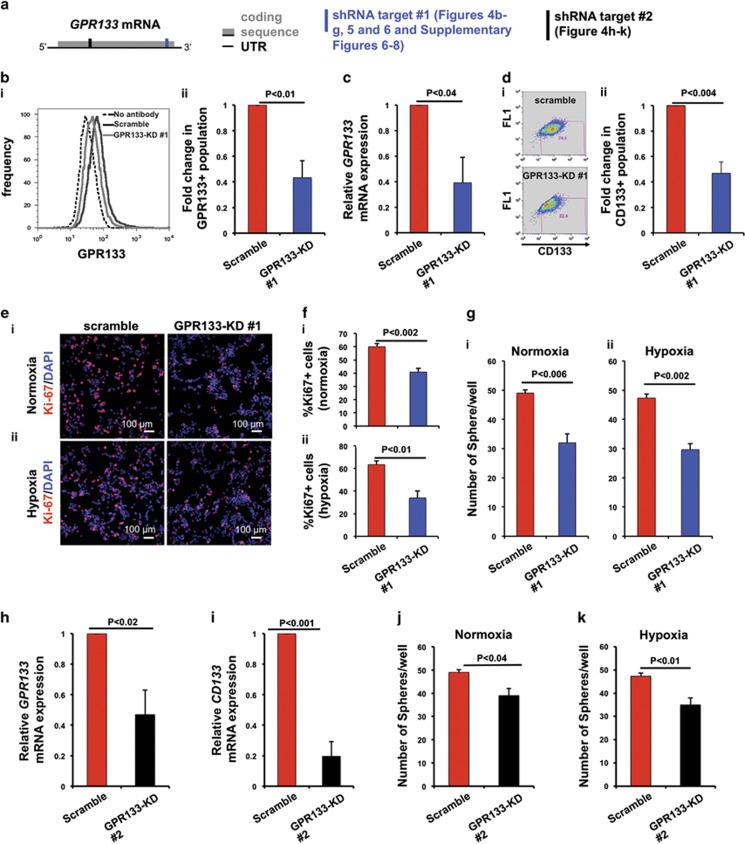
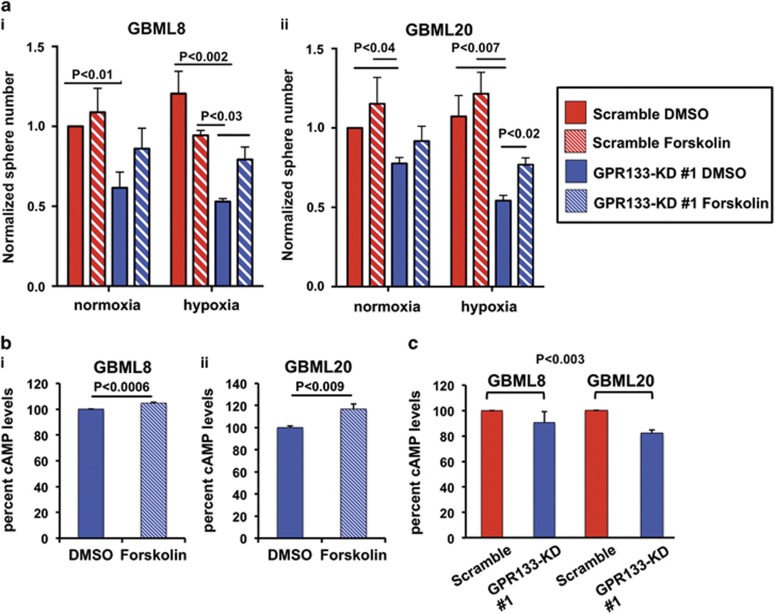
Glioblastoma (GBM) is a deadly primary brain malignancy with extensive intratumoral hypoxia. Hypoxic regions of GBM contain stem-like cells and are associated with tumor growth and angiogenesis. The molecular mechanisms that regulate tumor growth in hypoxic conditions are incompletely understood. Here, we use primary human tumor biospecimens and cultures to identify GPR133 (ADGRD1), an orphan member of the adhesion family of G-protein-coupled receptors, as a critical regulator of the response to hypoxia and tumor growth in GBM. GPR133 is selectively expressed in CD133+ GBM stem cells (GSCs) and within the hypoxic areas of PPN in human biospecimens. GPR133 mRNA is transcriptionally upregulated by hypoxia in hypoxia-inducible factor 1α (Hif1α)-dependent manner. Genetic inhibition of GPR133 with short hairpin RNA reduces the prevalence of CD133+ GSCs, tumor cell proliferation and tumorsphere formation in vitro. Forskolin rescues the GPR133 knockdown phenotype, suggesting that GPR133 signaling is mediated by cAMP. Implantation of GBM cells with short hairpin RNA-mediated knockdown of GPR133 in the mouse brain markedly reduces tumor xenograft formation and increases host survival. Analysis of the TCGA data shows that GPR133 expression levels are inversely correlated with patient survival. These findings indicate that GPR133 is an important mediator of the hypoxic response in GBM and has significant protumorigenic functions. We propose that GPR133 represents a novel molecular target in GBM and possibly other malignancies where hypoxia is fundamental to pathogenesis.
胶质母细胞瘤(GBM)是一种致命的原发性脑恶性肿瘤,瘤内存在广泛的缺氧区域。GBM的缺氧区域含有干细胞样细胞,并与肿瘤生长和血管生成有关。调节缺氧条件下肿瘤生长的分子机制尚未完全明确。在此,我们使用原发性人类肿瘤生物标本和培养物,鉴定出G蛋白偶联受体粘附家族的一个孤儿成员GPR133(ADGRD1),它是GBM中缺氧反应和肿瘤生长的关键调节因子。GPR133在人生物标本中的CD133 + GBM干细胞(GSCs)以及PPN的缺氧区域中选择性表达。GPR133 mRNA在缺氧诱导因子1α(Hif1α)依赖性方式下被缺氧转录上调。用短发夹RNA对GPR133进行基因抑制可降低体外CD133 + GSCs的比例、肿瘤细胞增殖和肿瘤球形成。福斯可林可挽救GPR133敲低表型,提示GPR133信号传导由cAMP介导。在小鼠脑中植入经短发夹RNA介导敲低GPR133的GBM细胞,可显著减少肿瘤异种移植的形成并延长宿主存活时间。对TCGA数据的分析表明,GPR133表达水平与患者生存率呈负相关。这些发现表明,GPR133是GBM中缺氧反应的重要介质,具有显著的促肿瘤发生功能。我们认为,GPR133是GBM以及可能其他缺氧在发病机制中起关键作用的恶性肿瘤中的一个新的分子靶点。