Yamashita-Sugahara Yzumi, Matsumoto Masahito, Ohtaka Manami, Nishimura Ken, Nakanishi Mahito, Mitani Kohnosuke, Okazaki Yasushi
Division of Functional Genomics and Systems Medicine, Research Center for Genomic Medicine, Saitama Medical University, Saitama, Japan.
Biotechnology Research Institute for Drug Discovery, National Institute of Advanced Industrial Science and Technology (AIST), Ibaraki, Japan.
Sci Rep. 2016 Oct 27;6:35908. doi: 10.1038/srep35908.
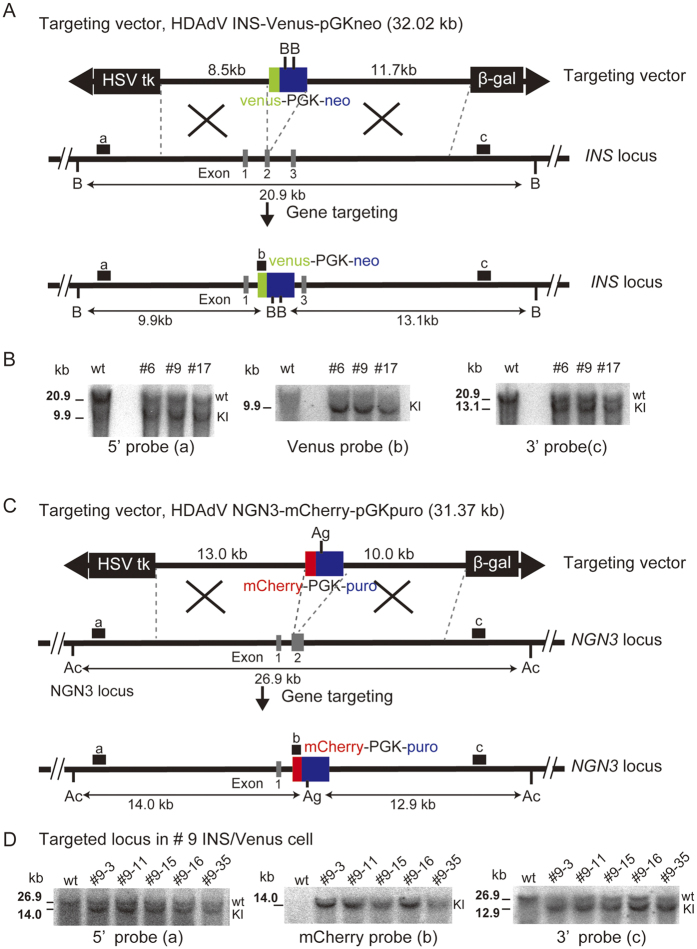
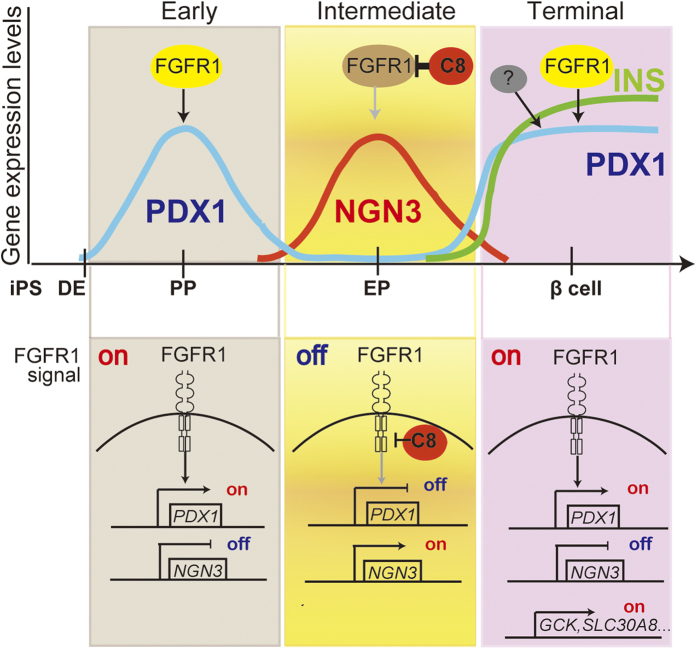
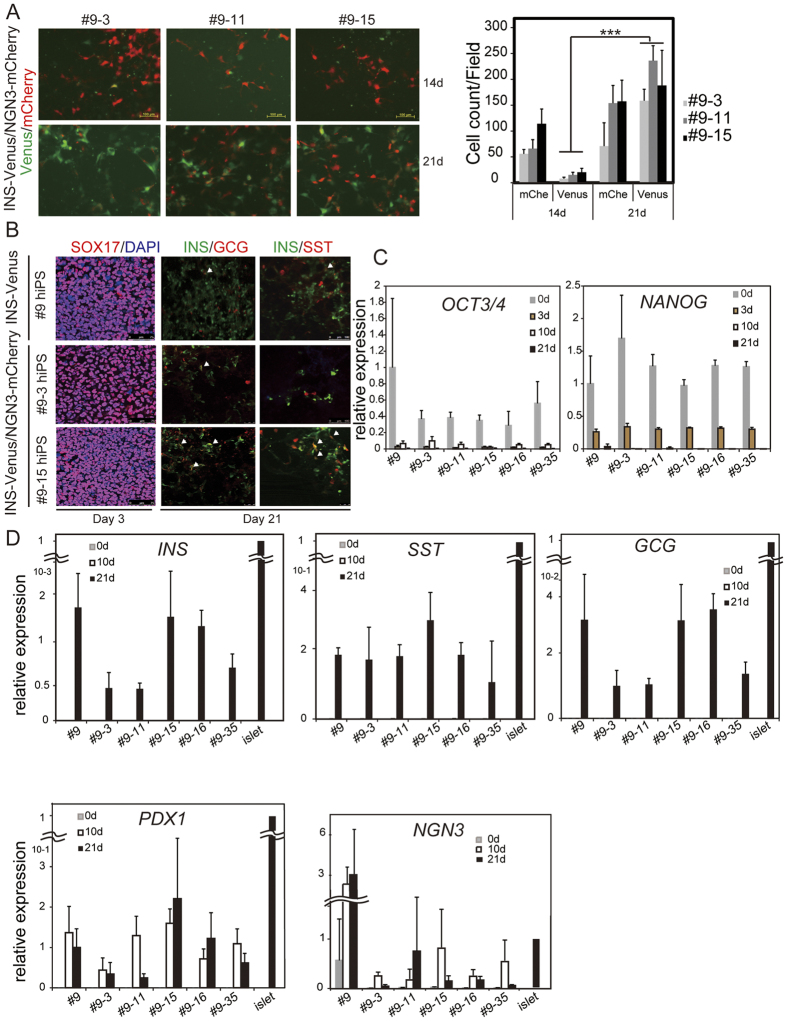
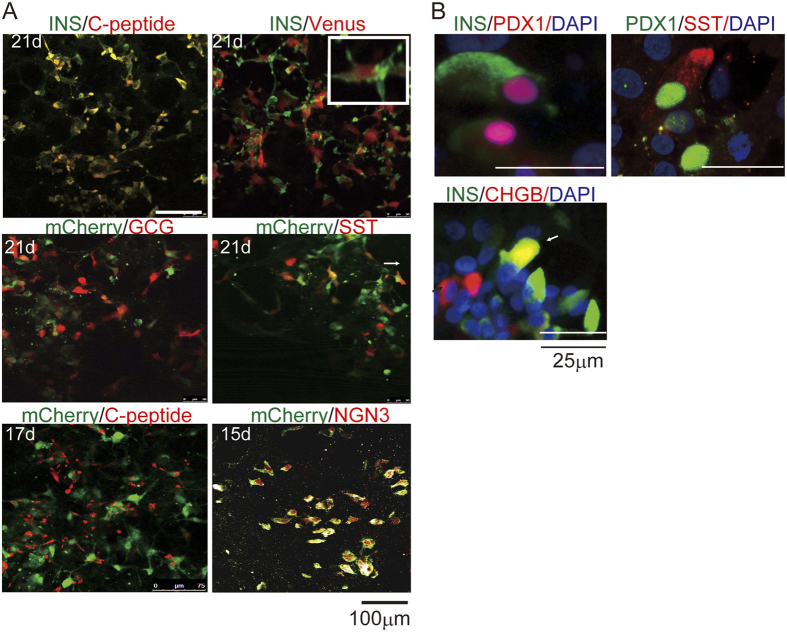
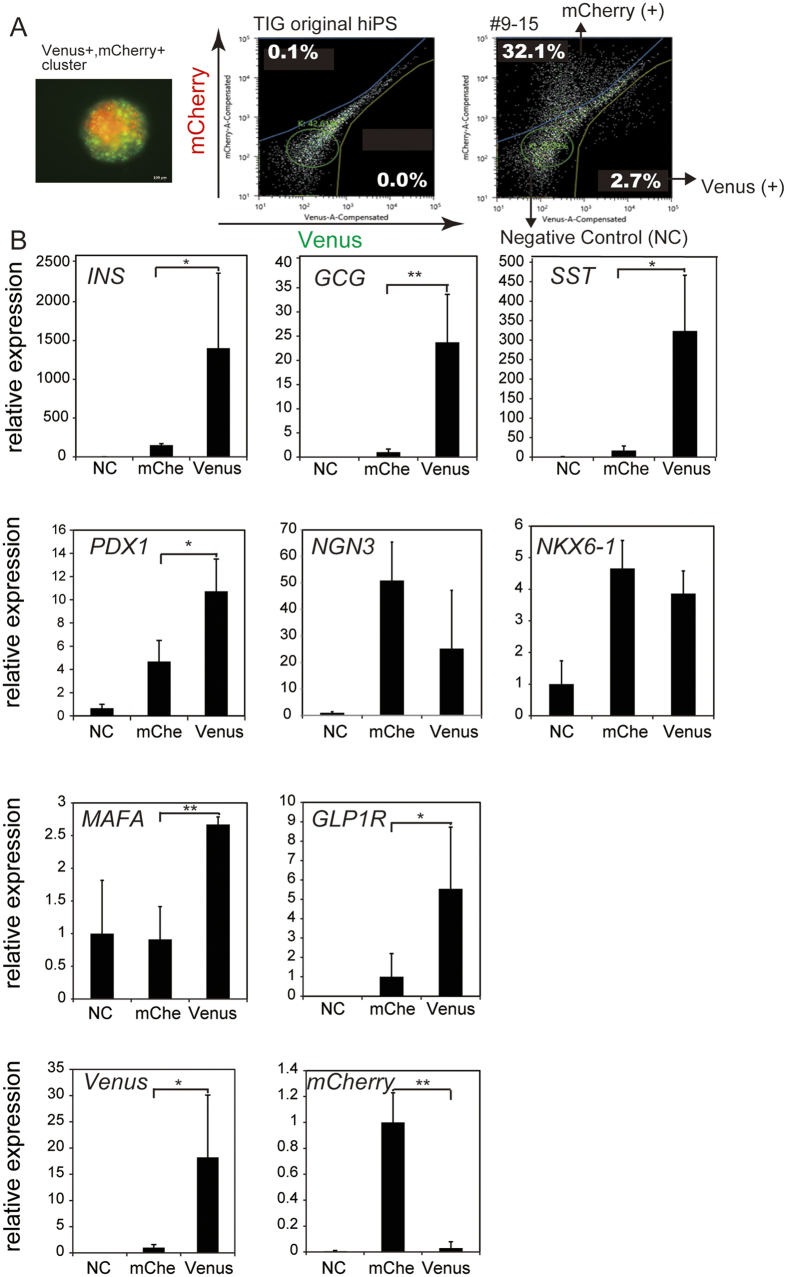
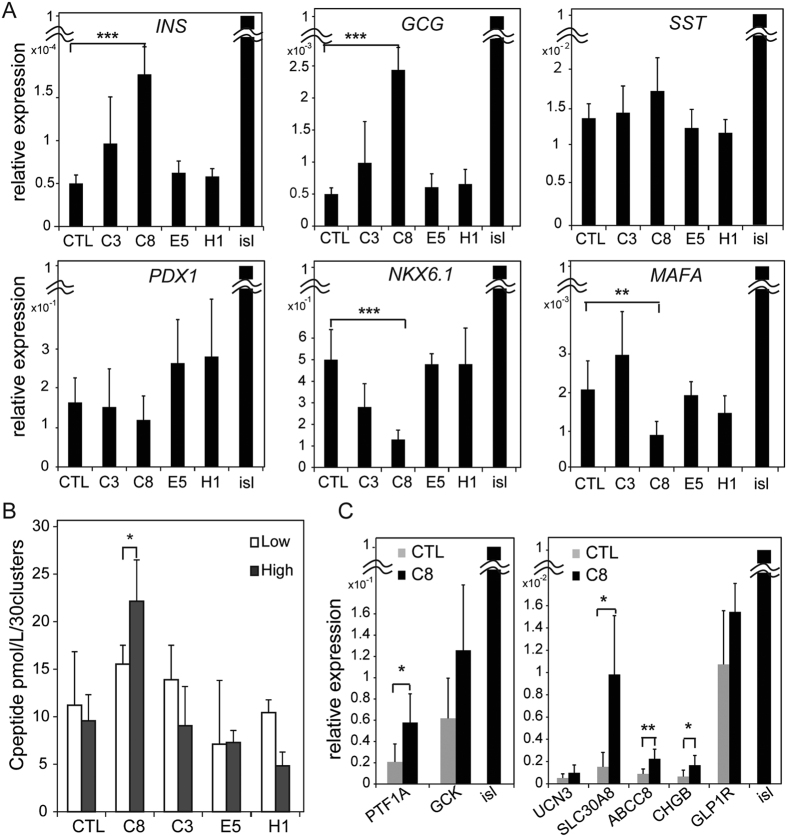
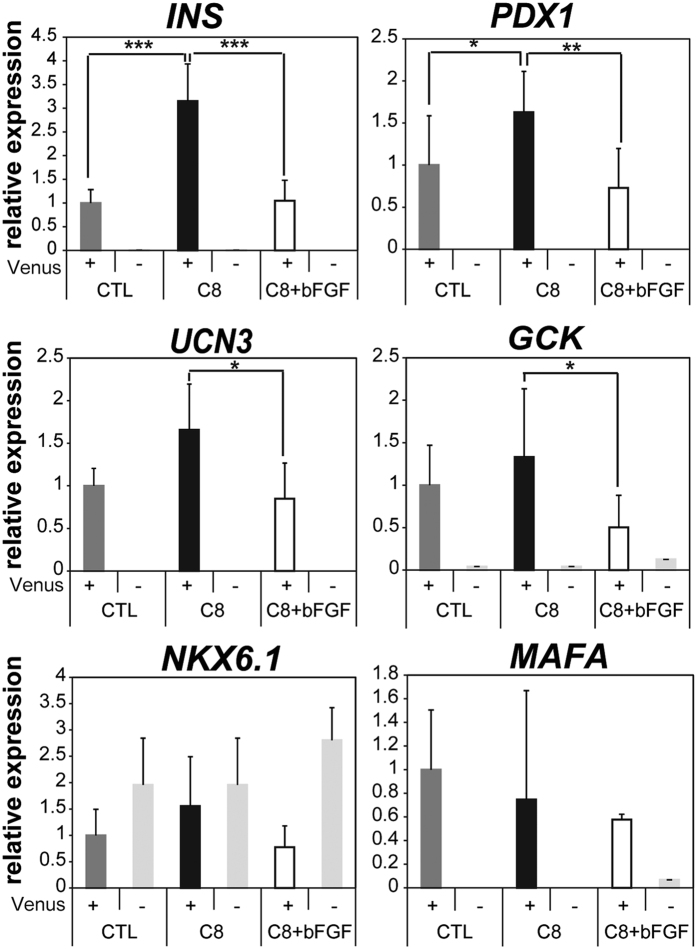
Human induced pluripotent stem cells (hiPSCs) provide a potential resource for regenerative medicine. To identify the signalling pathway(s) contributing to the development of functional β cells, we established a tracing model consisting of dual knock-in hiPSCs (INS-Venus/NGN3-mCherry) (hIveNry) expressing the fluorescent proteins Venus and mCherry under the control of intrinsic insulin (INS) and neurogenin 3 (NGN3) promoters, respectively. hIveNry iPSCs differentiated into NGN3- and mCherry-positive endocrine progenitors and then into Venus-positive β cells expressing INS, PDX1, NKX6.1, and glucokinase (GCK). Using these cells, we conducted high-throughput screening of chemicals and identified a specific kinase inhibitor of fibroblast growth factor receptor 1 (FGFR1) that acted in a stage-dependent manner to promote the terminal differentiation of pancreatic endocrine cells, including β cells, from the intermediate stage of pancreatic endocrine progenitors while blocking the early development of pancreatic progenitors. This FGFR1 inhibitor augmented the expression of functional β cell markers (SLC30A8 and ABCC8) and improved glucose-stimulated INS secretion. Our findings indicate that the hIveNry model could provide further insights into the mechanisms of hiPS-derived β cell differentiation controlled by FGFR1-mediated regulatory pathways in a temporal-dependent fashion.
人诱导多能干细胞(hiPSC)为再生医学提供了一种潜在资源。为了确定促成功能性β细胞发育的信号通路,我们建立了一个追踪模型,该模型由双敲入hiPSC(INS-Venus/NGN3-mCherry)(hIveNry)组成,分别在内在胰岛素(INS)和神经生成素3(NGN3)启动子的控制下表达荧光蛋白Venus和mCherry。hIveNry iPSC分化为NGN3和mCherry阳性的内分泌祖细胞,然后分化为表达INS、PDX1、NKX6.1和葡萄糖激酶(GCK)的Venus阳性β细胞。利用这些细胞,我们对化学物质进行了高通量筛选,并鉴定出一种成纤维细胞生长因子受体1(FGFR1)的特异性激酶抑制剂,该抑制剂以阶段依赖性方式起作用,促进胰腺内分泌祖细胞中间阶段的胰腺内分泌细胞(包括β细胞)的终末分化,同时阻断胰腺祖细胞的早期发育。这种FGFR1抑制剂增强了功能性β细胞标志物(SLC30A8和ABCC8)的表达,并改善了葡萄糖刺激的INS分泌。我们的研究结果表明,hIveNry模型可以进一步深入了解由FGFR1介导的调节通路以时间依赖性方式控制的hiPS衍生β细胞分化机制。