Schuyler Ronald P, Merkel Angelika, Raineri Emanuele, Altucci Lucia, Vellenga Edo, Martens Joost H A, Pourfarzad Farzin, Kuijpers Taco W, Burden Frances, Farrow Samantha, Downes Kate, Ouwehand Willem H, Clarke Laura, Datta Avik, Lowy Ernesto, Flicek Paul, Frontini Mattia, Stunnenberg Hendrik G, Martín-Subero José I, Gut Ivo, Heath Simon
CNAG-CRG, Centre for Genomic Regulation (CRG), Barcelona Institute of Science and Technology (BIST), Baldiri i Reixac 4, Barcelona 08028, Spain; Universitat Pompeu Fabra (UPF), Barcelona 08002, Spain.
Dipartimento di Biochimica Biofisica e Patologia Generale, Seconda Università degli Studi di Napoli, Vico Luigi de Crecchio 7, Napoli 80138, Italy.
Cell Rep. 2016 Nov 15;17(8):2101-2111. doi: 10.1016/j.celrep.2016.10.054.
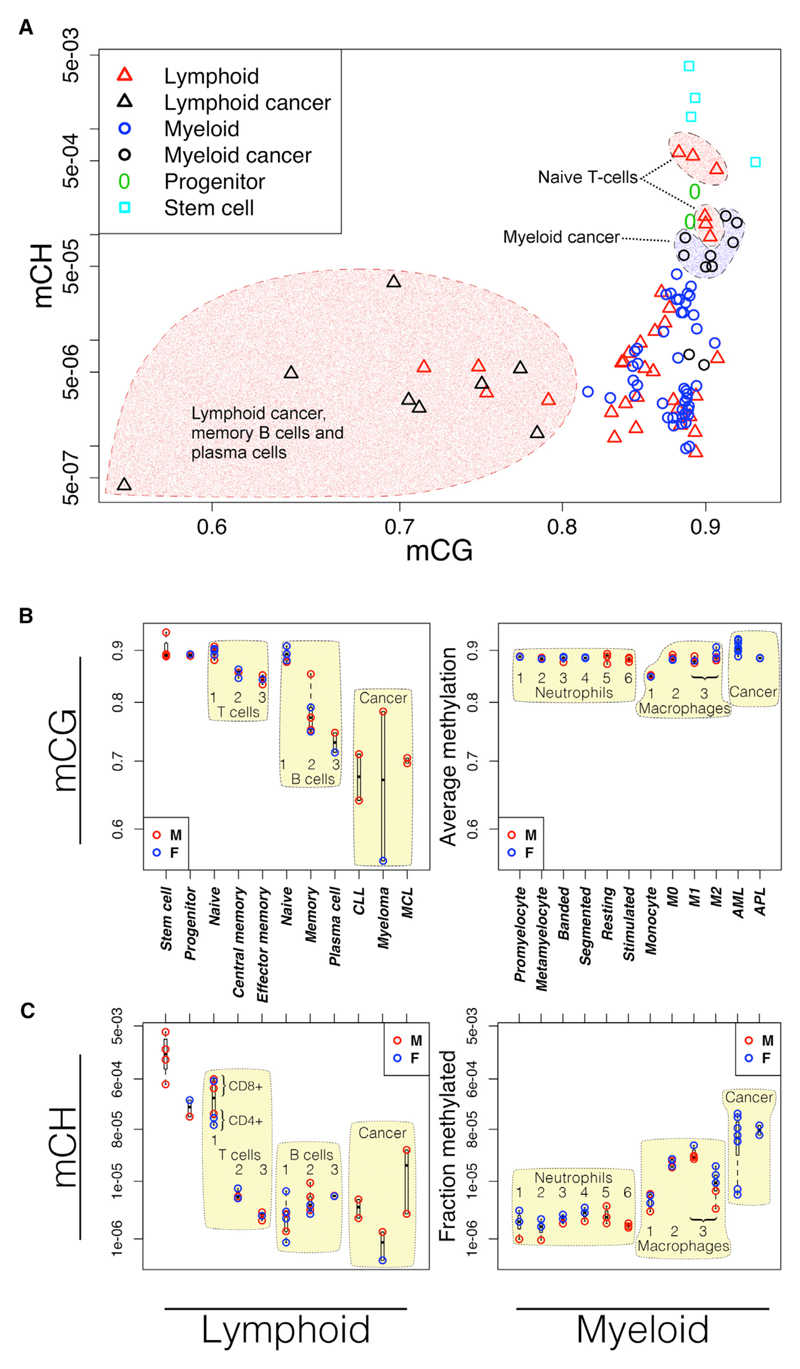
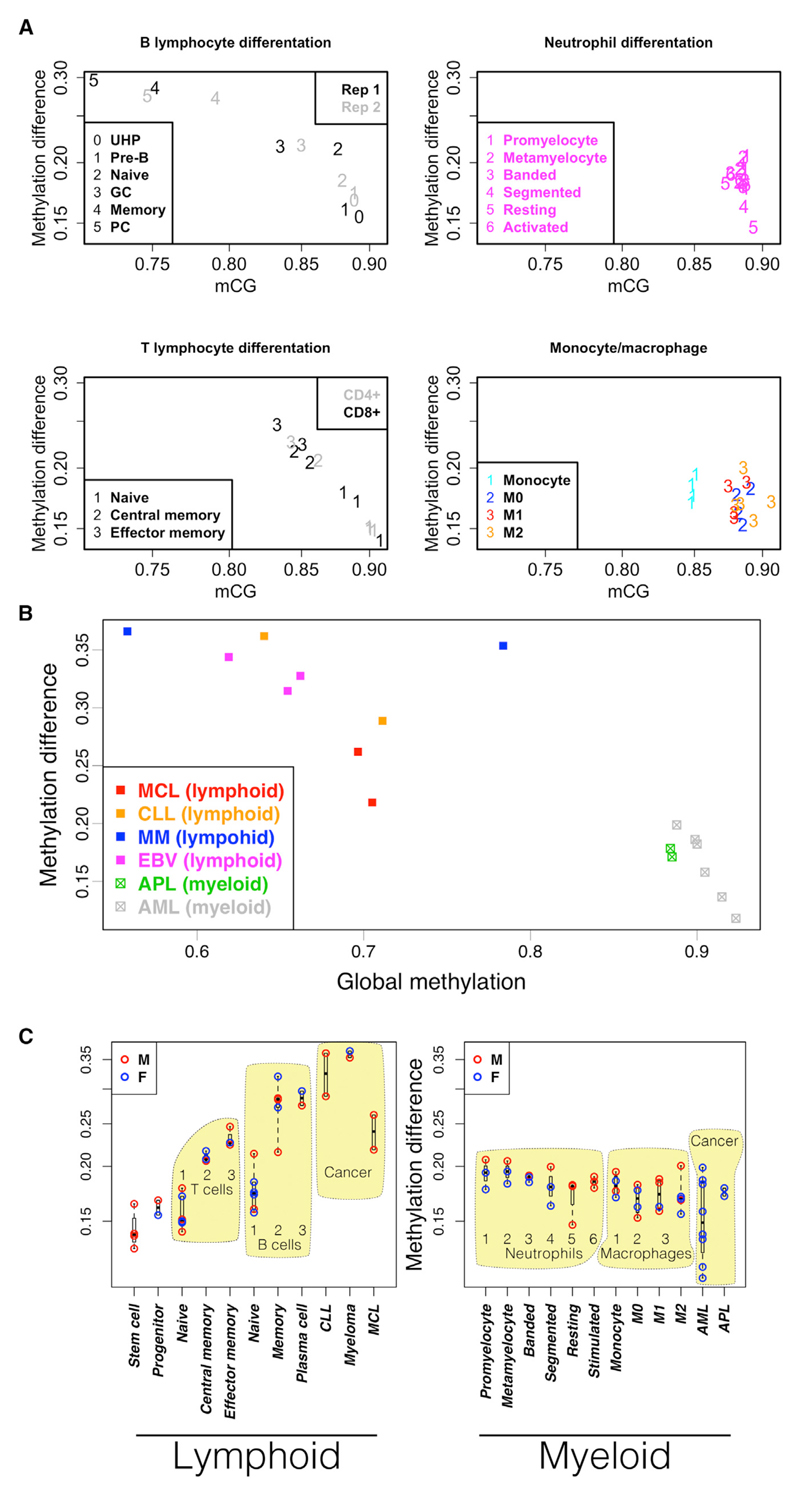
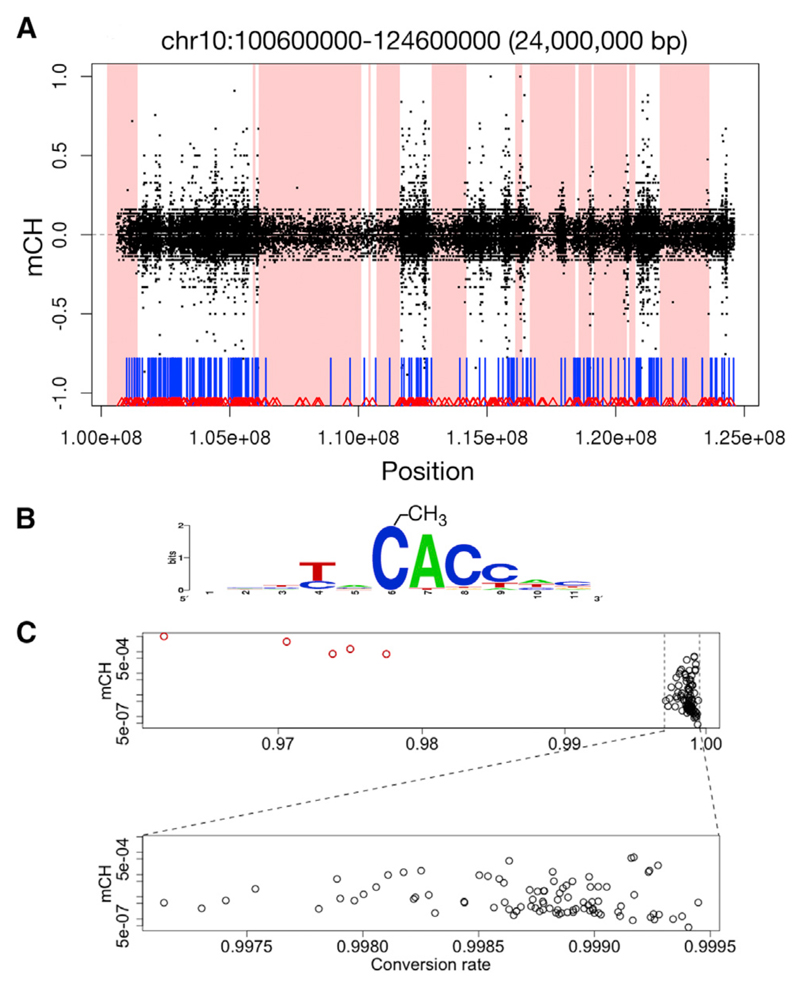
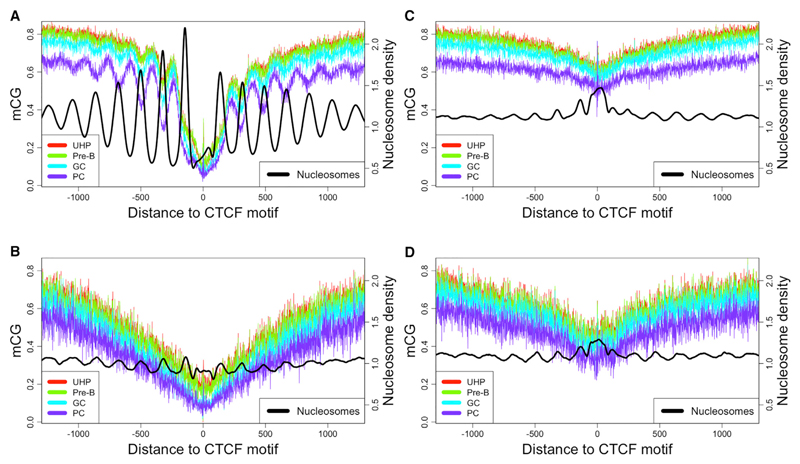
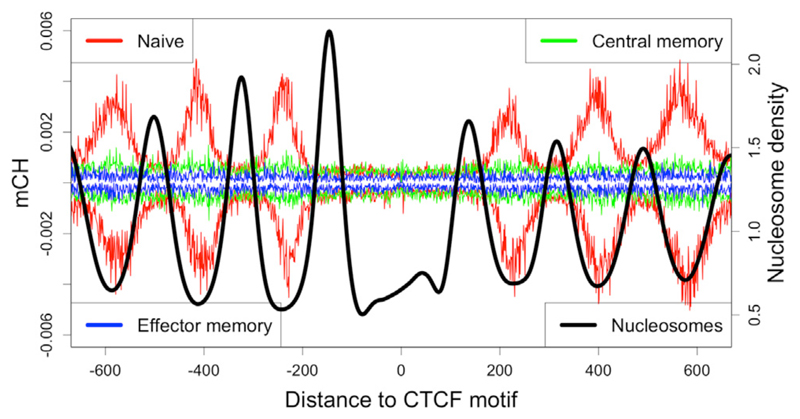
DNA methylation and the localization and post-translational modification of nucleosomes are interdependent factors that contribute to the generation of distinct phenotypes from genetically identical cells. With 112 whole-genome bisulfite sequencing datasets from the BLUEPRINT Epigenome Project, we analyzed the global development of DNA methylation patterns during lineage commitment and maturation of a range of immune system effector cells and the cancers that arise from them. We show clear trends in methylation patterns that are distinct in the innate and adaptive arms of the human immune system, both globally and in relation to consistently positioned nucleosomes. Most notable are a progressive loss of methylation in developing lymphocytes and the consistent occurrence of non-CG methylation in specific cell types. Cancer samples from the two lineages are further polarized, suggesting the involvement of distinct lineage-specific epigenetic mechanisms. We anticipate broad utility for this resource as a basis for further comparative epigenetic analyses.
DNA甲基化以及核小体的定位和翻译后修饰是相互依存的因素,它们有助于从基因相同的细胞中产生不同的表型。利用来自蓝图表观基因组计划的112个全基因组亚硫酸氢盐测序数据集,我们分析了一系列免疫系统效应细胞及其引发的癌症在谱系定向和成熟过程中DNA甲基化模式的整体发展情况。我们发现,无论是在整体上还是与位置一致的核小体相关方面,人类免疫系统固有免疫和适应性免疫分支中的甲基化模式都呈现出明显的趋势。最显著的是发育中的淋巴细胞中甲基化逐渐丧失,以及特定细胞类型中一致出现的非CG甲基化。来自这两个谱系的癌症样本进一步极化,表明存在不同的谱系特异性表观遗传机制。我们预计该资源作为进一步比较表观遗传学分析的基础将具有广泛的用途。