• 文献检索
  • 文档翻译
  • 深度研究
  • 学术资讯
  • Suppr Zotero 插件Zotero 插件
  • 邀请有礼
  • 套餐&价格
  • 历史记录
应用&插件
Suppr Zotero 插件Zotero 插件浏览器插件Mac 客户端Windows 客户端微信小程序
定价
高级版会员购买积分包购买API积分包
服务
文献检索文档翻译深度研究API 文档MCP 服务
关于我们
关于 Suppr公司介绍联系我们用户协议隐私条款
关注我们

Suppr 超能文献

核心技术专利:CN118964589B侵权必究
粤ICP备2023148730 号-1Suppr @ 2026

文献检索

告别复杂PubMed语法,用中文像聊天一样搜索,搜遍4000万医学文献。AI智能推荐,让科研检索更轻松。

立即免费搜索

文件翻译

保留排版,准确专业,支持PDF/Word/PPT等文件格式,支持 12+语言互译。

免费翻译文档

深度研究

AI帮你快速写综述,25分钟生成高质量综述,智能提取关键信息,辅助科研写作。

立即免费体验

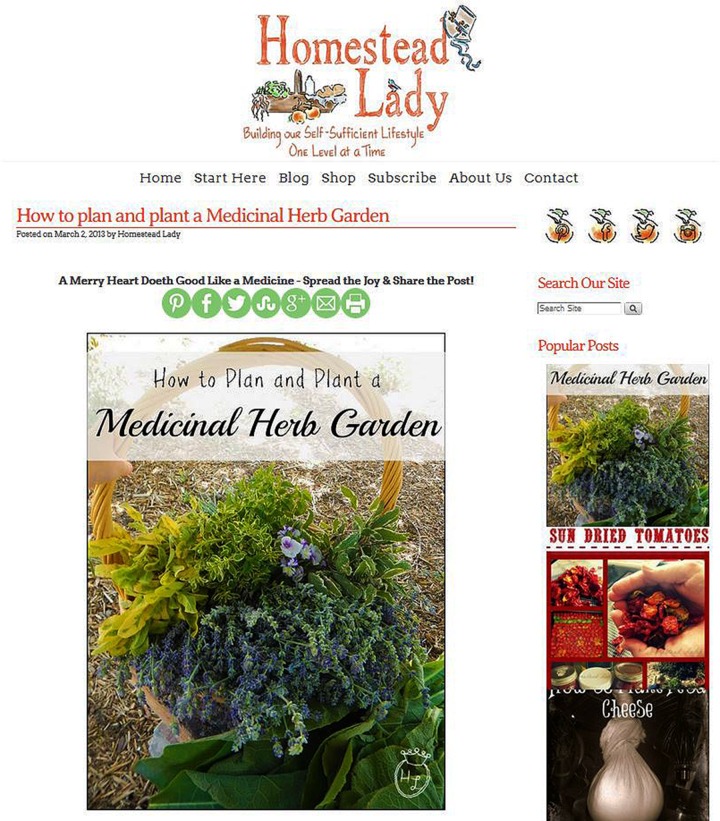
关于药用植物和民族植物学的在线教学资源。

Online Teaching Resources about Medicinal Plants and Ethnobotany.

作者信息

Straus Kristina M, Chudler Eric H

机构信息

Department of Bioengineering, University of Washington, Seattle, WA 98105-6271.

Program on the Environment, University of Washington, Seattle, WA 98105-6271.

出版信息

CBE Life Sci Educ. 2016 winter;15(4). doi: 10.1187/cbe.16-06-0190.

DOI:10.1187/cbe.16-06-0190
PMID:27856541
原文链接:https://pmc.ncbi.nlm.nih.gov/articles/PMC5132387/
Abstract

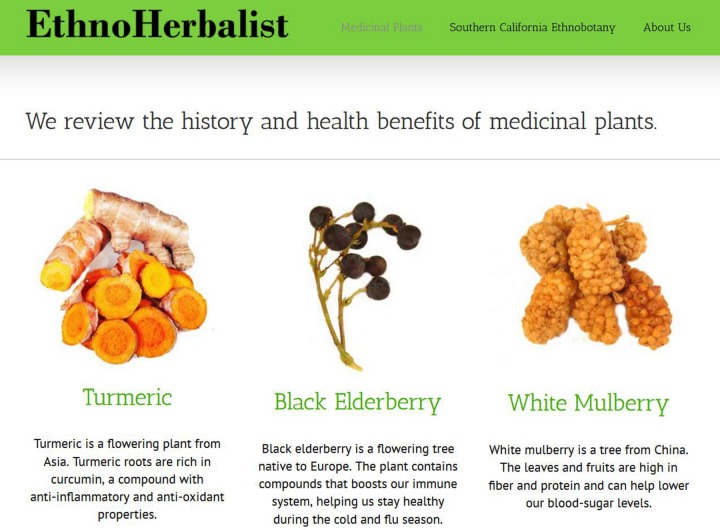
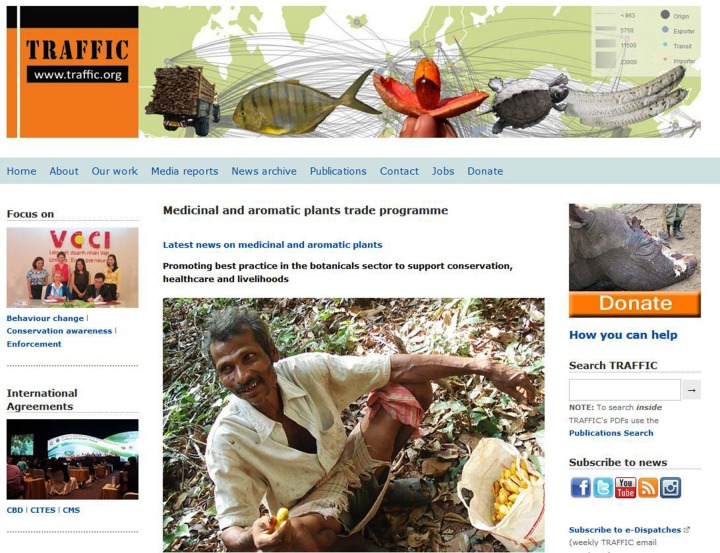
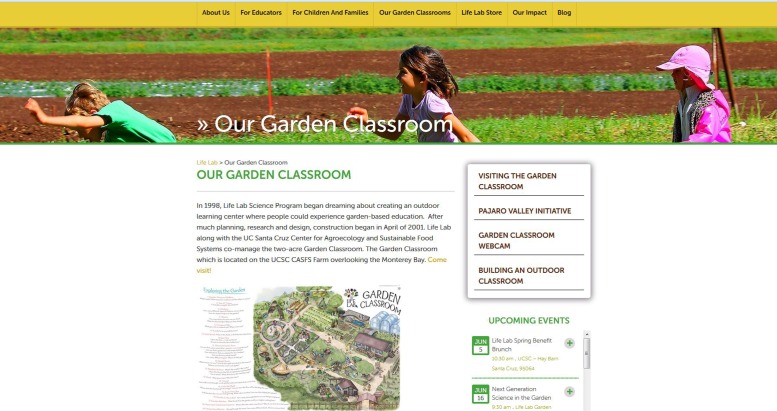
Classroom exploration of plant-based medicines and ethnobotany is a timely and valuable way to engage students in science. This highlights Internet-based resources to help teachers in primary and secondary classrooms incorporate lessons and activities to teach about plant medicines.

摘要

在课堂上探索植物性药物和民族植物学是让学生参与科学学习的一种适时且有价值的方式。本文重点介绍基于互联网的资源,以帮助中小学教师将相关课程和活动纳入教学,从而传授植物性药物知识。
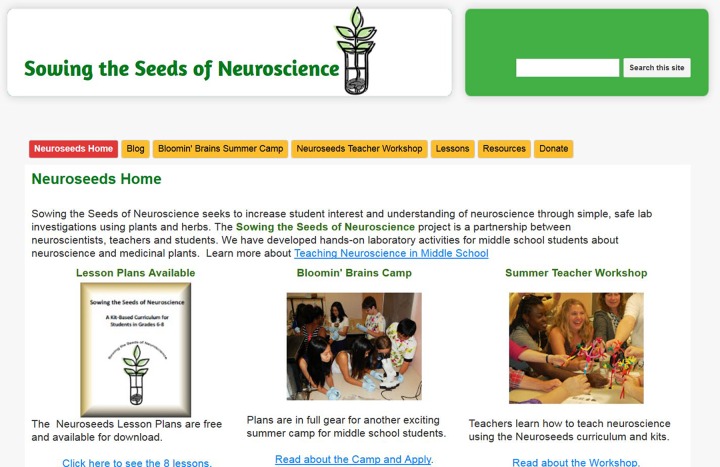
https://cdn.ncbi.nlm.nih.gov/pmc/blobs/4043/5132387/8b6af385043e/fe9fig5.jpg
https://cdn.ncbi.nlm.nih.gov/pmc/blobs/4043/5132387/9e4c7d09e4b3/fe9fig1.jpg
https://cdn.ncbi.nlm.nih.gov/pmc/blobs/4043/5132387/f91249daa0cb/fe9fig2.jpg
https://cdn.ncbi.nlm.nih.gov/pmc/blobs/4043/5132387/9a03ba94e8c3/fe9fig3.jpg
https://cdn.ncbi.nlm.nih.gov/pmc/blobs/4043/5132387/3d4b70371037/fe9fig4.jpg
https://cdn.ncbi.nlm.nih.gov/pmc/blobs/4043/5132387/8b6af385043e/fe9fig5.jpg
https://cdn.ncbi.nlm.nih.gov/pmc/blobs/4043/5132387/9e4c7d09e4b3/fe9fig1.jpg
https://cdn.ncbi.nlm.nih.gov/pmc/blobs/4043/5132387/f91249daa0cb/fe9fig2.jpg
https://cdn.ncbi.nlm.nih.gov/pmc/blobs/4043/5132387/9a03ba94e8c3/fe9fig3.jpg
https://cdn.ncbi.nlm.nih.gov/pmc/blobs/4043/5132387/3d4b70371037/fe9fig4.jpg
https://cdn.ncbi.nlm.nih.gov/pmc/blobs/4043/5132387/8b6af385043e/fe9fig5.jpg

相似文献

1
Online Teaching Resources about Medicinal Plants and Ethnobotany.关于药用植物和民族植物学的在线教学资源。
CBE Life Sci Educ. 2016 winter;15(4). doi: 10.1187/cbe.16-06-0190.
2
Ethnobotany of food plants in the high river Ter valley (Pyrenees, Catalonia, Iberian Peninsula): non-crop food vascular plants and crop food plants with medicinal properties.特河上游流域(比利牛斯山脉、加泰罗尼亚、伊比利亚半岛)食用植物的民族植物学:非作物类食用维管植物及具有药用特性的作物类食用植物。
Ecol Food Nutr. 2009 Jul-Aug;48(4):303-26. doi: 10.1080/03670240903022320.
3
Ethnobotany and herbal medicine in modern complementary and alternative medicine: An overview of publications in the field of I&C medicine 2001-2013.现代补充与替代医学中的民族植物学与草药医学:2001 - 2013年补充与替代医学领域出版物综述
J Ethnopharmacol. 2016 Apr 2;181:182-92. doi: 10.1016/j.jep.2016.01.034. Epub 2016 Jan 22.
4
Ethnobotanical study of medicinal plants used by Hakka in Guangdong, China.中国广东客家人使用的药用植物的民族植物学研究。
J Ethnopharmacol. 2008 Apr 17;117(1):41-50. doi: 10.1016/j.jep.2008.01.016. Epub 2008 Feb 1.
5
The future is written: impact of scripts on the cognition, selection, knowledge and transmission of medicinal plant use and its implications for ethnobotany and ethnopharmacology.未来已写就:文字对药用植物使用的认知、选择、知识和传播的影响,及其对民族植物学和民族药理学的意义。
J Ethnopharmacol. 2011 Apr 12;134(3):542-55. doi: 10.1016/j.jep.2011.01.017. Epub 2011 Jan 19.
6
Medicinal plants: An invaluable, dwindling resource in sub-Saharan Africa.药用植物:撒哈拉以南非洲地区一种珍贵且日益减少的资源。
J Ethnopharmacol. 2015 Nov 4;174:595-606. doi: 10.1016/j.jep.2015.04.034. Epub 2015 Apr 27.
7
Ethnobotany of medicinal plants used in Antakya: A multicultural district in Hatay Province of Turkey.安塔基亚使用的药用植物民族植物学:土耳其哈塔伊省的一个多元文化地区。
J Ethnopharmacol. 2015 Nov 4;174:118-52. doi: 10.1016/j.jep.2015.07.042. Epub 2015 Jul 31.
8
Ethnobotanical study of medicinal plants of Sirjan in Kerman Province, Iran.伊朗克尔曼省锡尔詹药用植物的民族植物学研究。
J Ethnopharmacol. 2014 May 28;154(1):190-7. doi: 10.1016/j.jep.2014.04.003. Epub 2014 Apr 16.
9
Ethnobotany of medicinal plants in district Mastung of Balochistan province-Pakistan.巴基斯坦俾路支省马斯图格地区药用植物的民族植物学
J Ethnopharmacol. 2014 Nov 18;157:79-89. doi: 10.1016/j.jep.2014.08.042. Epub 2014 Sep 23.
10
Ethnobotanical authentication and identification of Khrog-sman (Lower Elevation Medicinal Plants) of Bhutan.不丹低海拔药用植物 Khrog-sman 的民族植物学鉴定和确认。
J Ethnopharmacol. 2011 Apr 12;134(3):813-23. doi: 10.1016/j.jep.2011.01.034. Epub 2011 Feb 1.

引用本文的文献

1
Connecting the Dots from Professional Development to Student Learning.从专业发展到学生学习的关联。
CBE Life Sci Educ. 2021 Dec;20(4):ar57. doi: 10.1187/cbe.21-02-0035.

本文引用的文献

1
Trends in the use of complementary health approaches among adults: United States, 2002-2012.2002 - 2012年美国成年人使用补充健康方法的趋势
Natl Health Stat Report. 2015 Feb 10(79):1-16.
2
Use of complementary health approaches among children aged 4-17 years in the United States: National Health Interview Survey, 2007-2012.美国4至17岁儿童补充健康方法的使用情况:2007 - 2012年国家健康访谈调查
Natl Health Stat Report. 2015 Feb 10(78):1-19.
3
Historical review of medicinal plants' usage.药用植物使用的历史回顾。
Pharmacogn Rev. 2012 Jan;6(11):1-5. doi: 10.4103/0973-7847.95849.
4
Herbal medicine in the United States: review of efficacy, safety, and regulation: grand rounds at University of California, San Francisco Medical Center.美国的草药医学:疗效、安全性及监管综述:加州大学旧金山分校医学中心学术大查房
J Gen Intern Med. 2008 Jun;23(6):854-9. doi: 10.1007/s11606-008-0632-y. Epub 2008 Apr 16.
5
Trends in alternative medicine use in the United States, 1990-1997: results of a follow-up national survey.1990 - 1997年美国替代医学使用趋势:全国性随访调查结果
JAMA. 1998 Nov 11;280(18):1569-75. doi: 10.1001/jama.280.18.1569.