Nicholls Adam R, Taylor Natalie J, Carroll Sean, Perry John L
Department of Sport, Health, and Exercise Science, University of Hull Hull, UK.
Centre for Healthcare Resilience and Implementation Science, Australian Institute of Health and Innovation, Macquarie University Sydney, NSW, Australia.
Front Psychol. 2016 Nov 3;7:1674. doi: 10.3389/fpsyg.2016.01674. eCollection 2016.
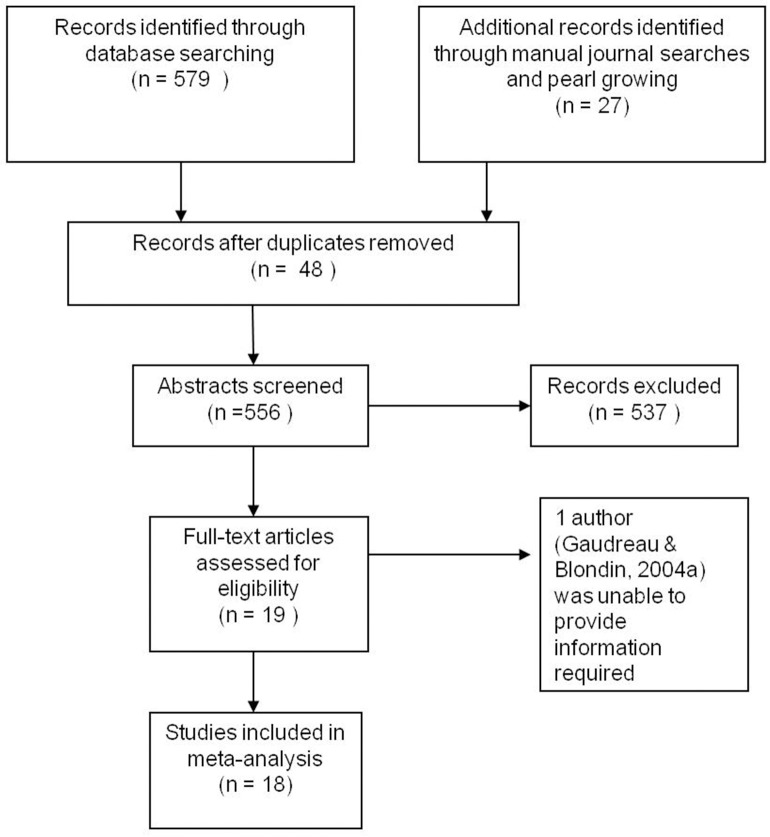
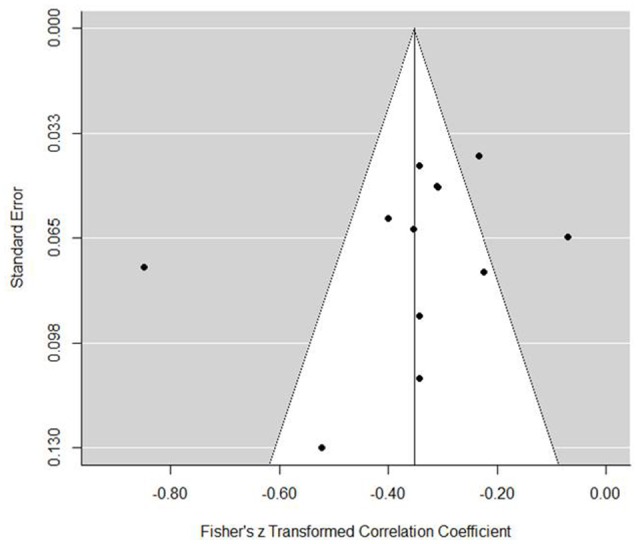
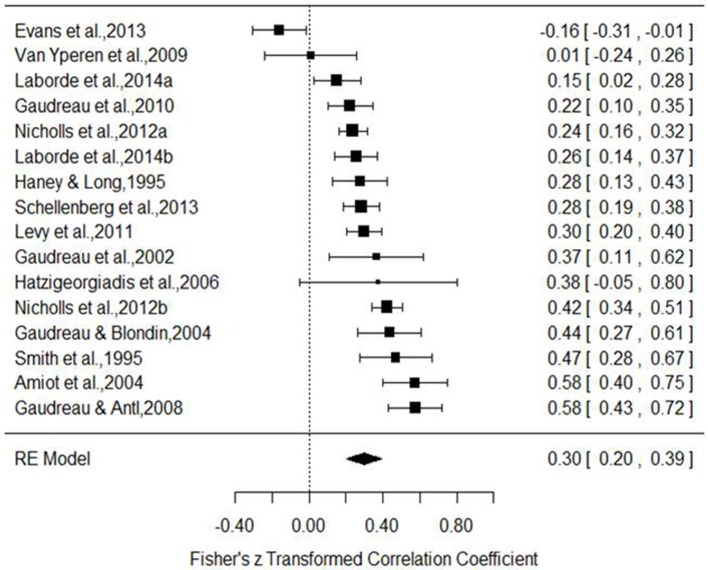
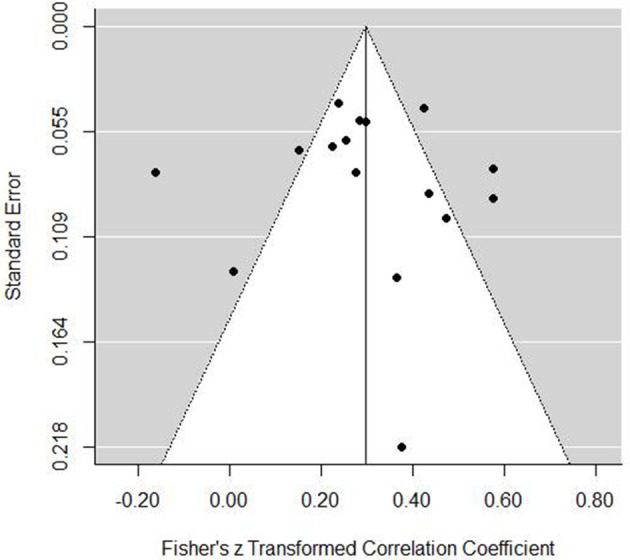
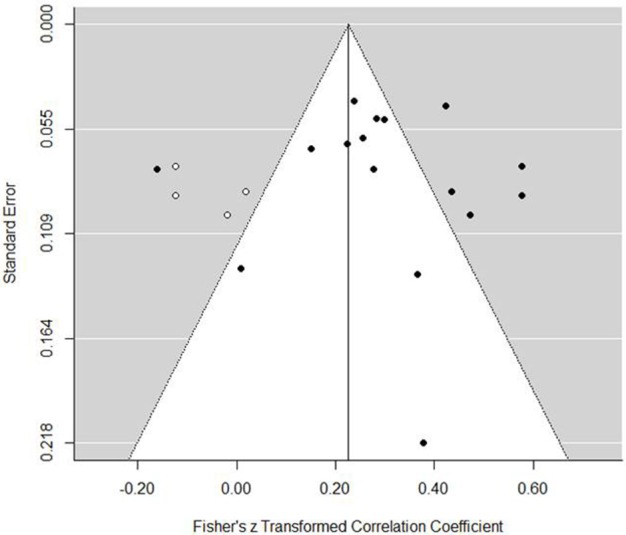
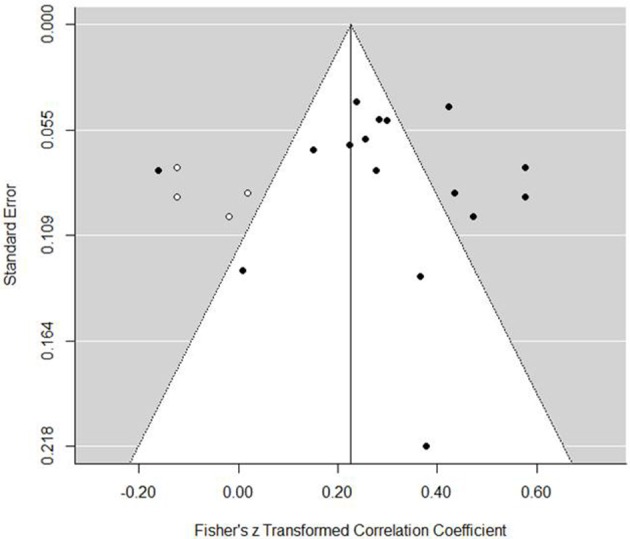
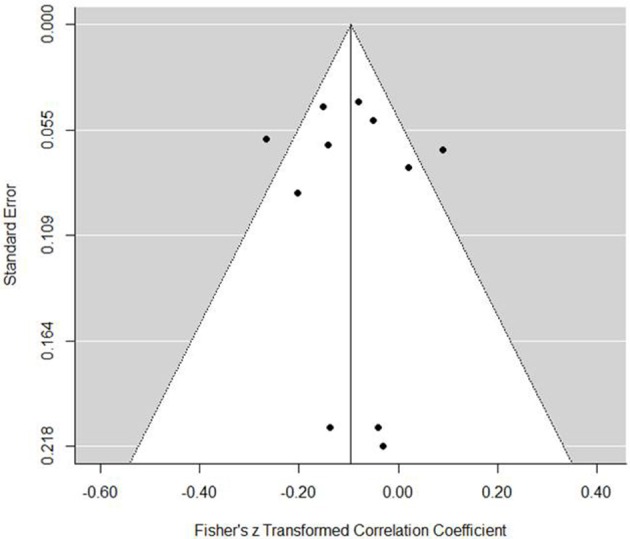
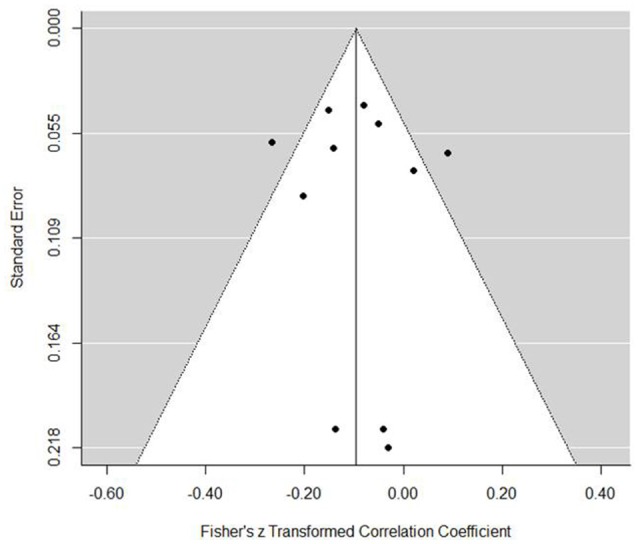
There is an ever growing coping and sports performance literature, with researchers using many different methods to assess performance and different classifications of coping. As such, it makes it difficult to compare studies and therefore identify how coping is related to performance. Furthermore, there are no quantitative syntheses of the results from these studies. A quantitative synthesis would facilitate a more comprehensive understanding of how coping is associated with athletic performance. In order to accurately compare studies, our first aim was to develop a new coping classification that would make this possible. Firstly, we reviewed the strengths and limitations of the different coping classifications and then identified the commonalities and differences between such classifications. We opted for a three-factor classification of coping, because the evidence suggests that a three-factor classification provides a superior model fit to two-factor approaches. Our new classification of coping was based on an existing model from the developmental literature, which received an excellent model fit. We made some adaptations, however, as our classification was intended for an athletic population. As such, we classified coping as mastery (i.e., controlling the situation and eliminating the stressor), internal regulation (i.e., managing internal stress responses), or goal withdrawal (i.e., ceasing efforts toward goal attainment). Undertaking a meta-analysis, our second aim was to identify which coping strategies correlated with sports performance and whether this relationship varied according to moderator variables. Articles were sourced from online electronic databases and manual journal searches. PRISMA guidelines were used to search, select, and synthesize relevant studies. Random effects meta-analyses were performed to identify associations between coping classification and sport performance. , and values assessed heterogeneity. Eighteen published investigations, including 3900 participants and incorporating fifty-nine correlations, indicated an overall positive effect for mastery coping, a negligible negative effect for internal regulation coping, and a negative effect for goal withdrawal strategies. The findings of this meta-analysis could be used by sports practitioners to help them deliver effective coping interventions. In order to maximize performance, practitioners could encourage the use of mastery coping, but advise their athletes not to use goal withdrawal strategies.
关于应对方式与运动表现的文献不断增加,研究人员使用了许多不同的方法来评估表现以及不同的应对方式分类。因此,这使得比较各项研究变得困难,进而难以确定应对方式与表现之间的关系。此外,这些研究结果尚无定量综合分析。定量综合分析将有助于更全面地理解应对方式与运动表现之间的关联。为了准确比较各项研究,我们的首要目标是开发一种新的应对方式分类,以使这成为可能。首先,我们回顾了不同应对方式分类的优缺点,然后确定了这些分类之间的共性和差异。我们选择了应对方式的三因素分类,因为有证据表明,三因素分类比两因素方法能提供更优的模型拟合。我们新的应对方式分类基于发展心理学文献中的一个现有模型,该模型拟合效果极佳。然而,由于我们的分类是针对运动员群体的,所以我们做了一些调整。因此,我们将应对方式分为掌握(即控制局面并消除压力源)、内部调节(即管理内部压力反应)或目标放弃(即停止为实现目标而努力)。我们的第二个目标是进行一项荟萃分析,以确定哪些应对策略与运动表现相关,以及这种关系是否会根据调节变量而有所不同。文章来源于在线电子数据库和手动期刊检索。使用PRISMA指南来搜索、选择和综合相关研究。进行随机效应荟萃分析以确定应对方式分类与运动表现之间的关联。I²和Q值评估异质性。18项已发表的调查研究,包括3900名参与者以及59个相关性分析,表明掌握应对方式总体上有积极影响,内部调节应对方式有可忽略不计的负面影响,而目标放弃策略有负面影响。这项荟萃分析的结果可供体育从业者用于帮助他们实施有效的应对干预措施。为了使表现最大化,从业者可以鼓励使用掌握应对方式,但建议他们的运动员不要使用目标放弃策略。