TERI University, Vasant Kunj, New Delhi, 110070, India.
TERI-Deakin Nano Biotechnology Centre, The Energy and Resources Institute, Darbari Seth Block, IHC Complex, Lodhi Road, New Delhi, 110003, India.
Sci Rep. 2016 Nov 22;6:37096. doi: 10.1038/srep37096.
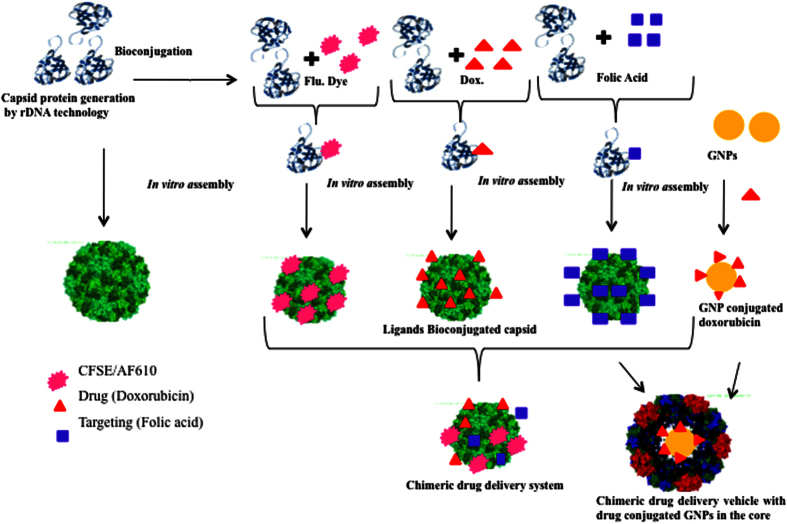
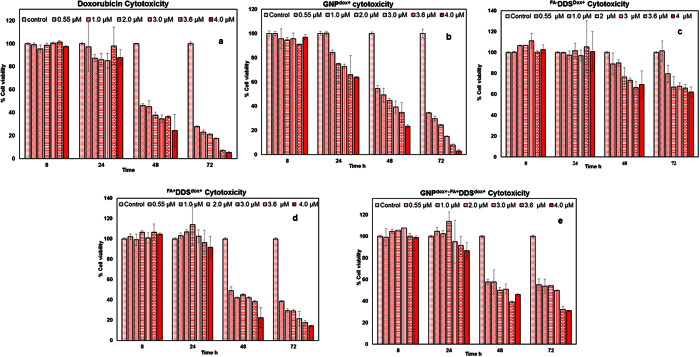
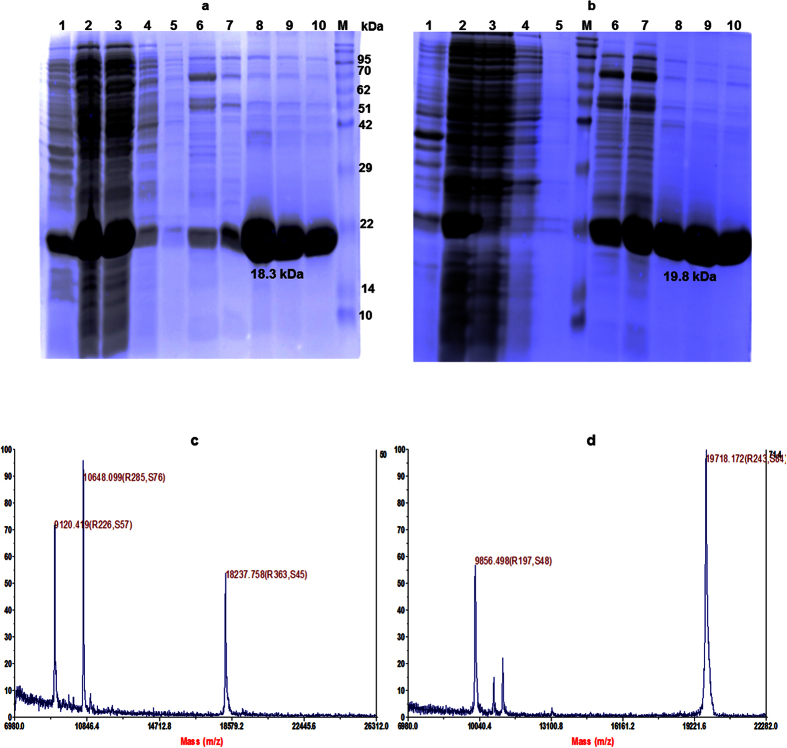
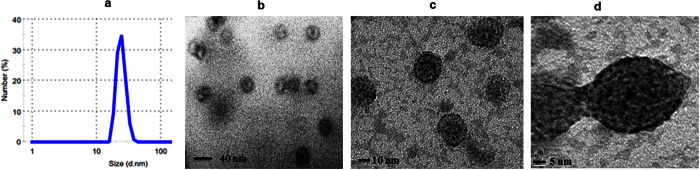
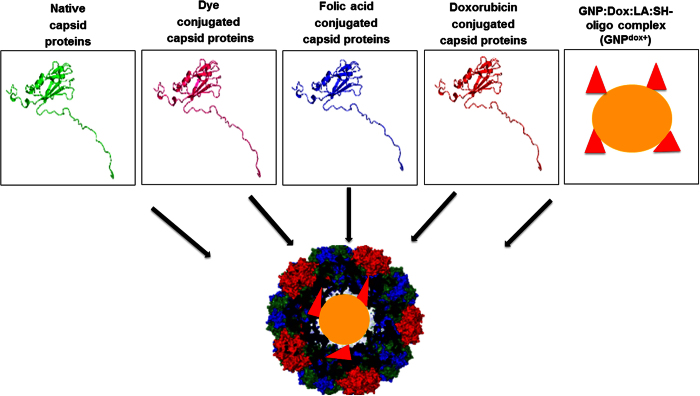
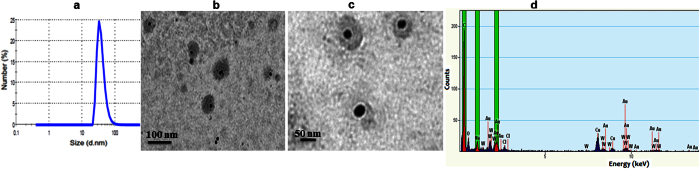
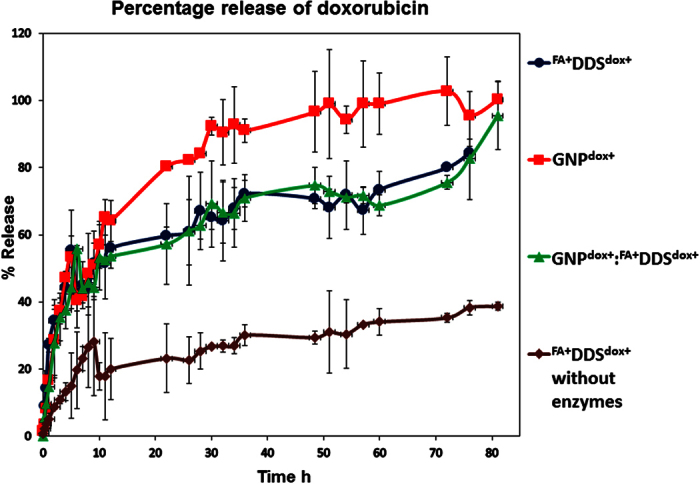
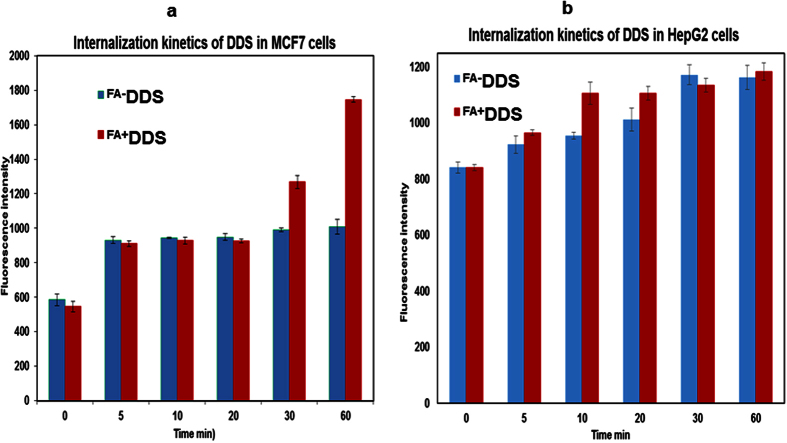
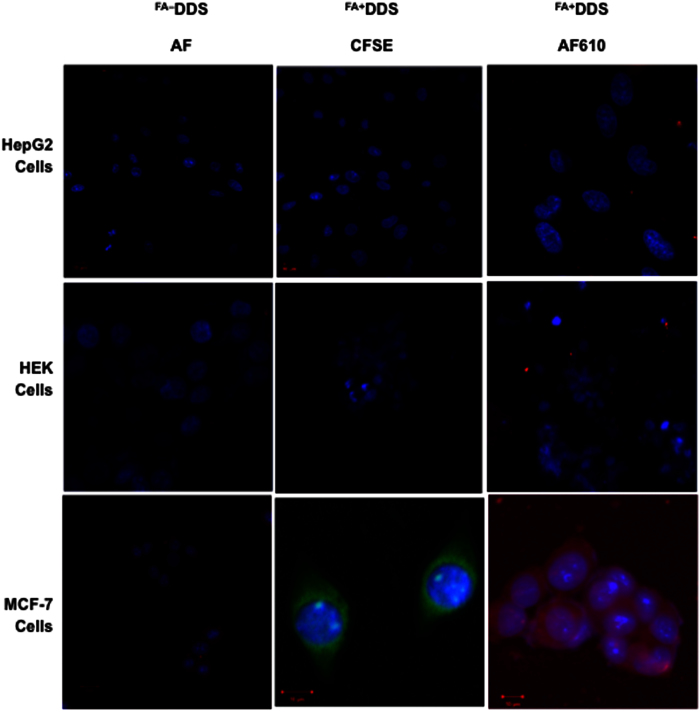
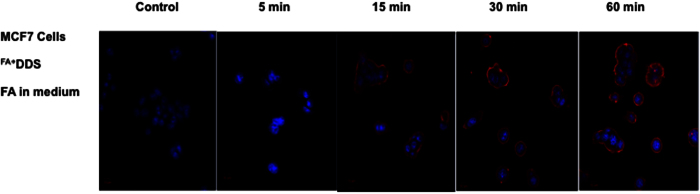
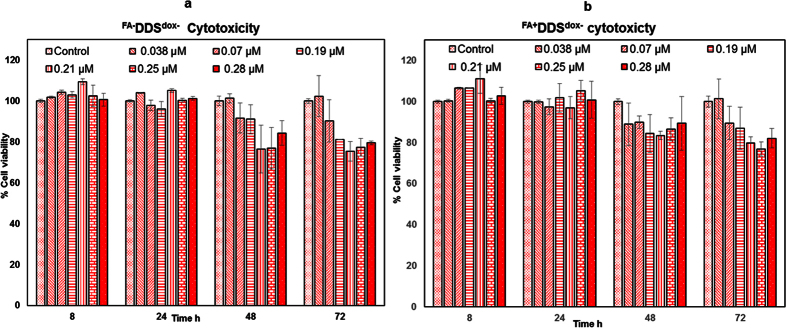
Targeted nano-delivery vehicles were developed from genetically modified Cowpea chlorotic mottle virus (CCMV) capsid by ligands bioconjugation for efficient drug delivery in cancer cells. RNA binding (N 1-25aa) and β-hexamer forming (N 27-41aa) domain of capsid was selectively deleted by genetic engineering to achieve the efficient in vitro assembly without natural cargo. Two variants of capsids were generated by truncating 41 and 26 amino acid from N terminus (NΔ41 and NΔ26) designated as F and F respectively. These capsid were optimally self-assembled in 1:2 molar ratio (F:F) to form a monodisperse nano-scaffold of size 28 nm along with chemically conjugated modalities for visualization (fluorescent dye), targeting (folic acid, FA) and anticancer drug (doxorubicin). The cavity of the nano-scaffold was packed with doxorubicin conjugated gold nanoparticles (10 nm) to enhance the stability, drug loading and sustained release of drug. The chimeric system was stable at pH range of 4-8. This chimeric nano-scaffold system showed highly specific receptor mediated internalization (targeting) and ~300% more cytotoxicity (with respect to FA delivery system) to folate receptor positive Michigan Cancer Foundation-7 (MCF7) cell lines. The present system may offer a programmable nano-scaffold based platform for developing chemotherapeutics for cancer.
靶向纳米递药载体是通过配体生物缀合,从经过基因改造的豇豆花叶病毒(CCMV)衣壳中开发出来的,用于在癌细胞中进行有效的药物递送。通过基因工程选择性缺失衣壳的 RNA 结合(N 1-25aa)和β-六聚体形成(N 27-41aa)结构域,实现了在没有天然货物的情况下高效体外组装。通过从 N 末端截断 41 个和 26 个氨基酸(NΔ41 和 NΔ26),生成了两种衣壳变体,分别命名为 F 和 F。这些衣壳以 1:2 的摩尔比(F:F)最佳自组装,形成尺寸为 28nm 的单分散纳米支架,并进行了化学偶联修饰以实现可视化(荧光染料)、靶向(叶酸,FA)和抗癌药物(阿霉素)。纳米支架的空腔中填充了与阿霉素偶联的金纳米颗粒(10nm),以增强药物的稳定性、载药量和持续释放。该嵌合系统在 pH 值为 4-8 的范围内稳定。该嵌合纳米支架系统表现出高度特异性的受体介导内化(靶向),并且对叶酸受体阳性密歇根癌症基金会-7(MCF7)细胞系的细胞毒性提高了约 300%(相对于 FA 递送系统)。该系统可能为开发癌症化疗药物提供了一种可编程的纳米支架平台。