Obesity and Metabolism Laboratory, The Institute for Drug Research, School of Pharmacy, Faculty of Medicine, The Hebrew University of Jerusalem, Jerusalem, Israel.
Laboratory of Physiologic Studies, National Institute on Alcohol Abuse and Alcoholism, Bethesda, MD, USA.
Mol Metab. 2016 Oct 22;5(12):1187-1199. doi: 10.1016/j.molmet.2016.10.004. eCollection 2016 Dec.
Extreme obesity is a core phenotypic feature of Prader-Willi syndrome (PWS). Among numerous metabolic regulators, the endocannabinoid (eCB) system is critically involved in controlling feeding, body weight, and energy metabolism, and a globally acting cannabinoid-1 receptor (CBR) blockade reverses obesity both in animals and humans. The first-in-class CBR antagonist rimonabant proved effective in inducing weight loss in adults with PWS. However, it is no longer available for clinical use because of its centrally mediated, neuropsychiatric, adverse effects.
We studied eCB 'tone' in individuals with PWS and in the -null mouse model that recapitulates the major metabolic phenotypes of PWS and determined the efficacy of a peripherally restricted CBR antagonist, JD5037 in treating obesity in these mice.
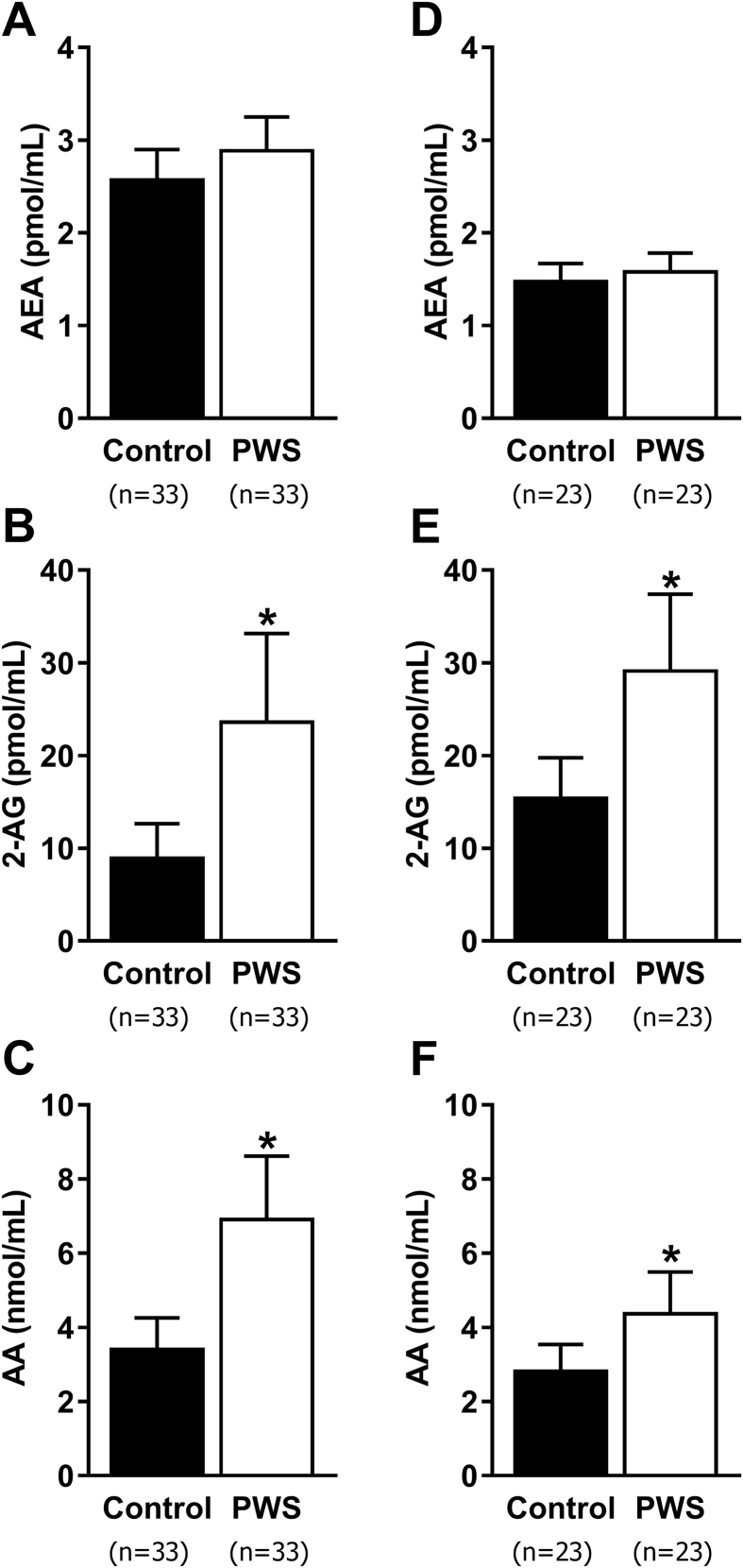
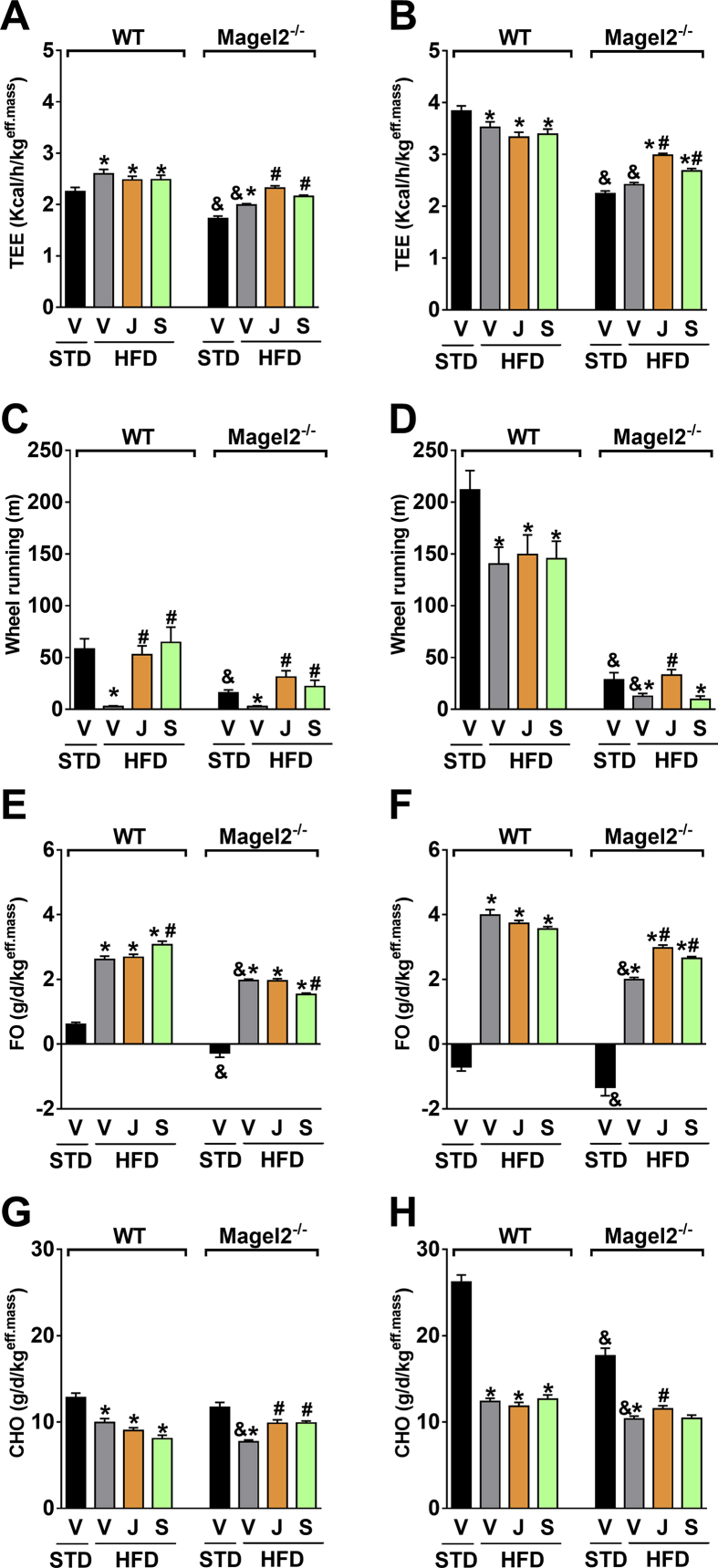
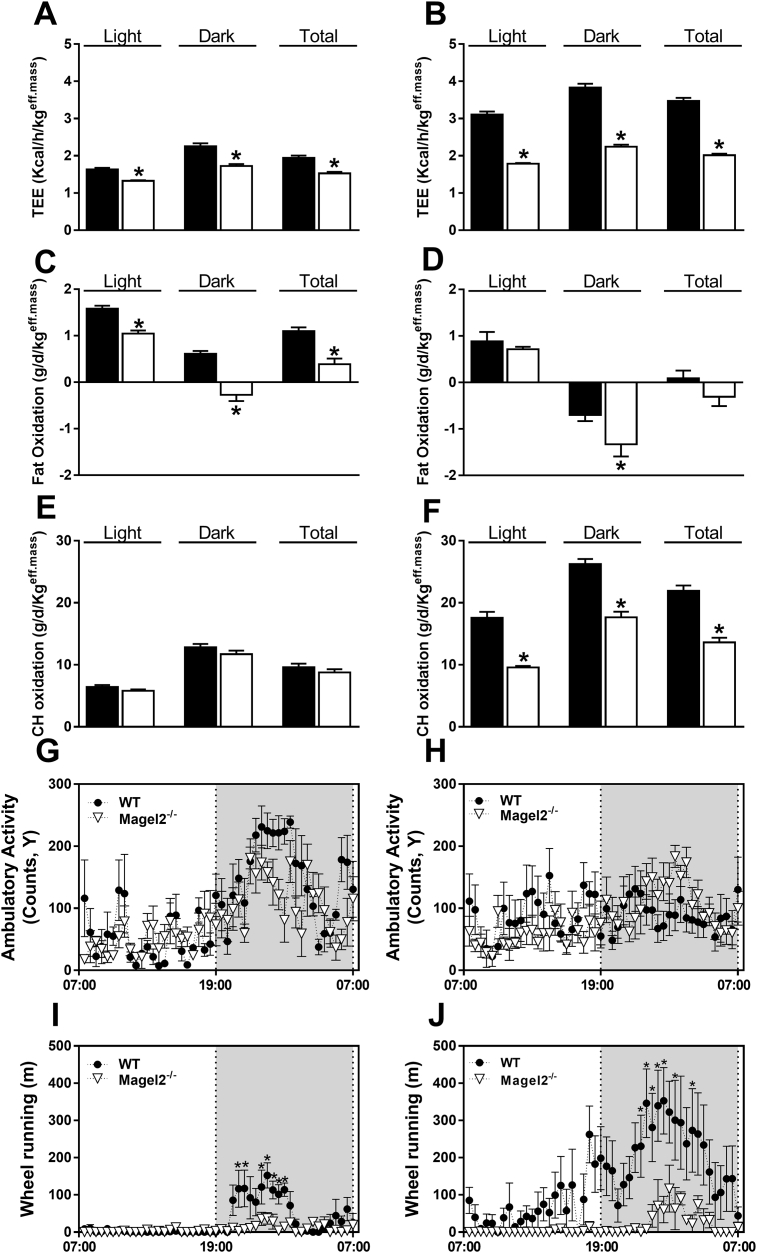
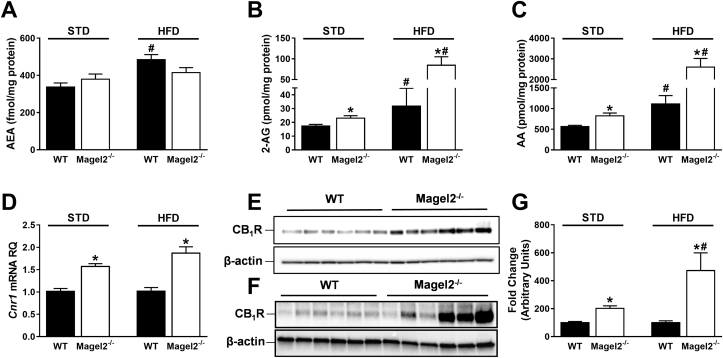
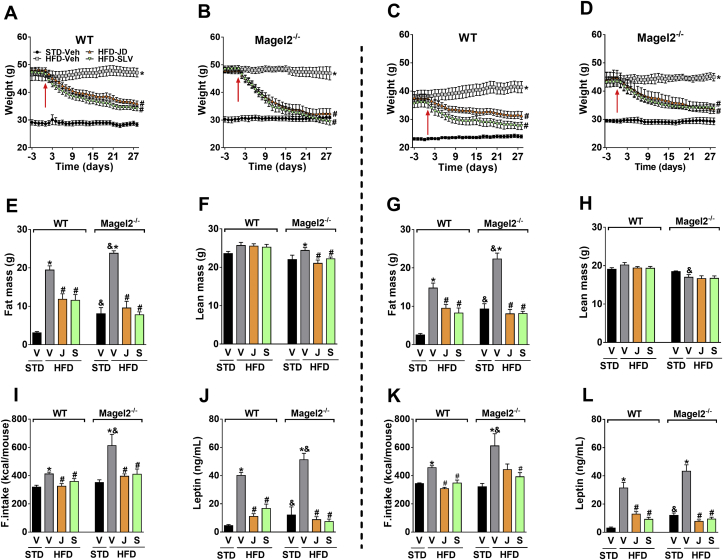
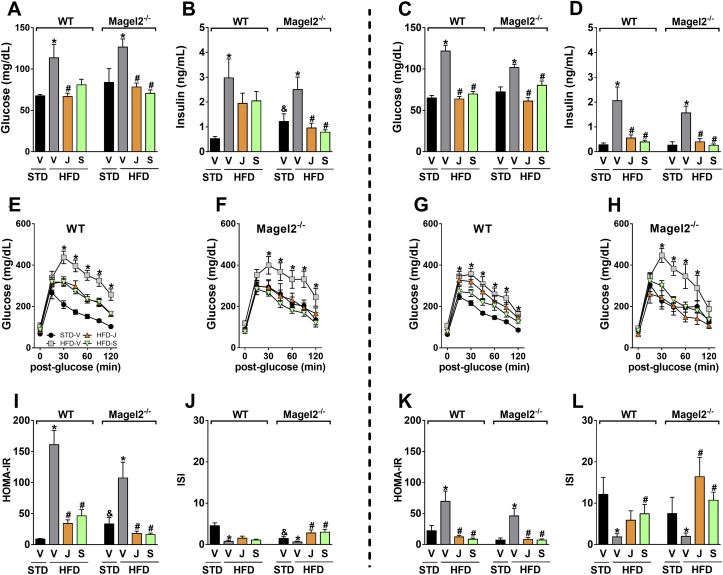
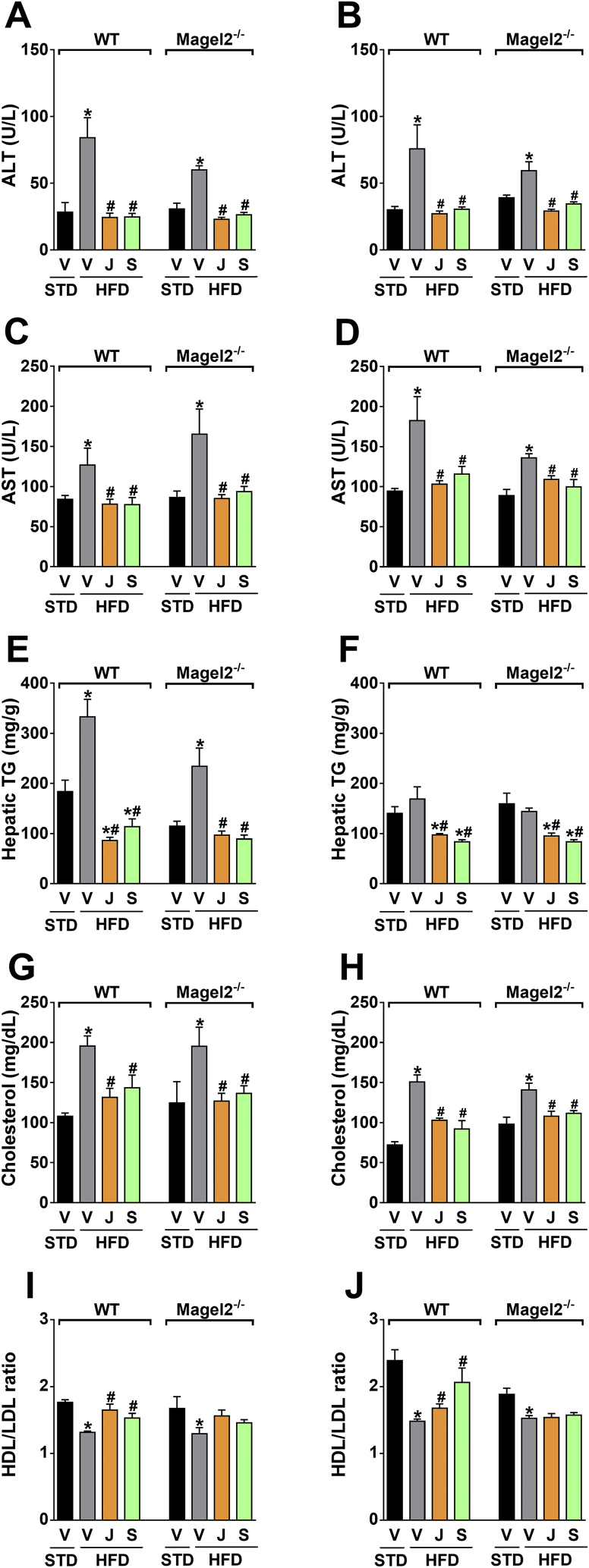
Individuals with PWS had elevated circulating levels of 2-arachidonoylglycerol and its endogenous precursor and breakdown ligand, arachidonic acid. Increased hypothalamic eCB 'tone', manifested by increased eCBs and upregulated CBR, was associated with increased fat mass, reduced energy expenditure, and decreased voluntary activity in -null mice. Daily chronic treatment of obese -null mice and their littermate wild-type controls with JD5037 (3 mg/kg/d for 28 days) reduced body weight, reversed hyperphagia, and improved metabolic parameters related to their obese phenotype.
Dysregulation of the eCB/CBR system may contribute to hyperphagia and obesity in -null mice and in individuals with PWS. Our results demonstrate that treatment with peripherally restricted CBR antagonists may be an effective strategy for the management of severe obesity in PWS.
极度肥胖是 Prader-Willi 综合征(PWS)的核心表型特征。在内众多代谢调节剂中,内源性大麻素(eCB)系统在控制摄食、体重和能量代谢方面起着至关重要的作用,而全球作用的大麻素 1 型受体(CBR)阻断剂可逆转肥胖症,无论是在动物还是人类中。作为首创的 CBR 拮抗剂利莫那班已被证明可有效诱导 PWS 成人减肥。然而,由于其中枢介导的神经精神不良影响,它已不再用于临床。
我们研究了 PWS 患者和 -null 小鼠模型中的 eCB“张力”,该模型重现了 PWS 的主要代谢表型,并确定了外周受限的 CBR 拮抗剂 JD5037 在治疗这些小鼠肥胖症中的疗效。
PWS 患者的循环 2-花生四烯酸甘油和其内源性前体及分解配体花生四烯酸水平升高。下丘脑 eCB“张力”增加,表现为 eCB 增加和 CBR 上调,与肥胖 -null 小鼠的脂肪量增加、能量消耗减少和自愿活动减少有关。肥胖 -null 小鼠及其同窝野生型对照的每日慢性 JD5037(3mg/kg/d 治疗 28 天)治疗可降低体重,逆转过度摄食,并改善与其肥胖表型相关的代谢参数。
eCB/CBR 系统的失调可能导致 -null 小鼠和 PWS 患者的过度摄食和肥胖。我们的结果表明,外周受限的 CBR 拮抗剂治疗可能是治疗 PWS 严重肥胖的有效策略。