Yactayo Sergio, Staples J Erin, Millot Véronique, Cibrelus Laurence, Ramon-Pardo Pilar
Department of Pandemic and Epidemic Diseases, World Health Organization, Geneva, Switzerland.
Division of Vector-Borne Diseases, National Center for Emerging and Zoonotic Infectious Diseases, Centers for Disease Control and Prevention, Fort Collins, Colorado.
J Infect Dis. 2016 Dec 15;214(suppl 5):S441-S445. doi: 10.1093/infdis/jiw390.
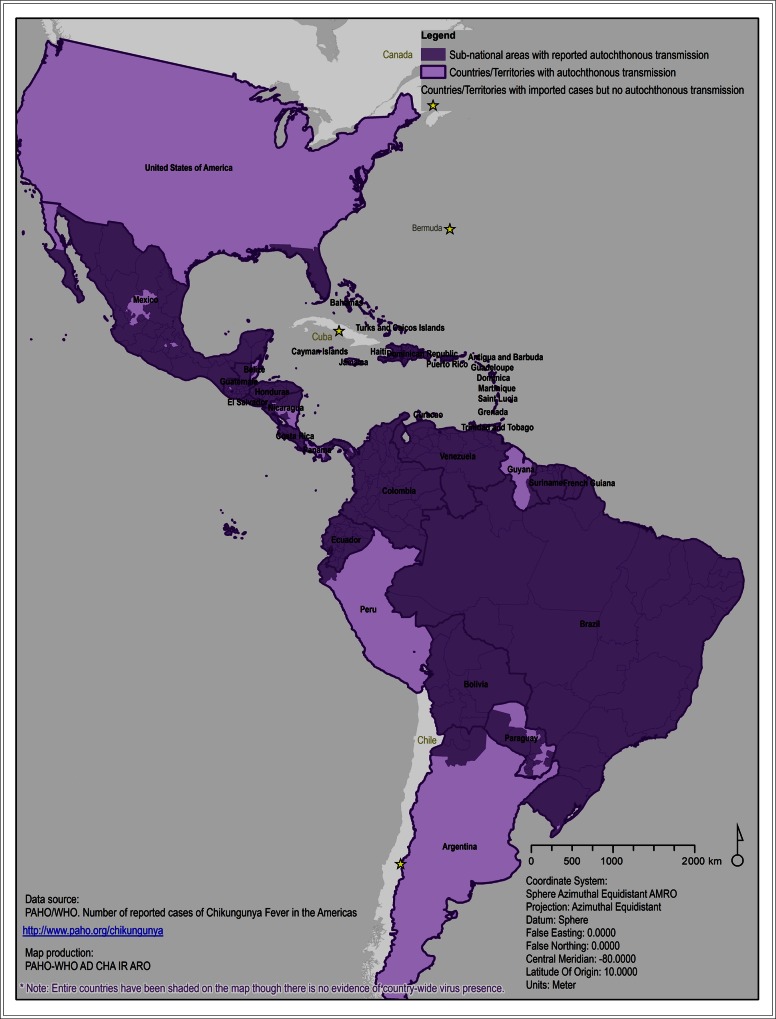
Chikungunya virus (CHIKV) emerged in the Americas in late 2013 to cause substantial acute and chronic morbidity. About 1.1 million cases of chikungunya were reported within a year, including severe cases and deaths. The burden of chikungunya is unclear owing to inadequate disease surveillance and underdiagnosis. Virus evolution, globalization, and climate change may further CHIKV spread. No approved vaccine or antiviral therapeutics exist. Early detection and appropriate management could reduce the burden of severe atypical and chronic arthritic disease. Improved surveillance and risk assessment are needed to mitigate the impact of chikungunya.
基孔肯雅病毒(CHIKV)于2013年末在美洲出现,导致大量急性和慢性发病情况。一年内报告了约110万例基孔肯雅热病例,包括重症病例和死亡病例。由于疾病监测不足和诊断不充分,基孔肯雅热的负担尚不清楚。病毒进化、全球化和气候变化可能会进一步促使基孔肯雅病毒传播。目前尚无获批的疫苗或抗病毒治疗药物。早期检测和适当管理可减轻严重非典型和慢性关节炎疾病的负担。需要加强监测和风险评估,以减轻基孔肯雅热的影响。