Blechacz Boris
Department of Gastroenterology, Hepatology and Nutrition, The University of Texas MD Anderson Cancer Center, Houston, TX, USA.
Gut Liver. 2017 Jan 15;11(1):13-26. doi: 10.5009/gnl15568.
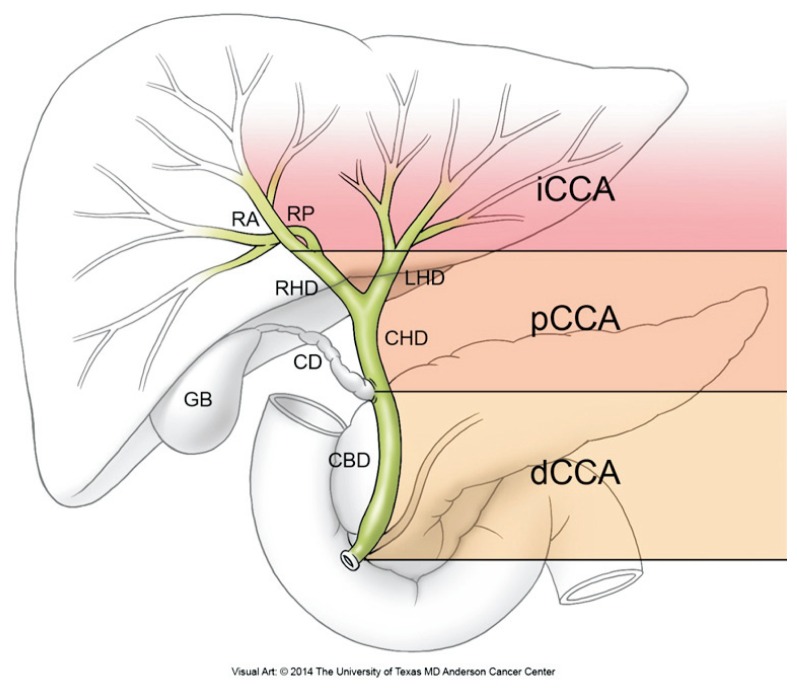
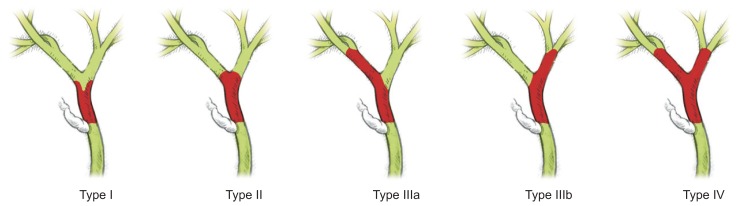
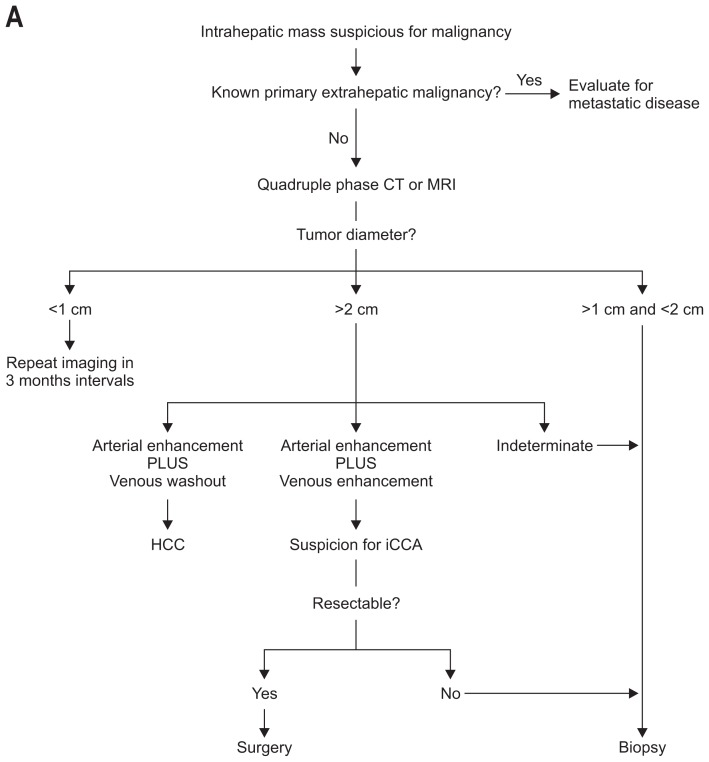
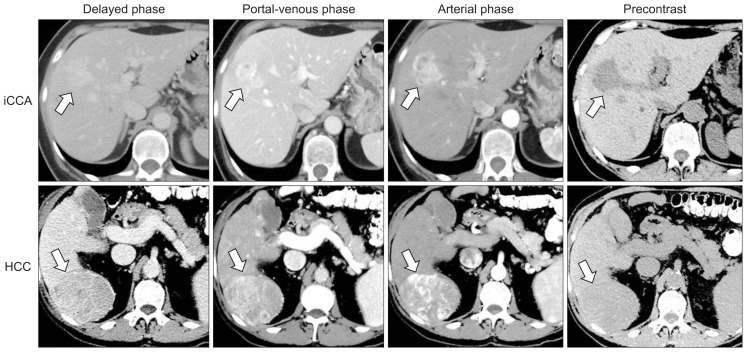
Cholangiocarcinoma (CCA) is the second most common primary malignancy. Although it is more common in Asia, its incidence in Europe and North America has significantly increased in recent decades. The prognosis of CCA is dismal. Surgery is the only potentially curative treatment, but the majority of patients present with advanced stage disease, and recurrence after resection is common. Over the last two decades, our understanding of the molecular biology of this malignancy has increased tremendously, diagnostic techniques have evolved, and novel therapeutic approaches have been established. This review discusses the changing epidemiologic trends and provides an overview of newly identified etiologic risk factors for CCA. Furthermore, the molecular pathogenesis is discussed as well as the influence of etiology and biliary location on the mutational landscape of CCA. This review provides an overview of the diagnostic evaluation of CCA and its staging systems. Finally, new therapeutic options are critically reviewed, and future therapeutic strategies discussed.
胆管癌(CCA)是第二常见的原发性恶性肿瘤。尽管它在亚洲更为常见,但近几十年来,其在欧洲和北美的发病率显著上升。CCA的预后很差。手术是唯一可能治愈的治疗方法,但大多数患者就诊时已处于疾病晚期,切除术后复发很常见。在过去的二十年里,我们对这种恶性肿瘤分子生物学的认识有了极大提高,诊断技术不断发展,新的治疗方法也已确立。本综述讨论了不断变化的流行病学趋势,并概述了新发现的CCA病因危险因素。此外,还讨论了分子发病机制以及病因和胆管位置对CCA突变图谱的影响。本综述概述了CCA的诊断评估及其分期系统。最后,对新的治疗选择进行了批判性回顾,并讨论了未来的治疗策略。